
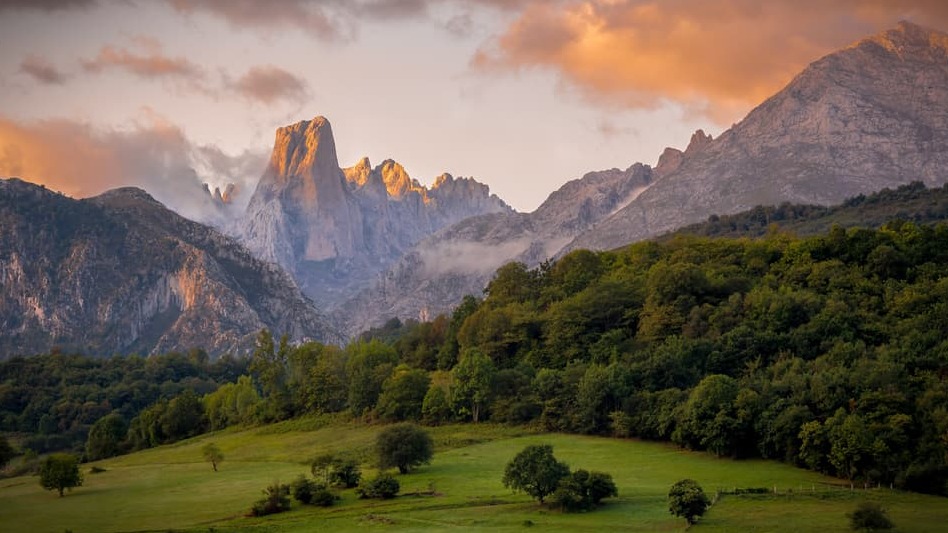

Towering majestically in the heart of the Picos de Europa, the Naranjo de Bulnes (or Picu Urriellu, as it is known in Asturian) is not merely a mountain; it is a symbol of natural beauty and adventure. Rising to a height of 2,518 meters, this limestone giant has captivated climbers and nature enthusiasts alike with its dramatic peaks, breathtaking views, and rich cultural significance. Embarking on a journey to this iconic summit offers not only a physical challenge but also a deep dive into the history, culture, and gastronomy of the surrounding region.
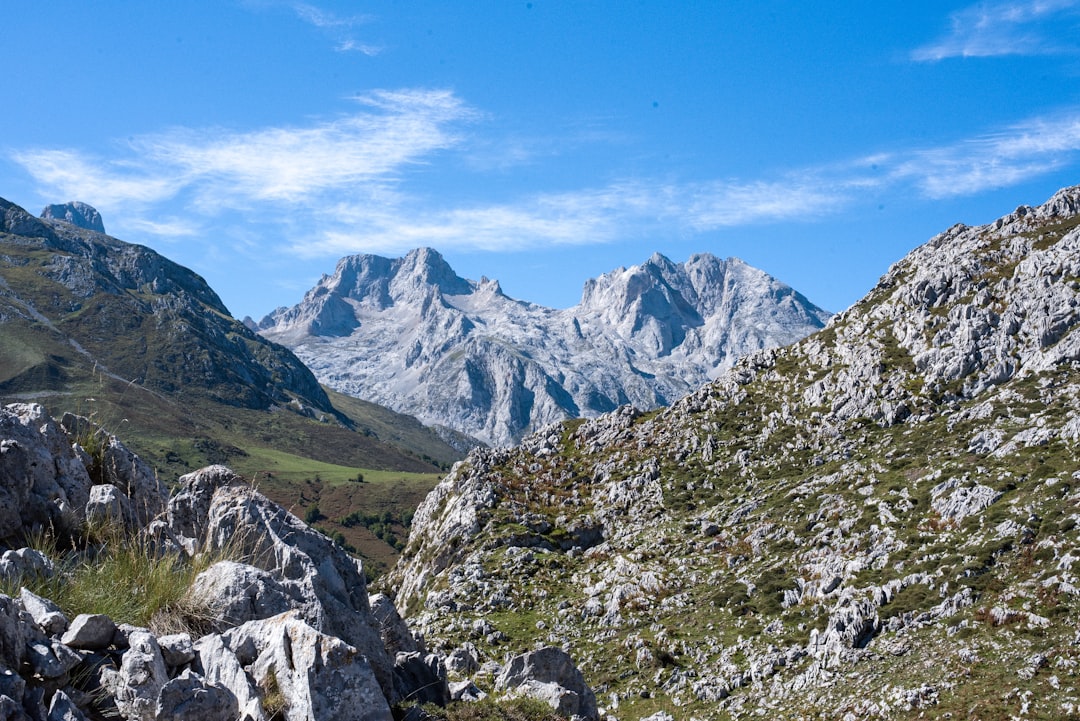
History and Origins The Picos de Europa region, where Naranjo de Bulnes is located, has been a site of human activity since prehistoric times, with evidence of ancient settlements and cave paintings found in nearby caves like Cueva de El Soplao. The area is steeped in legends, one of which speaks of the Asturian hero Pelayo, who is said to have sought refuge in these mountains during the Reconquista. The mountain itself was first climbed in 1904 by the Spanish climber Pedro Pidal, the Marqués de Villaviciosa, and his team, marking the start of its fame as a climbing destination. Since then, it has become a rite of passage for mountaineers from around the world.
Art and Architecture While Naranjo de Bulnes is primarily celebrated for its natural grandeur, the surrounding villages boast remarkable Asturian architecture. Traditional horreos (granaries) dot the landscape, raised on stilts to protect against rodents and moisture. The nearby village of Cangas de Onís features the Roman bridge (Puente Romano), a stunning example of medieval architecture. The art of the region is also expressed through the vibrant local crafts, which include intricately woven textiles and pottery that reflect the traditional Asturian lifestyle.
Local Culture and Traditions The culture surrounding Naranjo de Bulnes is rich and diverse, characterized by deep-rooted traditions that celebrate the rhythms of nature. Fiestas such as La Fiesta de la Ascensión in Cangas de Onís and La Fiesta de la Virgen de Covadonga showcase the local devotion and community spirit. These festivals, often featuring traditional music, dance, and food, draw locals and visitors alike. The Asturians are known for their hospitality, welcoming travelers into their homes and sharing stories of the mountains and their heritage.
Gastronomy No visit to the region would be complete without indulging in its culinary delights. Asturian cider (sidra) is a must-try, typically poured from a height to aerate it. Pair it with a hearty fabada asturiana, a rich bean stew made with Asturian beans, chorizo, and morcilla (blood sausage). For a sweet treat, sample casadielles, a pastry filled with nuts and sugar, often enjoyed during local celebrations. The gastronomy here is not just about taste; it's a reflection of the land's history and culture, with recipes passed down through generations.
Lesser-known Curiosities While many come to Naranjo de Bulnes to conquer its summit, fewer are aware of the folklore that surrounds it. The mountain is often referred to as the “King of the Picos”, symbolizing strength and resilience. Additionally, the peak has been a site for various films and documentaries, showcasing its stunning vistas and climbing challenges. For those who venture off the beaten path, the Cueva de la Cueva de la Peña offers a glimpse into the region's prehistoric past, with fascinating rock art that predates even the mountain's first recorded climbs.
Practical Visitor Information The best time to visit Naranjo de Bulnes is during the late spring and early autumn months, when the weather is milder and the trails more accessible. Summer can get crowded, so plan your visit accordingly. Essential tips include wearing appropriate hiking gear, carrying sufficient water, and being prepared for sudden weather changes. Take the time to explore the base of the mountain, where smaller trails offer stunning views and a chance to connect with the landscape without the strenuous climb.
In conclusion, the Naranjo de Bulnes stands not only as a challenge for climbers but as a testament to the rich cultural tapestry of the Picos de Europa. Whether you seek adventure or a taste of local traditions, this stunning area promises an unforgettable experience. For a personalized itinerary to explore this breathtaking region, consider using the Secret World app to enhance your journey.


