
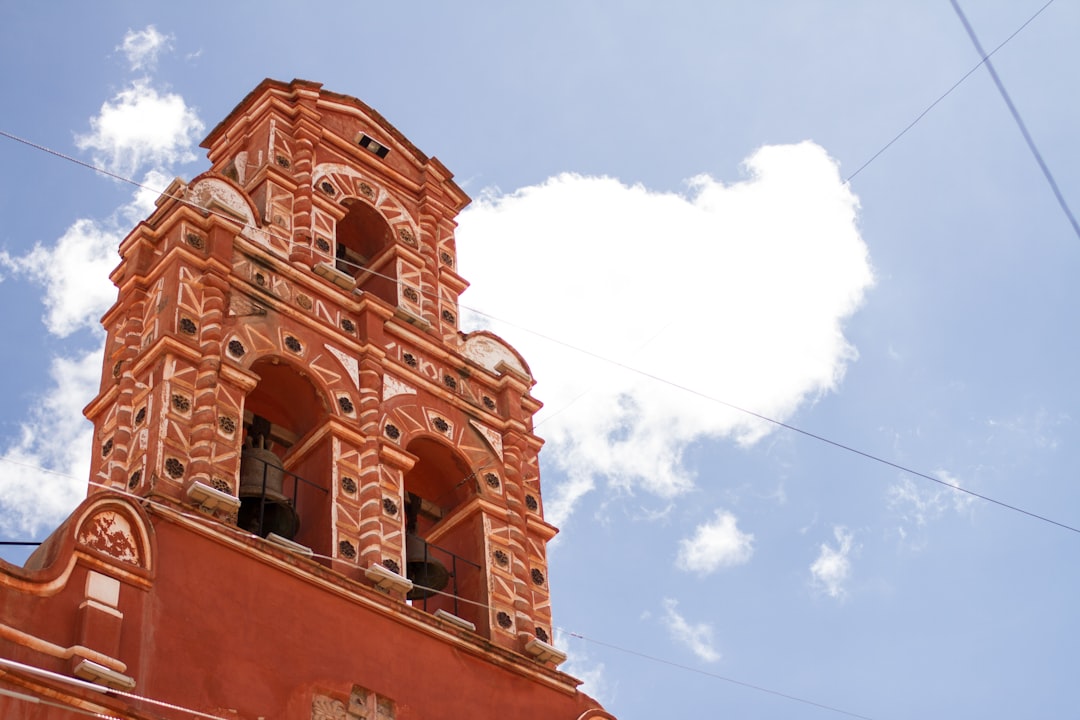

In the heart of the historic city of Potosí, known for its extraordinary altitude and rich cultural heritage, lies the Iglesia de San Agustín. This Catholic church, located at about 4,000 meters above sea level, represents an important testament to the history and spirituality of Bolivia. Its architecture and religious significance make it a must-visit destination for anyone exploring this fascinating city, declared a UNESCO World Heritage Site.
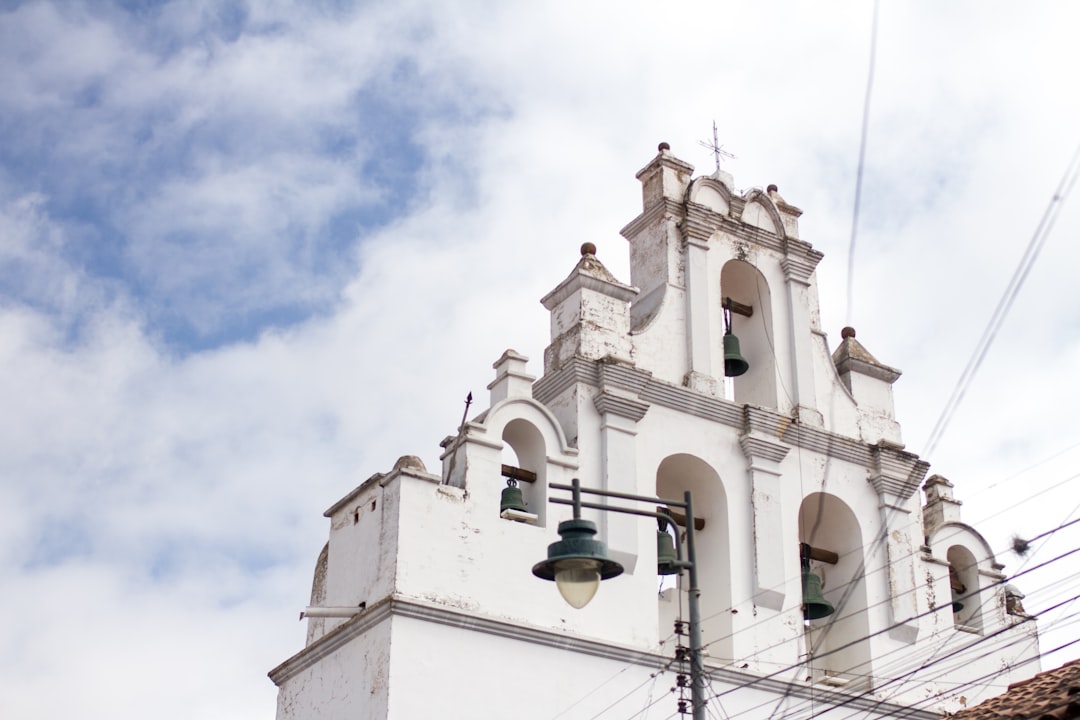
Built in the 17th century, the Iglesia de San Agustín is an example of how Spanish colonial influences intertwined with local traditions, creating a place of worship that captivates with its beauty and history. Potosí, once a hub of mining activity, has seen the rise of numerous churches and monuments, and the Iglesia de San Agustín is undoubtedly one of the most significant.
Historical and Cultural Context
The Iglesia de San Agustín is set within a rich and complex historical context. Its construction dates back to the colonial period when Potosí was one of the wealthiest cities in the world due to the silver mines of Cerro Rico. The church was erected by the community of believers and reflects the importance of religion in the daily lives of the inhabitants. This place of worship is not only a symbol of faith but also a silent witness to the social and economic transformations that have characterized the city over the centuries.
The church features architectural elements that combine Spanish Baroque style with local influences, creating a unique atmosphere. Its facade, while simple, conveys a sense of grandeur and solemnity. Potosí, with its narrow streets and sumptuous colonial mansions, provides a fascinating backdrop for a place of worship that has witnessed generations of believers and visitors.


