
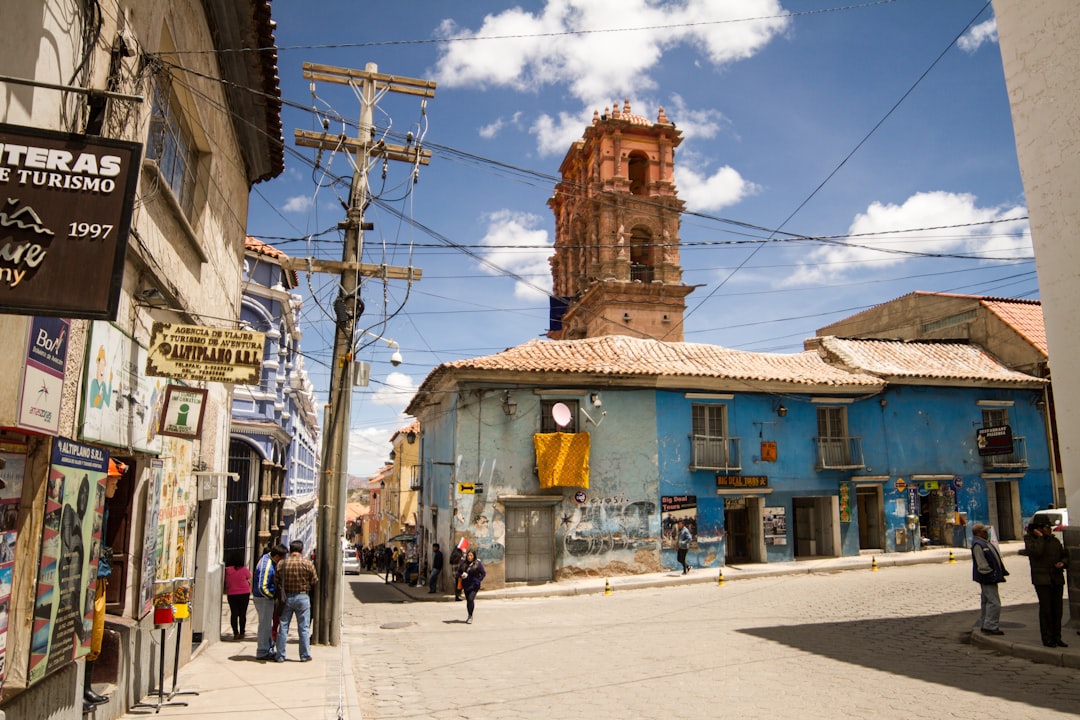

In the heart of Bolivia, at nearly 4,000 meters above sea level, lies Potosí, one of the highest cities in the world and a true treasure trove of history and culture. Among its numerous architectural gems, the Iglesia de Santo Domingo stands out, a place of worship that not only captivates with its beauty but also with its profound historical significance. The city, declared a UNESCO World Heritage Site, is an extraordinary example of how colonial culture has fused with local traditions, creating a unique and evocative atmosphere.

The Iglesia de Santo Domingo, with its architectural elegance and rich decorative details, is a symbol of the spirituality and history of Potosí. Built during a period of great economic prosperity, it reflects the importance that religion has held for the local community, serving as both a spiritual and cultural landmark for its inhabitants.
Historical and Cultural Context

The history of Potosí is intrinsically linked to mining, particularly silver, which made the city one of the richest in the world in the 16th century. The Iglesia de Santo Domingo is a witness to this period of opulence, when mining resources allowed for the construction of magnificent religious and civic buildings. The church, located in one of the oldest areas of the city, represents an important example of colonial architecture, with elements that recall both Spanish and local influences.
Today, the Iglesia de Santo Domingo is not only a place of worship but also a cultural center where events and celebrations take place that unite the community. Its privileged location allows visitors to immerse themselves in the daily life of the people of Potosí, offering an authentic glimpse into Bolivian culture. The presence of numerous tourists has helped keep the tradition alive, making the church an important landmark for those wishing to better understand the history of Potosí.


