
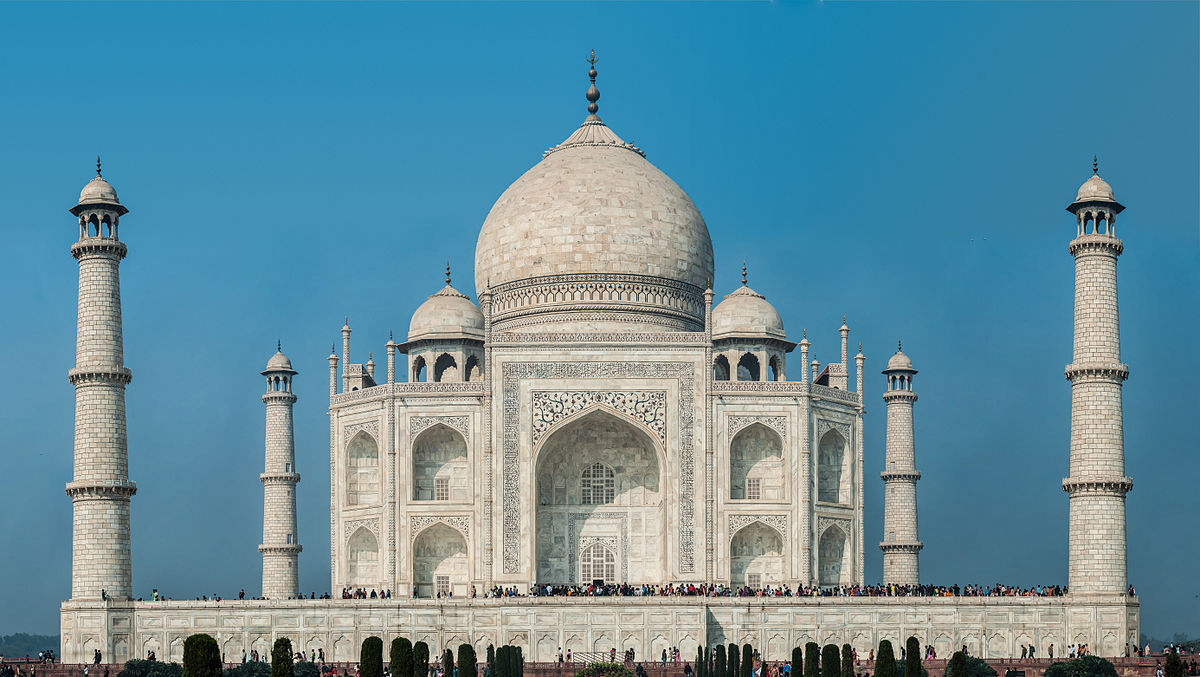

In the heart of Agra, the Taj Mahal stands as a testament to eternal love, its splendor captivating millions. The white marble mausoleum, constructed by Shah Jahan in memory of his beloved wife, Mumtaz Mahal, has enchanted visitors since its completion in 1653. As you approach this architectural masterpiece, the soft morning mist envelops its domes, creating an ethereal atmosphere that transforms the monument into a vision of dreams.
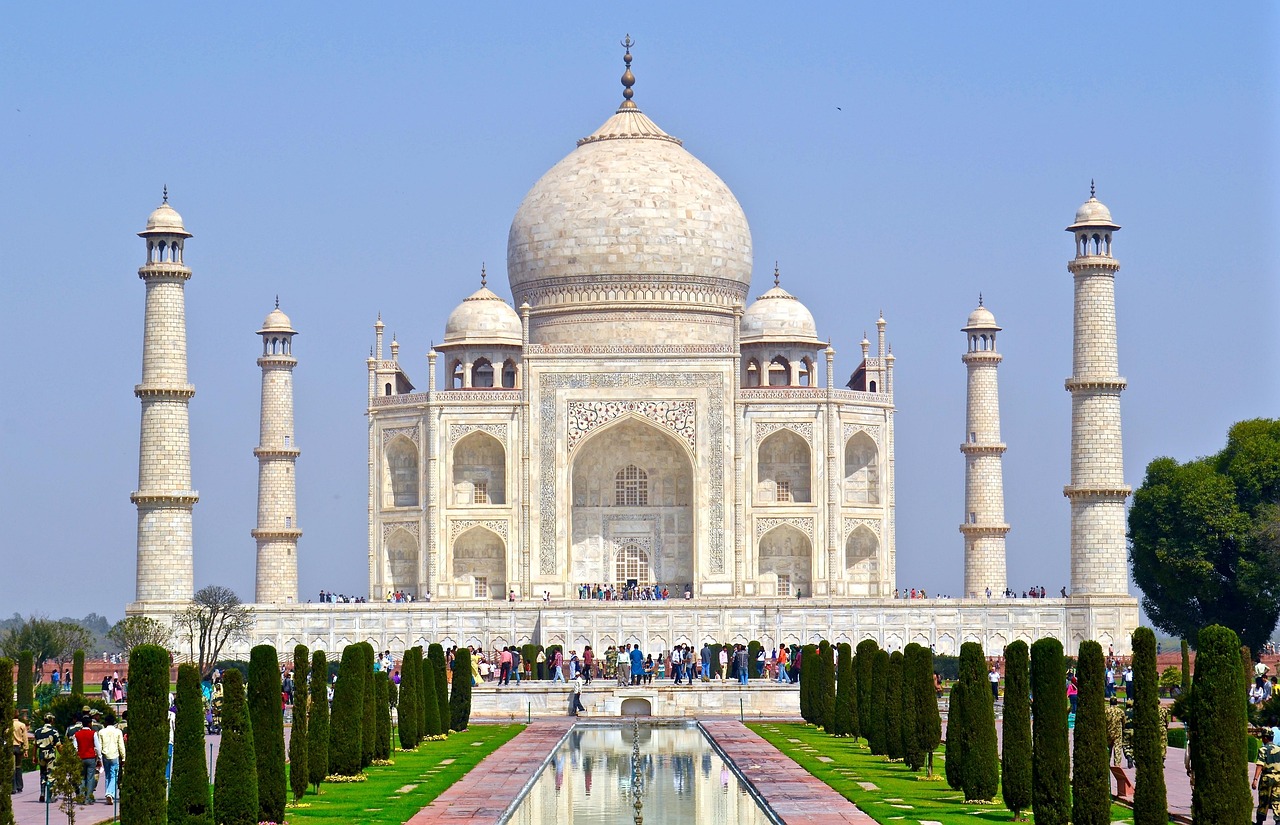
The Taj Mahal is not just a symbol of love but also a remarkable feat of engineering and design. Its construction began in 1632, and it took nearly 22 years to complete. With influences from Persian, Islamic, and Indian architectural styles, the structure features a harmonious blend of intricate gardens, reflecting pools, and majestic gateways. The central dome, soaring at 73 meters, is flanked by four minarets, each standing at 40 meters tall, creating a balanced and symmetrical appearance. The exterior, adorned with exquisite inlay work of precious stones like lapis lazuli, jade, and pearl, narrates tales of artistry and craftsmanship from the era.
The Taj Mahal is not merely a tourist attraction; it is deeply rooted in local culture and traditions. Every year, on the night of the full moon, locals and visitors alike gather to witness the enchanting sight of the monument bathed in moonlight, a practice that has become a cherished tradition. Additionally, the surrounding Taj Ganj area is alive with vibrant bazaars and street vendors, offering a glimpse into the everyday life of Agra. Festivals such as Eid and Diwali attract crowds, where the celebration of lights and joy resonates throughout the city.
When it comes to gastronomy, Agra is famous for its culinary delights. The city is known for its Petha, a translucent sweet made from ash gourd, which has been a local specialty since the Mughal era. Another must-try dish is Mughlai cuisine, featuring rich biryanis and succulent kebabs that reflect the royal dining traditions of the Mughal emperors. Pair these dishes with a refreshing glass of lassi, a yogurt-based drink, to complete your culinary experience.
For the curious traveler, the Taj Mahal holds many lesser-known stories. Did you know that the monument was originally intended to be built in black marble across the river as a mausoleum for Shah Jahan himself? While this vision was never realized, it speaks to the grandeur and ambition behind the Taj Mahal. Furthermore, the intricate carvings on the marble are designed to create the illusion of depth and perspective, showcasing the advanced techniques of the craftsmen who worked on the site.
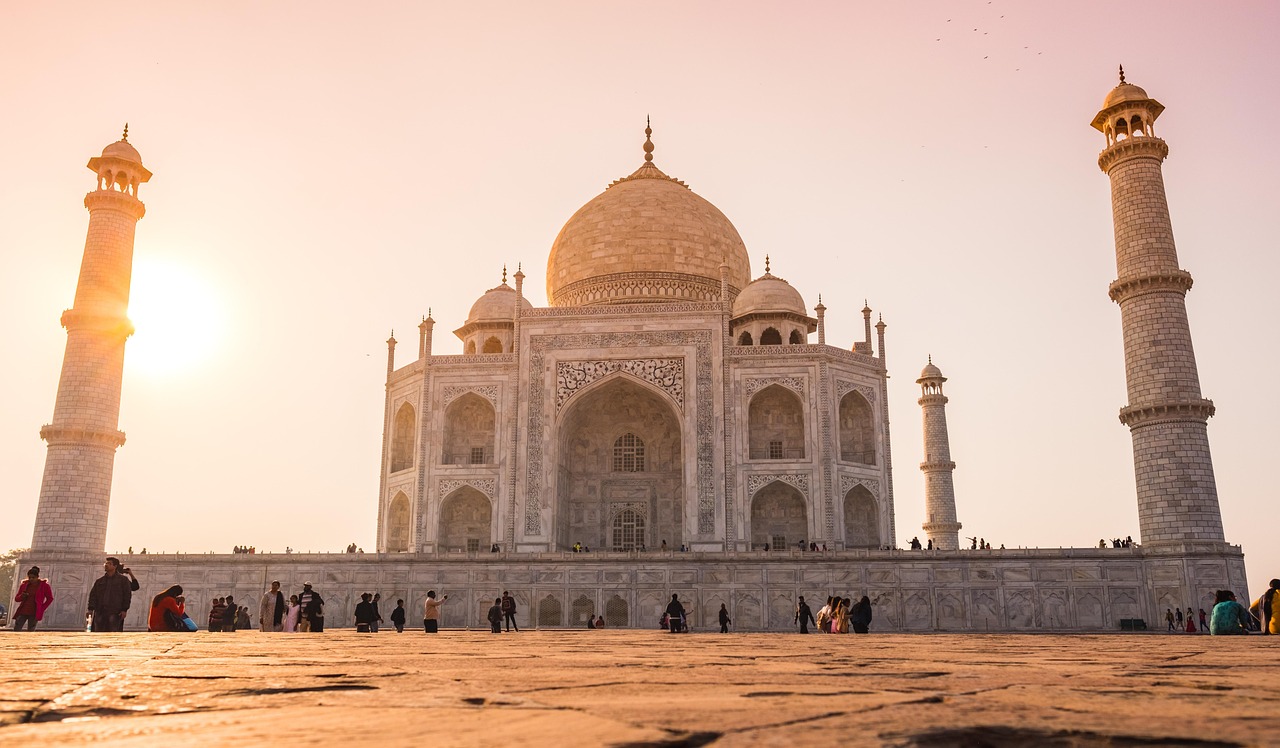
When planning your visit, the best time to experience the Taj Mahal is during the cooler months from October to March. Arriving at dawn allows you to witness the majestic sunrise illuminating the marble, casting a breathtaking glow. Be sure to explore the lush Mughal Gardens surrounding the monument, where you can enjoy a serene escape amidst the hustle and bustle of Agra.
For an immersive experience, take the time to visit the Taj Museum, located within the complex, which showcases artifacts and historical accounts of the monument's construction. Don’t forget to capture the iconic view from the reflecting pool, where the Taj Mahal is perfectly mirrored, creating an enchanting sight.
As you walk through this enchanting site, let the story of Shah Jahan and Mumtaz Mahal resonate with you, reminding us of the timeless power of love and memory. The Taj Mahal is more than a monument; it is a journey into a world where beauty, history, and emotion converge.
To make the most of your trip to Agra, consider using the Secret World app to craft a personalized itinerary that highlights your interests.


