
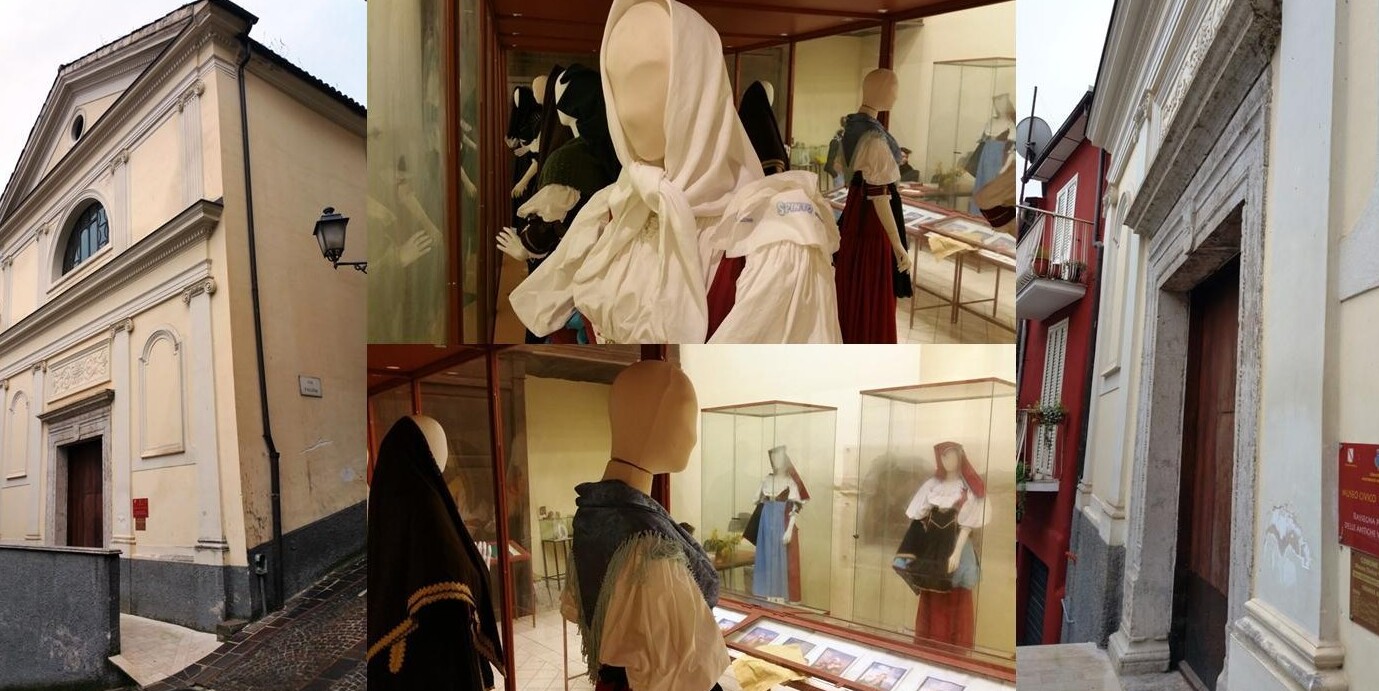

Nestled in the heart of Polla, Italy, the Insteia Polla Civic Museum stands as a testament to the town's rich heritage and cultural identity. This remarkable institution is not just a museum; it is a treasure trove of the local community's history, showcasing the evolution of traditional clothing that has defined the region for centuries.

History and Origins
Polla's history stretches back to ancient times, with roots that intertwine with the Roman Empire. Originally known as "Pollae", it was strategically located along the ancient Roman roads, facilitating trade and cultural exchange. Over the centuries, Polla evolved, witnessing key historical events, including the arrival of the Lombards and the establishment of various feudal lordships. The town's historical tapestry is deeply woven with stories of resilience and transformation, which have shaped its identity.
The Civic Museum, housed in the deconsecrated Chapel of Santa Maria la Scala, adds another layer to Polla's historical narrative. This chapel, once a place of worship, has been repurposed to celebrate the town’s traditions, particularly through its permanent exhibition of ancient clothes. This collection meticulously illustrates the evolution of local women's attire from the nineteenth to the twentieth century, emphasizing the cultural significance of clothing in the lives of Polla’s women.
Art and Architecture
The architecture of the chapel itself is a stunning example of Baroque style, featuring intricate details that reflect the artistry of its time. While the chapel is no longer a place of worship, its stunning frescoes and ornate altar continue to captivate visitors. Within this historical context, the displays of traditional garments become works of art in their own right.
The exhibition features thirteen meticulously crafted dresses, each one a representation of the local craftsmanship and artistry. The garments, sewn by Mrs. Teresa Sorrentino Marcigliano, highlight the skills passed down through generations, showcasing the work of her mentors, Luigia Forte Sorrentino and Teresa Amen. Each dress tells a story, marked by specific occasions such as festivities, daily wear, and solemn rituals, providing a vivid insight into the lives of the women who wore them.
Local Culture and Traditions
Polla is rich in local customs and traditions. The traditional costume for women, characterized by vibrant colors and specific designs, is a source of pride for the town. These garments were not merely clothing; they represented community identity, social status, and cultural heritage. Events such as local festivals and processions see these costumes brought to life, as residents don them to celebrate their history with pride.
One of the most notable events is the Feast of San Giovanni Battista, held annually in June, where the community gathers to honor their patron saint with processions, music, and traditional cuisine. This festival encapsulates the essence of Polla’s community spirit, with the traditional costumes playing a central role.
Gastronomy
No exploration of Polla is complete without indulging in its culinary delights. The region is known for its delicious local dishes that reflect its agrarian roots. Signature items include 'cavatelli', a type of pasta often served with rich tomato sauce or sautéed greens, and 'capicollo', a cured meat that is a staple at local festivities. The use of fresh, local ingredients ensures that each dish bursts with flavor, inviting visitors to experience the true essence of Polla.
Pair these dishes with a glass of local red wine, particularly Aglianico, which complements the rich flavors of the regional cuisine. Dining in Polla is not just a meal; it’s an experience steeped in tradition and community.
Lesser-Known Curiosities
While many visitors flock to the popular sites, some lesser-known aspects of Polla are often overlooked. For instance, the museum's exhibition includes garments that once belonged to notable local figures, revealing their stories and contributions to the community. Additionally, the meticulous craftsmanship of the dresses often goes unnoticed; the intricate embroidery and specific patterns symbolize various aspects of local folklore, adding depth to the garments beyond their aesthetic appeal.
Visitors might be surprised to learn about the museum’s commitment to preserving not only clothing but also the stories behind them. Interactive displays and occasional workshops allow guests to engage with the traditions firsthand, fostering a deeper appreciation for the local culture.
Practical Visitor Information
The best time to visit the Insteia Polla Civic Museum is during the spring and early autumn months when the weather is mild and conducive for exploring the charming town and its surroundings. Mornings are particularly tranquil, offering an intimate experience with the exhibits before the crowds arrive.
When planning your visit, don't miss the opportunity to interact with local artisans, who sometimes demonstrate traditional sewing techniques. Be sure to take a moment to appreciate the chapel's architecture, as well as the serene atmosphere that envelops the museum.
Whether you’re a history buff, a fashion enthusiast, or simply a curious traveler, the Insteia Polla Civic Museum provides a captivating glimpse into the heart of Polla’s cultural legacy. To enhance your journey through this enchanting town, consider using the Secret World app to craft a personalized itinerary that suits your interests.


