
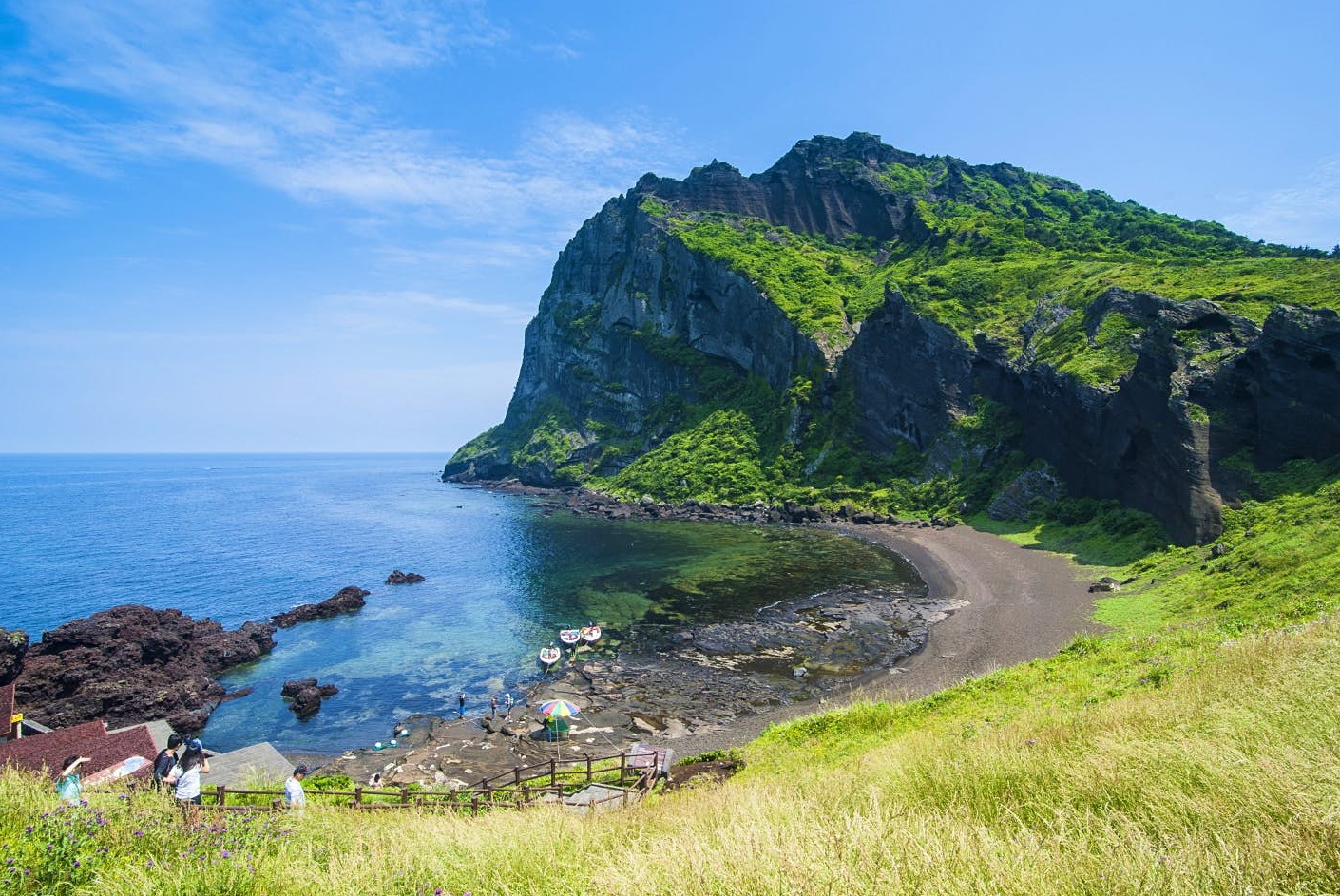

Jeju Island, a volcanic paradise off the southern coast of South Korea, is a tapestry of history, art, and gastronomy. Known for its striking landscapes, the island hosts the Jeju Volcanic Island and Lava Tubes, a UNESCO World Heritage site that includes the majestic Mount Hallasan, the highest peak in South Korea, and the extensive Geomunoreum lava system. Jeju's rich history dates back to ancient times when it was known as Tamna, a kingdom that flourished between the 1st century BCE and the 10th century CE, serving as a crucial trade route between the Korean Peninsula and Japan. This era saw the establishment of a unique culture that still resonates today, deeply rooted in Shamanistic beliefs and Buddhism. Key historical events, like the Japanese occupation from 1910 to 1945, shaped the island’s identity, leaving a complex legacy that influences its modern culture. The architecture of Jeju Island reflects its historical journey, with traditional stone houses known as Dol hareubang, which are statues of fertility carved from volcanic rock, dotting the landscape. These iconic figures symbolize protection and good fortune, showcasing the island's deep spiritual connection to its volcanic origins. Notable artworks by local artisans are often displayed in various galleries in Seogwipo, emphasizing the island's continued commitment to the arts. Local customs and traditions are vibrant, with festivals like the Jeju Fire Festival, held every March, celebrating the island's agricultural heritage through traditional fire rituals. Visitors can experience the Haenyeo, female divers who harvest seafood using free-diving techniques, a practice recognized by UNESCO as an Intangible Cultural Heritage. The culinary scene in Jeju is equally vibrant, characterized by fresh seafood, black pork, and the renowned Jeju tangerines. Local dishes such as grilled mackerel and abundant seafood stews offer an authentic taste of the island's bountiful waters. The island's unique volcanic soil contributes to the exceptional quality of its produce, especially the tangerines, which are a must-try for any visitor. For those looking for lesser-known curiosities, Jeju Island is home to Cheonjiyeon Waterfall, whose name means


