
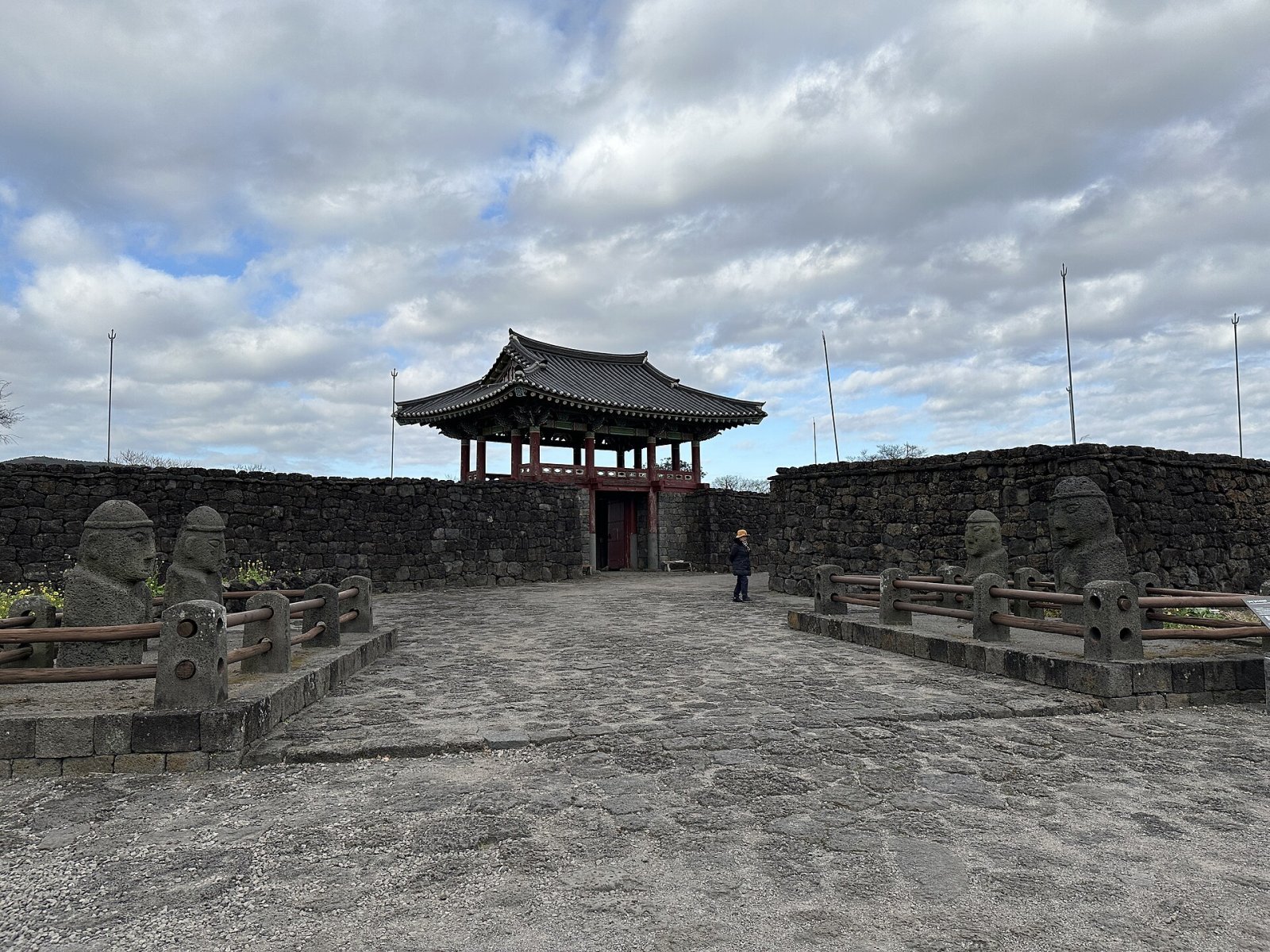

In the heart of Jeju Island, South Korea, lies Seongeup Folk Village, an authentic traditional village that encapsulates centuries of history and culture. This place, continuously inhabited for about 600 years, offers visitors a unique opportunity to immerse themselves in the past, exploring the architectural features and traditions of pre-modern Korea.

The village, located in Seogwipo, has been preserved in a state that reflects its traditional form, making it a national cultural heritage. Its streets, lined with hanok, the typical Korean houses, tell stories of a simple and authentic life, far from the chaos of modern cities.
History and Origins

Seongeup Folk Village has origins dating back to the Joseon period and functioned as an administrative center from 1423, during the reign of King Sejong the Great. This village was not only a place of residence but also a hub of social and political life, with about 1,500 families living there in the past. However, its decline began in the 1930s when its influence started to fade.
The village's history is marked by significant events, including devastating fires in 1826 and 1948 that destroyed numerous buildings. Despite these calamities, some structures have survived and today offer a glimpse into the daily life of the past, making the village an important site for the preservation of Korean culture.
Elements to Observe
One of the main attractions of Seongeup Folk Village is its traditional architecture. The hanok, with their curved roofs and stone walls, are designed according to the principles of harmony with nature and the surrounding environment. Within the village, you can also admire two trees that have been declared natural monuments of South Korea, symbols of a history intertwined with that of the land.
Every corner of the village tells stories of daily life, with exhibits showcasing ancient crafts and traditions. Walking through the cobblestone streets, you can notice various tools used for agriculture and fishing, elements that highlight the importance of rural life in Korean culture.
Why It Is Interesting Today
Today, Seongeup Folk Village is not only a place of historical interest but also a center for learning and discovery for visitors. Its authenticity and charm attract tourists from all over the world, eager to explore a bygone era and gain a better understanding of the roots of Korean culture. Cultural activities and demonstrations of traditional crafts offer an interactive experience, allowing visitors to fully immerse themselves in village life.
Moreover, the natural beauty surrounding the village, with its hills and breathtaking views, makes Seongeup Folk Village an ideal destination for those seeking a travel experience that combines culture, history, and nature. Photography enthusiasts will find countless opportunities to capture the beauty of Korean tradition in this place.
Practical Information for Visitors
To visit Seongeup Folk Village, it is advisable to plan a full day, so you have time to explore every corner and participate in the various activities offered. The village is easily accessible from Seogwipo, and there are several public transport options available. It is important to remember that the village is a place of respect and culture, so it is advisable to observe local norms during your visit.
Finally, for an even more enriching experience, it is recommended to download the Secret World app, which provides detailed information and curiosities about the places to visit, thus facilitating the discovery of the wonders of Seongeup Folk Village.


