
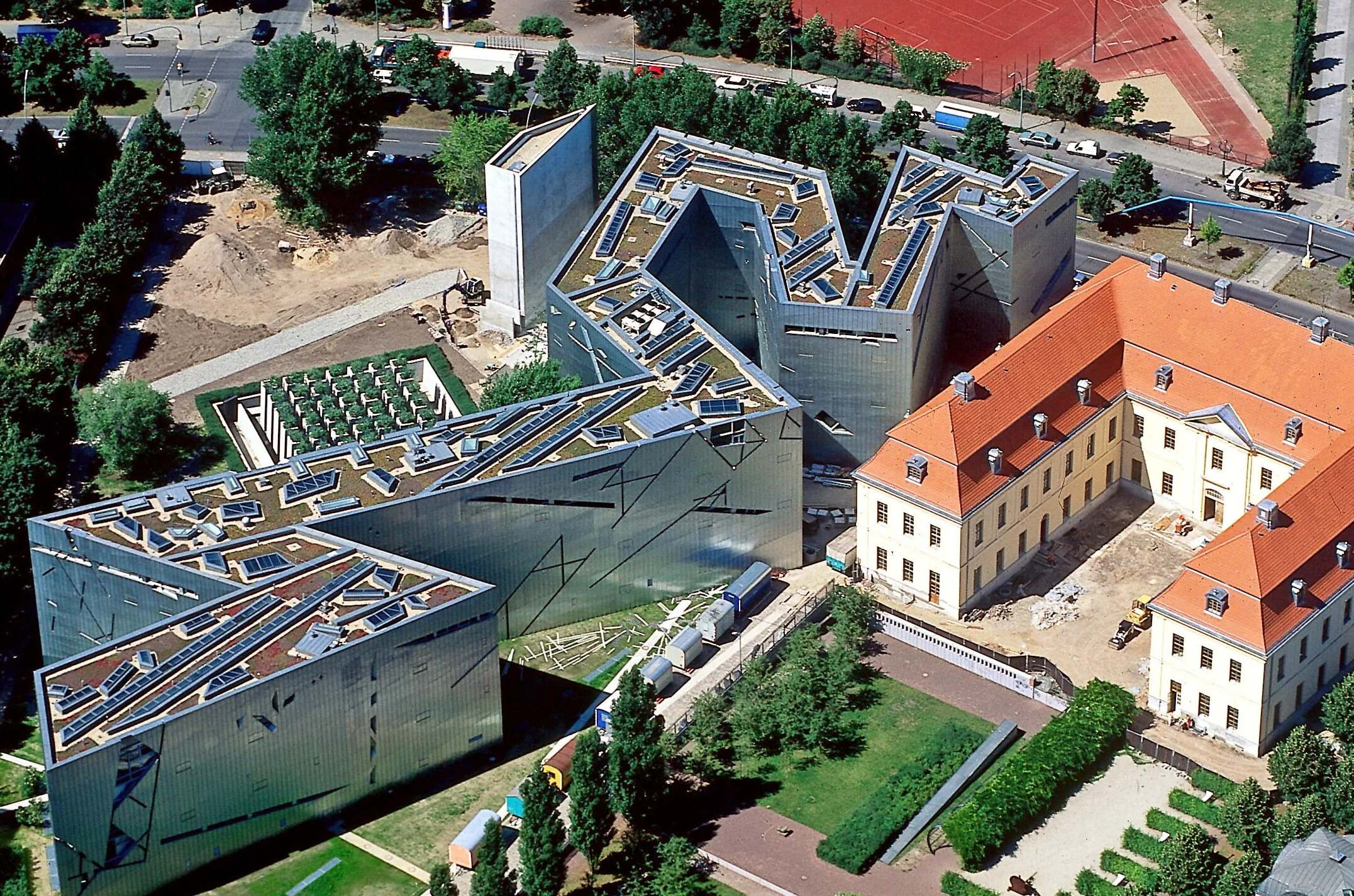

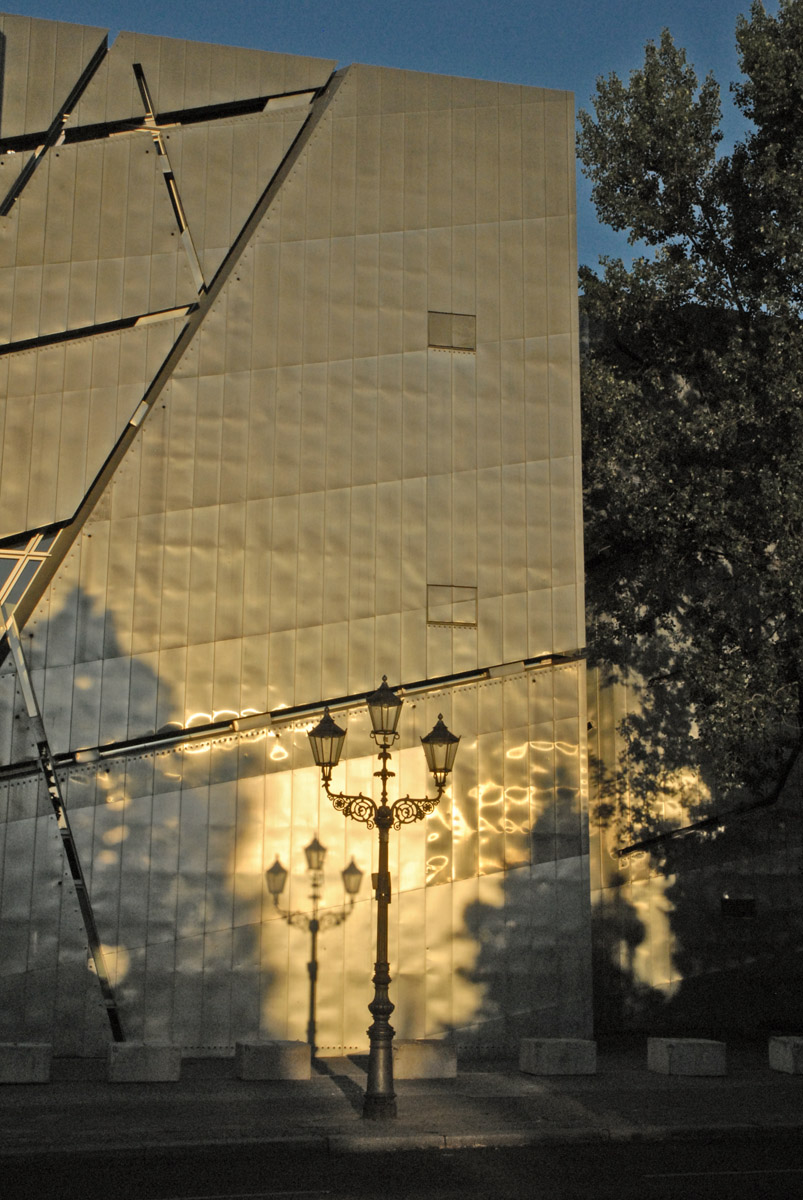
Stepping into the Jewish Museum Berlin is like opening a profound chapter in the narrative of German history. This museum, located on Lindenstrasse in the heart of Berlin, is a poignant reminder of the rich, yet tumultuous history of the Jewish community in Germany. Opened in 2001, the museum complex seamlessly blends an old baroque building with a striking modern addition designed by the Polish-American architect Daniel Libeskind. Libeskind’s architectural vision is remarkable; his building is characterized by a zigzagging form clad in a titanium-zinc facade that intrigues and disorients visitors from the very first glance. The design includes angled walls, underground axes, and stark, bare concrete voids that evoke feelings of insecurity and disorientation—reflecting the complex history it aims to convey. Libeskind aptly referred to his creation as “Between the Lines,” emphasizing the multifaceted narrative of Jewish life in Germany.
The origins of the Jewish presence in Berlin date back to the late 17th century, with the first significant Jewish community established under the reign of Elector Friedrich III. The community flourished, contributing to various aspects of cultural, economic, and political life in the city. However, the rise of Nazism in the 1930s led to the tragic persecution and extermination of millions during the Holocaust. The museum was conceived as a space for remembrance and education, capturing the painful history and the profound contributions of the Jewish community.
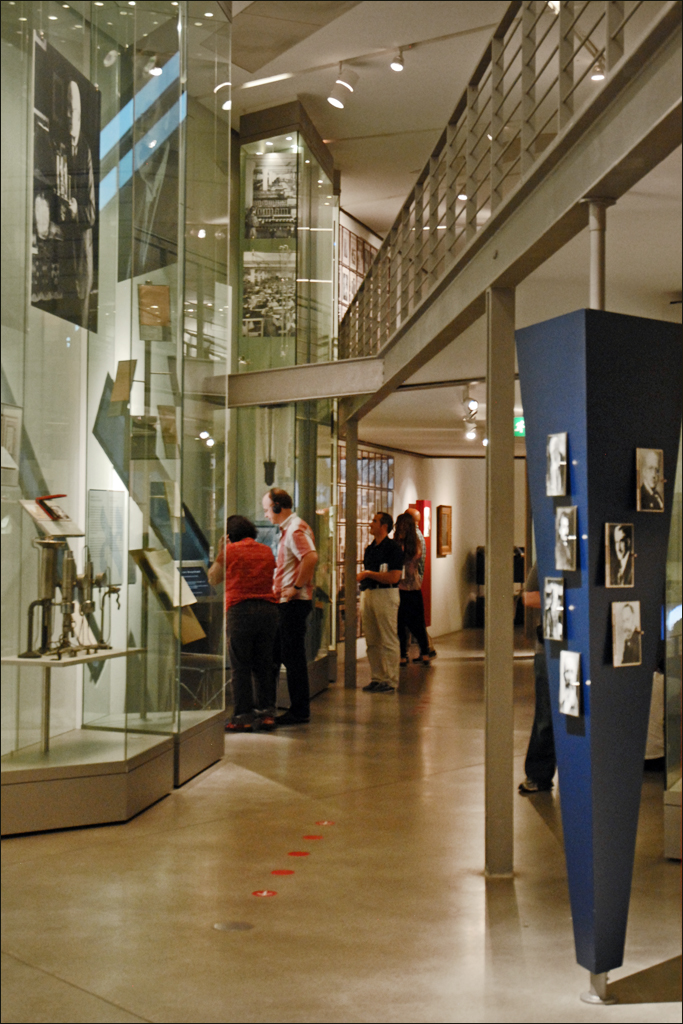
Architecturally, the Jewish Museum Berlin stands as a masterpiece of contemporary design. The zigzag form of the building is not just visually striking; it symbolizes the disruption of Jewish life in Germany. Inside, the layout is intentionally disorienting, with corridors that lead to voids—spaces devoid of objects that represent the absence of lives lost during the Holocaust. The museum houses a vast collection of over 25,000 artifacts, including ceremonial objects, photographs, and personal stories that breathe life into the historical narrative.
One cannot overlook the profound impact of local culture and traditions that the museum strives to preserve. Each year, the museum hosts events that celebrate Jewish culture, from Yom Kippur observances to Hanukkah festivities. The annual Jewish Film Festival in Berlin showcases films that explore Jewish identity, history, and the contemporary experience, allowing for a deeper understanding of the cultural significance of Jewish heritage in the city.
When it comes to gastronomy, Berlin offers a delightful representation of Jewish culinary traditions. The famed Berliner Pfannkuchen (jelly-filled doughnuts) are particularly popular during Hanukkah, representing the miracle of oil. Another iconic dish is Matzo Ball Soup, a comforting bowl of chicken broth filled with fluffy matzo balls, often enjoyed during Passover. The museum’s café occasionally features special menus during Jewish holidays, allowing visitors to experience authentic flavors intertwined with history.
Among the lesser-known curiosities of the Jewish Museum Berlin is the Garden of Exile, an artistic installation designed by Libeskind. This outdoor space features 49 concrete pillars set at varying heights, representing the 49 years that the Jewish people wandered in the desert after the Exodus. The garden evokes a profound sense of contemplation and serves as a metaphor for displacement and longing.
Another hidden gem is the museum’s permanent exhibition, which is not only educational but also deeply moving. The Holocaust Tower, a stark concrete space devoid of light, creates an atmosphere of solitude and reflection, allowing visitors to confront the weight of history in a visceral way.
For those planning a visit, the best time to explore the Jewish Museum Berlin is during the spring or autumn months when the weather is pleasant, and the tourist crowds are smaller. It is advisable to purchase tickets online in advance, especially during weekends or holiday seasons. Be sure to allocate ample time to explore the museum's exhibitions, as the narratives unfold in layers, each revealing new insights into the Jewish experience.
As you wander through the halls of the Jewish Museum Berlin, allow yourself to be immersed in the stories of resilience, loss, and cultural richness. The journey through this museum is not just a visit; it’s a deeply human experience that highlights the importance of memory and understanding in shaping our future. For a tailored exploration of Berlin's rich offerings, consider using the Secret World app to plan your personalized itinerary effortlessly.


