
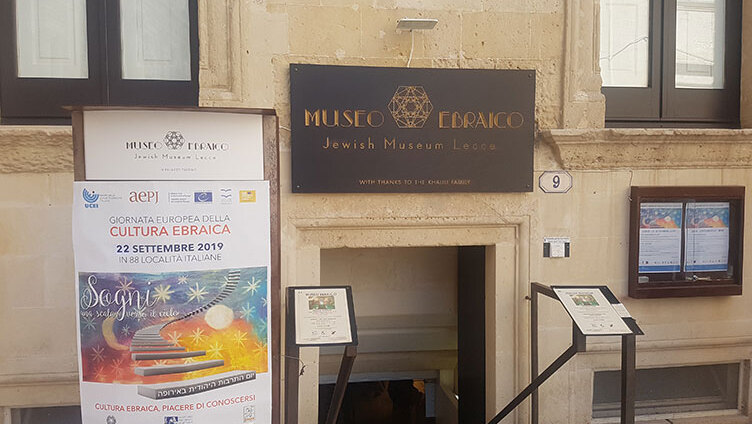

Nestled within the enchanting streets of Lecce, the Jewish Museum of Lecce offers visitors a profound glimpse into the historical tapestry of Jewish life in this southern Italian city. Housed in a striking medieval building that showcases elements of late Renaissance and Baroque architecture, the museum occupies a site that once hosted the city’s 15th-century synagogue. This location lies at the heart of the ancient Jewish quarter, a place where stories of resilience, faith, and cultural exchange converge.
The history of Jews in Lecce dates back to the Middle Ages, with records indicating a vibrant community engaged in trade and scholarship. The 15th century marked a significant chapter, with the establishment of a synagogue that served as a spiritual and communal hub. However, the Inquisition and subsequent expulsion of Jews in the late 16th century led to a gradual decline in their presence. The remnants of this rich heritage have been meticulously preserved, inviting visitors to trace the footsteps of Jewish life from its medieval origins to the present day.
The museum itself is a treasure trove of artifacts that illuminate the rituals and daily lives of the Jewish community. Among the most captivating displays are the mikva'ot—ritual baths that reflect the depth of Jewish religious practices. These basins, likely used for ablutions, provide insight into the importance of purity in Jewish tradition. Visitors can also observe the doorframe that once housed a mezuzah, a small parchment scroll inscribed with verses from the Torah, symbolizing faith and protection. Furthermore, the remains of the church building that now stands where the synagogue once thrived serve as a poignant reminder of the complex interfaith dialogues that characterized Lecce’s history.
Architecturally, the museum is a standout example of Baroque design. The interplay of light and shadow within the building showcases intricate details, from ornate doorways to decorative frescoes that whisper tales of the past. The artistic significance of the museum is further enhanced by its exhibitions, which often feature contemporary artworks that explore themes of identity, memory, and coexistence. This blend of old and new allows visitors to appreciate the ongoing dialogue between history and modernity.
Lecce is not only a repository of Jewish history but also a vibrant cultural hub. Local customs reflect a blend of influences, with festivals celebrating both religious and secular traditions. One notable event is the Festa di Sant'Oronzo, the city's patron saint, which takes place every August. While predominantly Christian, this festival is a testament to Lecce's spirit of inclusivity, as it draws participation from various communities. The legacy of Jewish culture also influences local traditions, particularly in culinary practices, where recipes passed down through generations tell stories of resilience and adaptation.
Speaking of culinary delights, the gastronomy of Lecce is a feast for the senses. Puglia is renowned for its rich flavors, and the Jewish influence is evident in dishes such as orecchiette pasta, often served with broccoli rabe and anchovies, reflecting the region's agricultural bounty. Another local specialty is pasticciotto, a custard-filled pastry that has become a beloved treat across Italy. While enjoying these delicacies, one may also encounter halva, a sweet treat made from sesame paste, which echoes the Jewish culinary tradition. Pair these dishes with a glass of Primitivo, a robust red wine that embodies the spirit of Puglia's vineyards.
For those seeking lesser-known curiosities, the museum offers hidden gems that often go unnoticed. One intriguing detail is the Jewish cemetery located just outside the city, where ancient gravestones tell the stories of individuals who lived and thrived in Lecce centuries ago. Additionally, the museum occasionally hosts guided tours that delve deeper into the city's Jewish past, offering insights from local historians and scholars. Engaging with these narratives enriches the visitor experience, revealing the layers of history that shaped Lecce.
When planning a visit to the Jewish Museum of Lecce, timing can enhance your experience. The best months to explore this vibrant city are April to June and September to October, when the weather is mild and conducive to leisurely strolls through Lecce's charming streets. Arrive early to enjoy a quiet moment in the museum before the crowds, and make sure to check the schedule for any special exhibits or events that might coincide with your visit.
In conclusion, the Jewish Museum of Lecce stands as a testament to the enduring legacy of a community that has shaped the cultural landscape of this region. With its rich history, stunning architecture, and vibrant local traditions, Lecce invites travelers to uncover the stories woven into its streets. To make the most of your visit, consider using the Secret World app to plan a personalized itinerary that captures the essence of this beautiful city.


