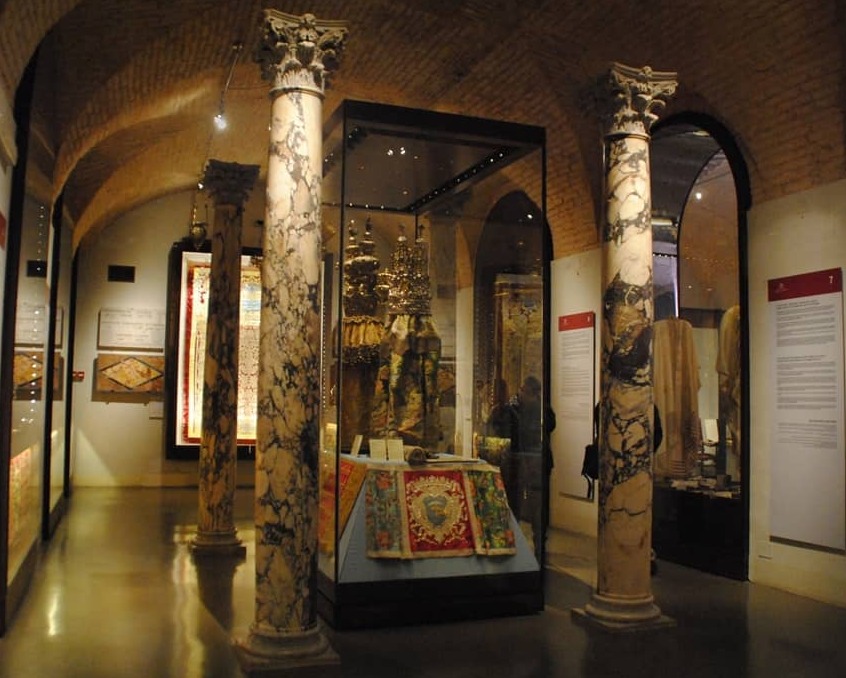


Nestled in the heart of Rome, the Jewish Museum of Rome is a profound testament to the rich tapestry of Jewish history in the Eternal City. Housed within the monumental complex of the Tempio Maggiore, this museum offers visitors an unparalleled glimpse into the life and heritage of one of the oldest Jewish communities in the world.
### History and Origins The origins of the Jewish community in Rome date back over two millennia, with the first Jewish settlers arriving in the city around 139 BCE. This vibrant community flourished despite facing significant challenges, including periods of persecution and exile. Key historical events, such as the expulsion from Spain in 1492, saw an influx of Sephardic Jews, enriching the cultural landscape.
The construction of the Tempio Maggiore itself, completed in 1904, symbolizes the resilience and continuity of the Jewish people in Rome. This monumental synagogue, with its majestic dome and neoclassical façade, serves as both a place of worship and a cultural hub. The museum was established in 2005 to preserve and showcase the community's collective memory, housing artifacts that span centuries.
### Art and Architecture The architecture of the Tempio Maggiore is a stunning blend of styles that reflect the diverse influences on Roman Jewish culture. The interior is equally breathtaking, adorned with intricate mosaics and stained glass windows that narrate biblical stories and Jewish traditions. Notable artworks include a collection of Roman silverware from the sixteenth and eighteenth centuries, along with precious fabrics and illuminated parchments that illustrate the artistic prowess of the community.
Visitors will find seven exhibition rooms meticulously organized to highlight the magnificent art objects and invaluable documents. Each piece tells a story, from the exquisite Torah scrolls to the decorative menorahs, showcasing the intersection of Jewish faith and artistic expression.
### Local Culture and Traditions The Jewish community in Rome is known for its unique customs and traditions, many of which have been preserved over generations. Notably, the annual celebration of Hanukkah involves vibrant public festivities, including a large menorah lighting in the Piazza delle Cinque Scole, the historical heart of the Jewish Ghetto. Passover is also observed with traditional meals featuring matzah and charoset, a symbolic dish that represents the mortar used by Jewish slaves in Egypt.
Cultural significance is deeply rooted in the community’s culinary heritage, where dishes like carciofi alla giudia (Jewish-style artichokes) and strudel reflect the blending of Jewish and Roman flavors. These culinary traditions are not only delicious but also serve as a vital link to the community's history.
### Gastronomy Gastronomy is an integral part of the Jewish experience in Rome, with local foods reflecting centuries of adaptation and tradition. The famous Jewish Ghetto is renowned for its culinary offerings, particularly the fried artichokes, which are a must-try for any visitor. The dish, prepared simply with salt and fried to crispy perfection, embodies the essence of Roman Jewish cuisine.
Additionally, the influence of Sephardic traditions is evident in sweets like biscotti and kugel, often enjoyed during festive occasions. To truly appreciate the culinary landscape, visitors should seek out local eateries in the ghetto, where recipes passed down through generations are lovingly prepared.
### Lesser-Known Curiosities While the museum is rich with well-known artifacts, there are lesser-known treasures that often go unnoticed. For instance, the marble fragments displayed in the museum are remnants from the Five Schools, five historic synagogues that once stood in the ghetto, which were destroyed in the 20th century. Each fragment tells a story of resilience, having survived the ravages of time and conflict.
Another intriguing aspect is the museum's collection of Hebrew manuscripts, which provides insight into the intellectual life of the community. Visitors may also come across a rare haggadah, used during Passover, beautifully illustrated and meticulously preserved.
### Practical Visitor Information The best time to visit the Jewish Museum of Rome is during the spring and fall months when the weather is mild, allowing for a comfortable exploration of both the museum and its surrounding areas. Visitors should allocate at least two hours to fully appreciate the exhibitions and the historical significance of the artifacts.
Tips for your visit include taking advantage of guided tours offered by the museum, which can provide deeper insights into the collections and the context of the Jewish community in Rome. Don't forget to explore the adjacent Tempio Maggiore, where the architecture alone is worth the visit.
In conclusion, the Jewish Museum of Rome is more than a repository of artifacts; it is a living testament to a community that has thrived against the odds. With its rich history, artistic treasures, and cultural significance, it invites visitors to engage with the remarkable journey of the Roman Jews. Use the Secret World app to curate a personalized itinerary that lets you explore the depths of Roma's cultural gems.