
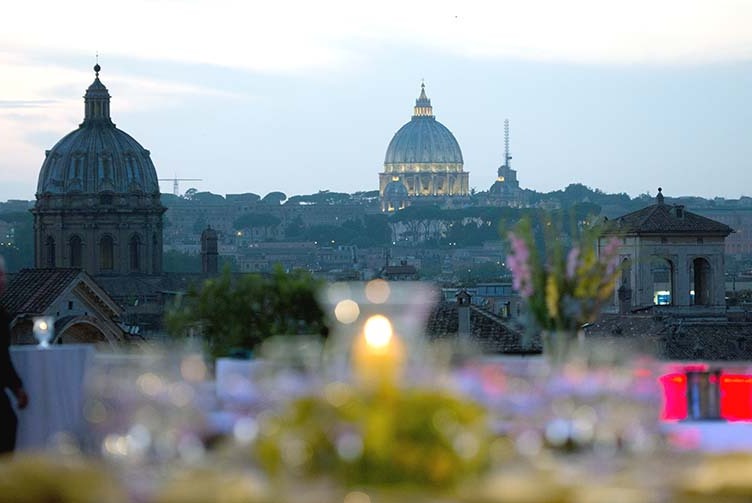

Perched atop the historic Capitoline Hill, the Campidoglio terrace offers not just breathtaking views but a deep dive into the fabric of Rome's rich history. Designed by the renowned Renaissance architect Michelangelo Buonarroti, the terrace is a vital part of the Capitoline Museums, representing a harmonious blend of art, architecture, and culture.
The origins of this iconic location trace back to the ancient period when the Capitoline Hill was one of the seven hills of Rome and served as the political and religious center of the city. In ancient times, it was home to the Temple of Jupiter Optimus Maximus, a site of immense significance. The hill has seen many historical events, including the sack of Rome in 410 AD by the Visigoths, which marked a significant turning point in the city’s history. The transformation of the hill into a grand architectural space began in the 16th century when Pope Paul III commissioned Michelangelo to redesign the square, culminating in the stunning terrace we admire today.
The architectural style of the Campidoglio terrace is a masterful representation of Mannerism, characterized by its harmonious proportions and elegant lines. The central Piazza del Campidoglio is flanked by three palaces: the Palazzo dei Conservatori, the Palazzo Nuovo, and the Palazzo dei Senatori, all designed with a keen eye for symmetry. Visitors can marvel at the grand staircase known as the Cordonata, which leads up to the terrace, showcasing a stunning view of the Roman Forum below. The terrace itself features three panoramic viewpoints, each providing a unique perspective of Rome's timeless beauty.
Art lovers will appreciate the numerous sculptures and statues that adorn the terrace and the surrounding museums. Notable works include the Capitoline Venus and the Dying Gaul, both masterpieces that reflect the skill and artistry of their creators. The Cafeteria of the Capitoline Museums, located on the third terrace, is not only a place to grab a bite but also offers a memorable view of the Foro Olitorio and the ancient Theatre of Marcellus, making it a perfect spot to pause and soak in the history.
Local culture thrives in this historical setting. The Capitoline Hill is often the site of various cultural events and festivals, particularly during the Roman Summer when the city is alive with music, dance, and artistic performances. One can often find locals celebrating traditional festivals like Carnevale di Roma, which showcases vibrant parades, costumes, and a spirited atmosphere that reflects the city's rich heritage.
When it comes to gastronomy, the area surrounding the Campidoglio terrace is replete with culinary delights that are quintessentially Roman. Don’t miss trying the cacio e pepe, a simple yet delicious pasta dish made with Pecorino Romano cheese and black pepper. Pair this with a glass of Frascati, a local white wine, for an authentic Roman dining experience. For those with a sweet tooth, indulging in a slice of torta di ricotta from a nearby bakery is a must.
Among the lesser-known curiosities of the Campidoglio terrace is the story of the Capitoline Wolf, a bronze sculpture symbolizing Rome's foundation myth. According to legend, the wolf nursed the twin brothers Romulus and Remus, the founders of Rome. Additionally, hidden within the Capitoline Museums are ancient artifacts that tell the story of Rome's evolution from a small village to one of the greatest empires in history.
The best time to visit the Campidoglio terrace is during the spring and early autumn months when the weather is pleasantly mild, allowing for extended exploration. Early mornings or late afternoons provide optimal lighting for photography, giving you the best chance to capture the stunning views of Rome's skyline. Be sure to take your time, strolling through the terraces, appreciating the intricate details of the architecture, and soaking in the panoramic vistas.
As you plan your visit, consider downloading the Secret World app to create a personalized itinerary that helps you uncover the secrets of this remarkable city.


