
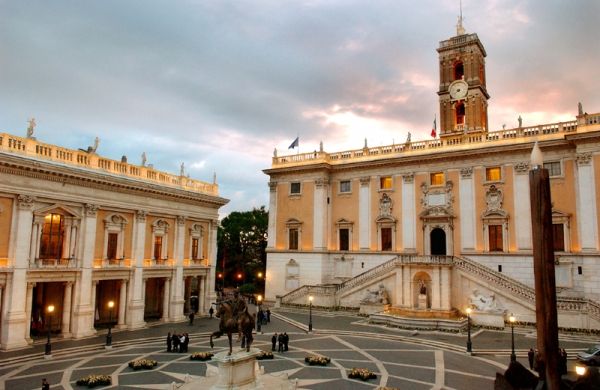

Nestled atop Capitoline Hill, the Capitoline Museums stand as a testament to the rich tapestry of Rome's history and artistry. Often recognized as the world's first public museum, its origins trace back to 1471 when Pope Sixtus IV generously gifted an exquisite collection of bronze statues to the Roman populace. This pivotal moment marked the beginning of a journey that would see the museums evolve into a treasure trove of art and culture, with Pope Clement XII opening their doors to the public in 1734. As you ascend the hill, the majestic architecture greets you—a blend of classical styles with stunning facades designed by the renowned architect Michelangelo. The museums now house an extraordinary array of ancient Roman bronzes, marble sculptures, medieval artifacts, and Renaissance masterpieces, all set against the breathtaking backdrop of the Roman Forum below, providing visitors with one of the most spectacular views in the city.
The collection includes some iconic works, such as the Capitoline Venus and the striking Dying Gaul. These masterpieces not only showcase the artistic mastery of their creators but also serve as cultural relics that reflect the values and beliefs of ancient Rome. The Palazzo dei Conservatori and Palazzo Nuovo, the two main buildings of the museums, are adorned with intricate frescoes and sculptures that narrate Rome’s storied past.
In addition to the art, the Capitoline Museums are steeped in local culture and traditions. Rome celebrates numerous festivals throughout the year, many of which highlight its rich artistic heritage. The Festa de Noantri, for example, showcases the city's vibrant street life, with processions that echo the grandeur of ancient Roman parades, making it an excellent time to experience the intersection of history and local customs.
When it comes to gastronomy, the area surrounding the Capitoline Museums is a culinary delight. Traditional Roman dishes such as Cacio e Pepe and Carbonara can be found in nearby trattorias, where the rich flavors of local Pecorino Romano cheese and guanciale take center stage. Pair your meal with a glass of Frascati, a white wine from the hills just outside the city, to truly savor the local palate.
For those looking to dig deeper, there are lesser-known curiosities that add layers to your visit. Did you know that the Capitoline Wolf, a symbol of Rome, is not just a statue but a representation of the myth that speaks to the city's foundation? Legend has it that Romulus and Remus were nurtured by this she-wolf, and the statue embodies the spirit of resilience and protection. Additionally, the museums house a collection of ancient inscriptions and artifacts that tell stories of everyday life in Rome, often overlooked by casual visitors.
To make the most of your visit, aim for the shoulder seasons of spring and fall. The milder weather allows for a more pleasant exploration of both the museums and the surrounding historic sites. Arrive early to beat the crowds and consider purchasing a timed entry ticket online to ensure your spot. Don’t miss the stunning Tabularium, which not only showcases breathtaking views of the Forum but also serves as a bridge to the ancient past of the city.
As you wander through the galleries, take a moment to appreciate the intricate details of the artworks and the stories they tell. Each corner of the Capitoline Museums reveals a piece of Rome’s identity, making it a must-visit destination for art enthusiasts and history buffs alike. For a personalized experience that captures the essence of this magnificent city, consider using the Secret World app to plan your itinerary.
Rome, with its layers of history and culture, invites you to explore its treasures. Immerse yourself in the beauty and history that the Capitoline Museums offer.


