
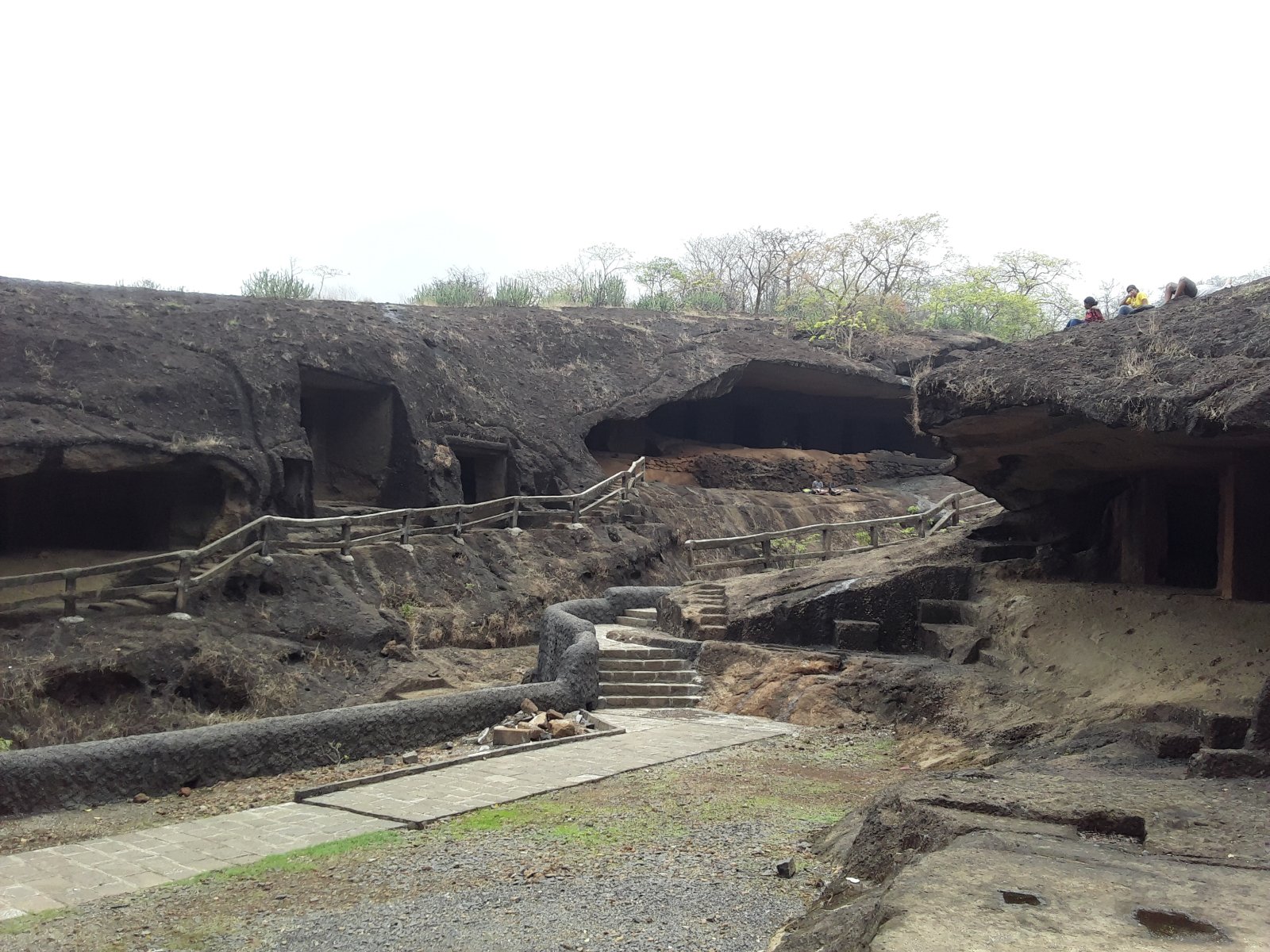
Nestled within the verdant expanse of Sanjay Gandhi National Park, the Kanheri Caves are a testament to the ancient ingenuity and spiritual fervor that once thrived in the heart of Mumbai. These rock-cut monuments, believed to be among the oldest in India, serve as both a historical marvel and a peaceful retreat from the bustling city.
### History and Origins The origins of the Kanheri Caves date back to the 3rd century BC, making them one of the earliest examples of Buddhist rock-cut architecture in the country. Originally, the site served as a monastic settlement that evolved over centuries into a significant center for learning and meditation. The caves were meticulously carved out between the 1st century BC and the 10th century AD, showcasing the enduring persistence of its builders. Prominent historical figures, including Buddhist monks from the Maurya and Gupta periods, are believed to have frequented these caves, contributing to their development as a major religious and educational hub.
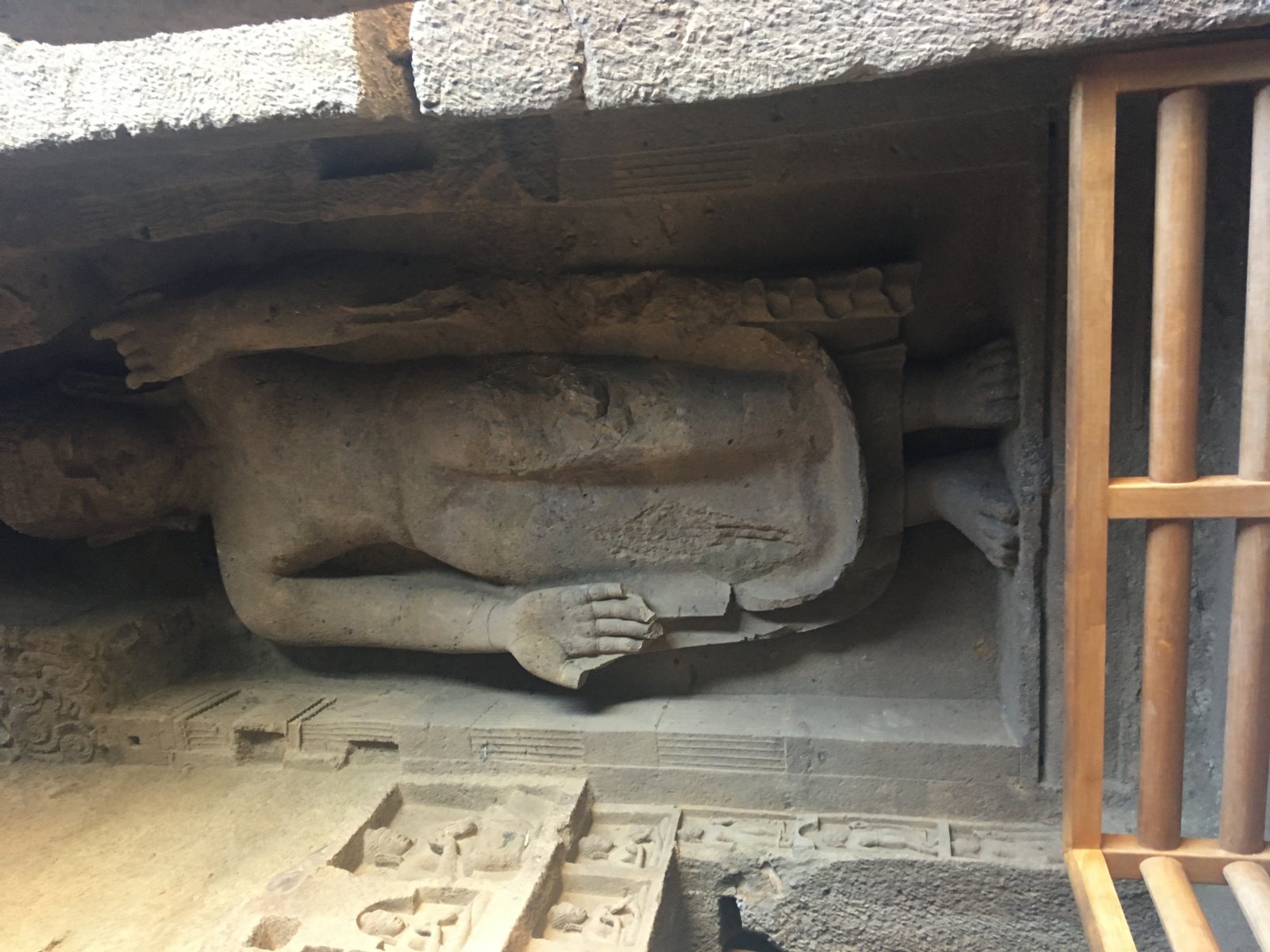
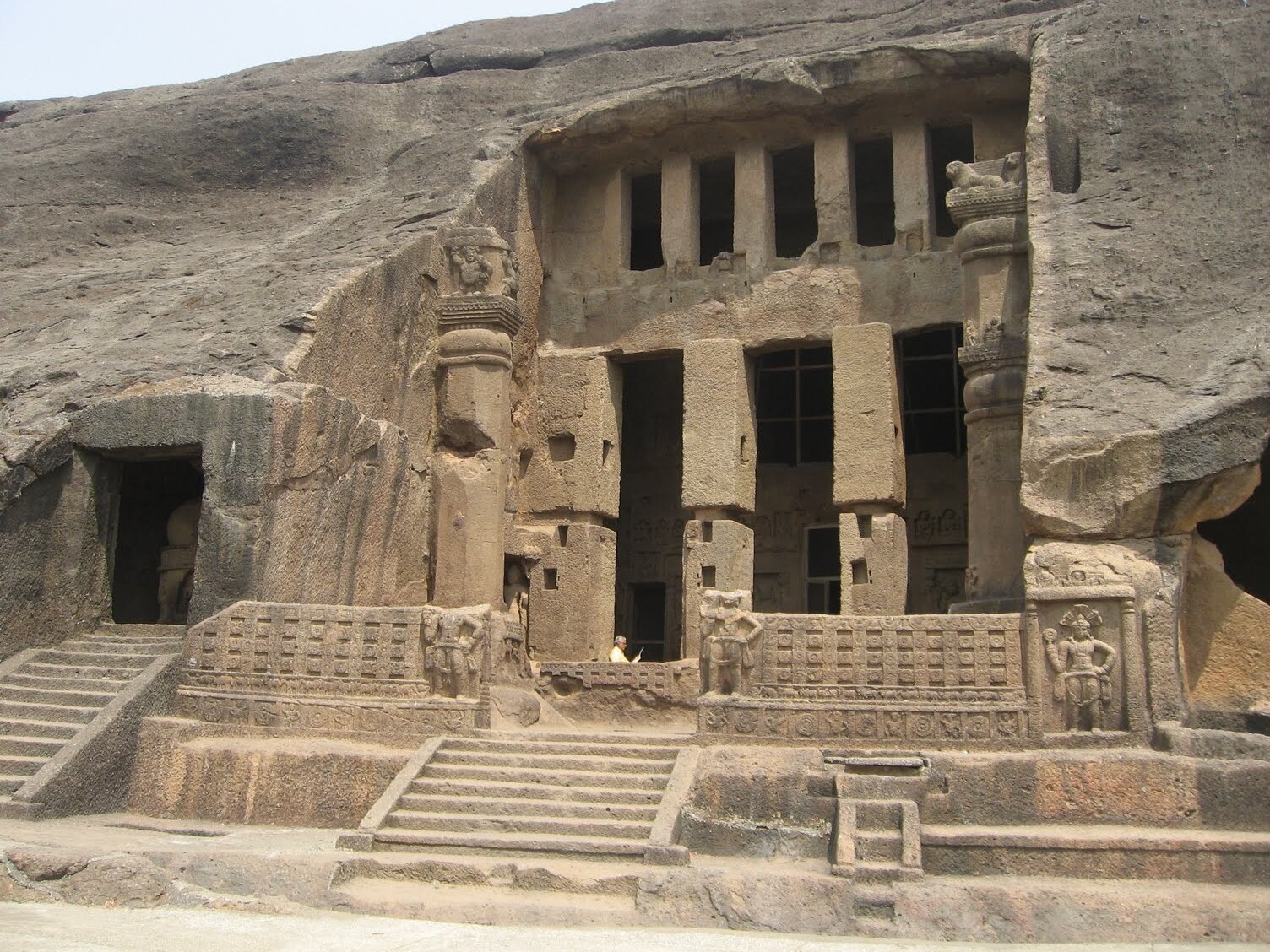
### Art and Architecture The architectural style of the Kanheri Caves is a striking blend of simplicity and grandeur. Carved from basalt rock, the complex consists of over 100 caves, each with its own distinct features. The main cave, Cave 3, is a chaitya or prayer hall, notable for its grand facade and intricate pillars. Inside, beautifully carved stupas and sculptures of the Buddha reflect the artistic prowess of the ancient craftsmen. The caves also feature ancient inscriptions and paintings, some of which depict the life of the Buddha and various Jataka tales, offering a glimpse into the spiritual life of the time.
### Local Culture and Traditions The Kanheri Caves hold immense cultural significance for the local community and are often associated with the region's Buddhist heritage. Although the caves themselves no longer serve as active religious sites, they continue to be a symbol of Mumbai's rich historical tapestry. Various festivals celebrating Buddhist traditions, such as Buddha Purnima, often see locals and visitors alike flocking to the site to pay homage to the Buddhas of the past.
### Gastronomy While the caves are primarily a historical site, the surrounding area offers a taste of local Maharashtrian cuisine. Visitors can savor traditional dishes like Vada Pav, Pav Bhaji, and Puran Poli, often found in nearby eateries. These dishes reflect the vibrant flavors and culinary traditions of Mumbai, providing a delightful complement to a day of exploration.
### Lesser-known Curiosities One intriguing aspect of the Kanheri Caves is their sophisticated ancient water management system. The monks ingeniously devised a series of cisterns and canals to collect and distribute rainwater, ensuring a sustainable water supply throughout the year. Additionally, the caves are home to some intriguing inscriptions in Brahmi and Devanagari scripts, which offer valuable insights into the ancient languages and scripts of the region.
### Practical Visitor Information The best time to visit the Kanheri Caves is during the cooler months from November to February, when the weather is most pleasant for hiking and exploring. Visitors are advised to wear comfortable walking shoes and carry water, as the site involves a fair amount of climbing. Don't miss the panoramic views from the top of the hill, offering a breathtaking perspective of both the park and the city beyond.
To craft your perfect Mumbai adventure, consider using the Secret World app for a personalized AI itinerary that brings the city's hidden gems to life.