
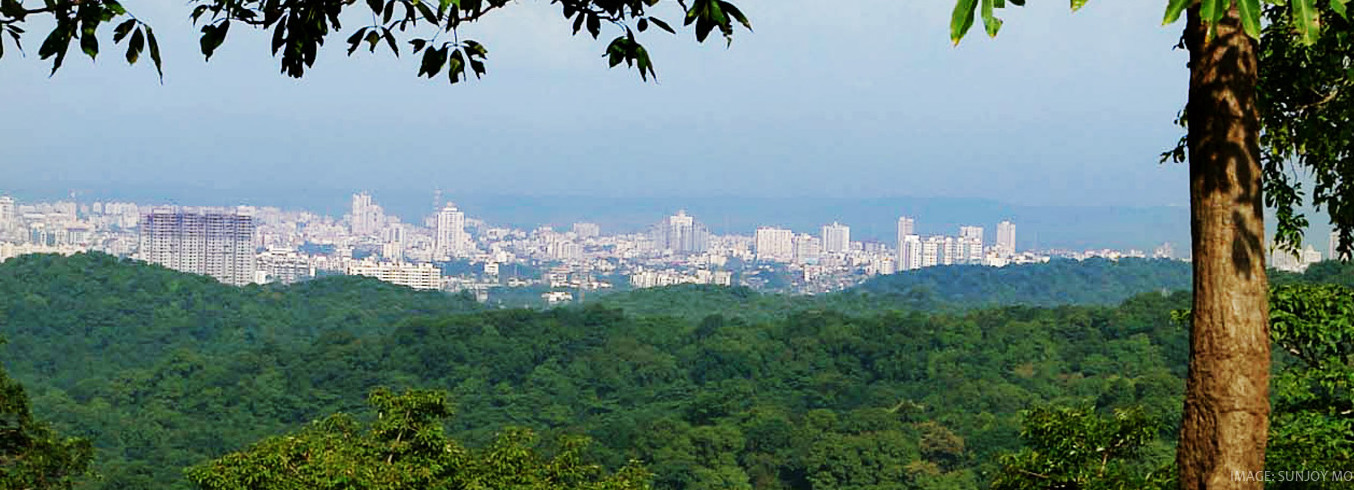

Nestled within the bustling metropolis of Mumbai, the Sanjay Gandhi National Park is a verdant oasis that offers a remarkable juxtaposition to the city's urban chaos. This expansive 104 square kilometers of unbroken forest is not merely a haven for wildlife but a tapestry of rich history, art, and culture that has evolved over centuries.

The origins of Sanjay Gandhi National Park trace back to the 4th century BCE, with the Kanheri Caves standing as a testament to its ancient past. These caves, carved out of basalt rock, were once a flourishing Buddhist center, serving as viharas (monasteries) and chaityas (prayer halls). The inscriptions and carvings found here reveal a complex network of trade and communication that linked the region to other parts of India and the world. The park was formally designated as a protected area in 1969, initially named Borivali National Park before being renamed to honor Sanjay Gandhi, a significant figure in Indian politics.
The Kanheri Caves, with their intricate carvings and stone-cut stupas, reflect the architectural prowess of ancient artisans. The caves feature elaborate sculptures of Buddha and various Bodhisattvas, etched with a precision that speaks volumes about the cultural zenith of the time. The ingenious water management systems, including cisterns and canals, highlight a sophisticated understanding of engineering and ecology. These caves offer a glimpse into the artistic and spiritual fabric of India's past, making them a must-visit for those interested in history and architecture.
Beyond its historical significance, Sanjay Gandhi National Park is a microcosm of Maharashtrian culture. The park plays host to the vibrant festival of Makar Sankranti, where locals gather to celebrate with kite flying and traditional music. The park's tribal communities, such as the Warli, add to the cultural mosaic, sharing their unique art forms and folklore with visitors. Their traditional Warli paintings, often depicting scenes of daily life and nature, provide an enriching cultural insight.
No visit to the park is complete without indulging in the local gastronomy. The nearby areas are home to a variety of street foods that reflect the culinary diversity of Mumbai. Visitors can savor vada pav, a spicy potato fritter sandwiched in a bun, or bhajiyas, fried vegetable fritters, which are perfect after a long hike. For those looking to quench their thirst, a refreshing glass of nimbu pani (lemonade) or kokum sherbet, a drink made from the kokum fruit, is highly recommended.
While many flock to Sanjay Gandhi National Park for its natural beauty and wildlife, there are lesser-known curiosities that add depth to its allure. The park is home to the Malgacha Vagh, or spotted leopards, which have adapted remarkably to the urban environment surrounding the park. Another hidden gem is the Shilonda Trail, a serene path that meanders through dense forests and is perfect for bird watchers and nature enthusiasts. The park also hosts the quaint Miniature Railway, offering a scenic ride that is particularly popular with families.
For those planning a visit, the best time to explore Sanjay Gandhi National Park is during the cooler months from October to February. These months offer pleasant weather, making it ideal for trekking and exploring the lush landscapes. Early mornings or late afternoons are the best times to spot wildlife, especially the elusive leopards. It's advisable to wear comfortable clothing, carry water, and ensure your camera is ready to capture the stunning vistas and vibrant wildlife.
In conclusion, Sanjay Gandhi National Park is not just a green lung for Mumbai but a living museum of history, art, and culture. Whether you are a history buff, a nature lover, or a culture enthusiast, this park promises an experience that is as enriching as it is mesmerizing. As you walk through its ancient caves, encounter its diverse wildlife, and connect with its local traditions, you will discover a side of Mumbai that is both timeless and profound.


