
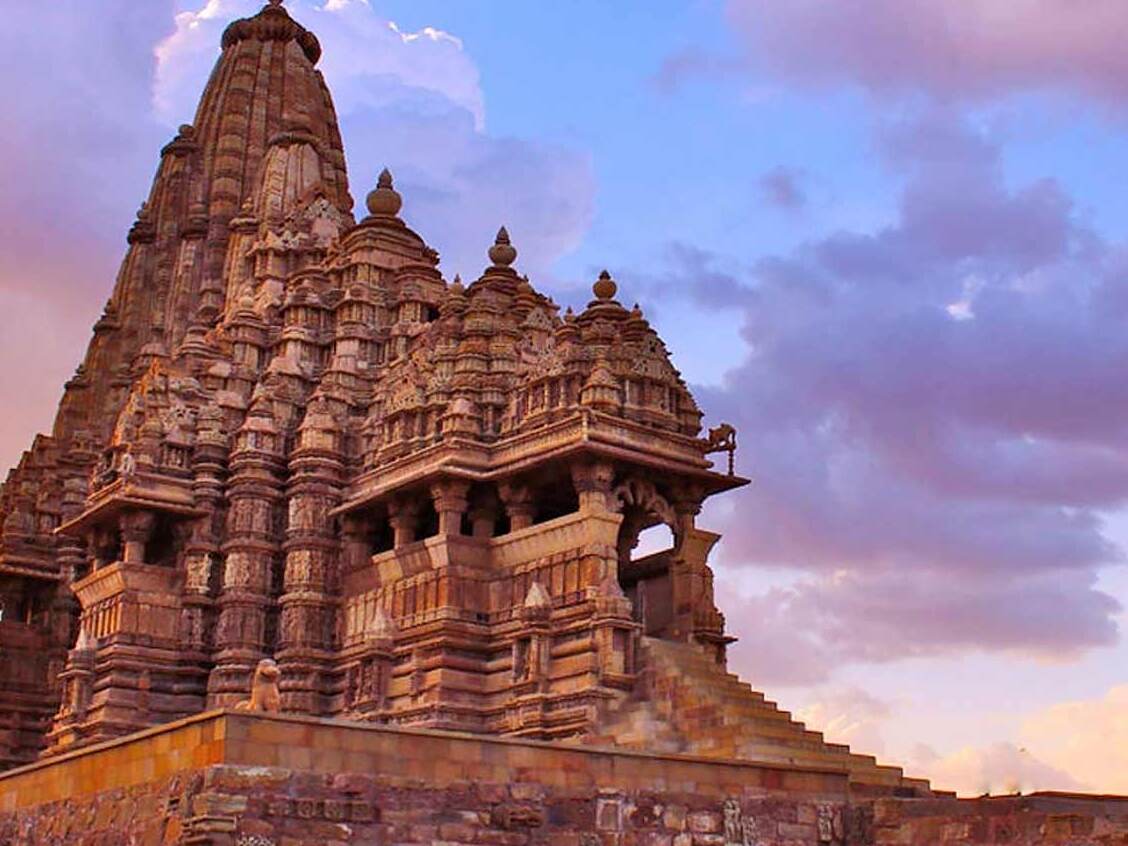

Nestled in the heart of Madhya Pradesh, Khajuraho is an enchanting destination renowned for its intricate temples that showcase a unique blend of spirituality and sensuality. These ancient structures, built between 950 and 1050 CE during the reign of the Chandela dynasty, are a testament to the artistic and cultural richness of Indian civilization. With a total of 85 temples originally constructed, the site is now home to about 25 surviving temples that attract visitors from around the world, drawn by their stunning Nagara style architecture and captivating erotic sculptures.
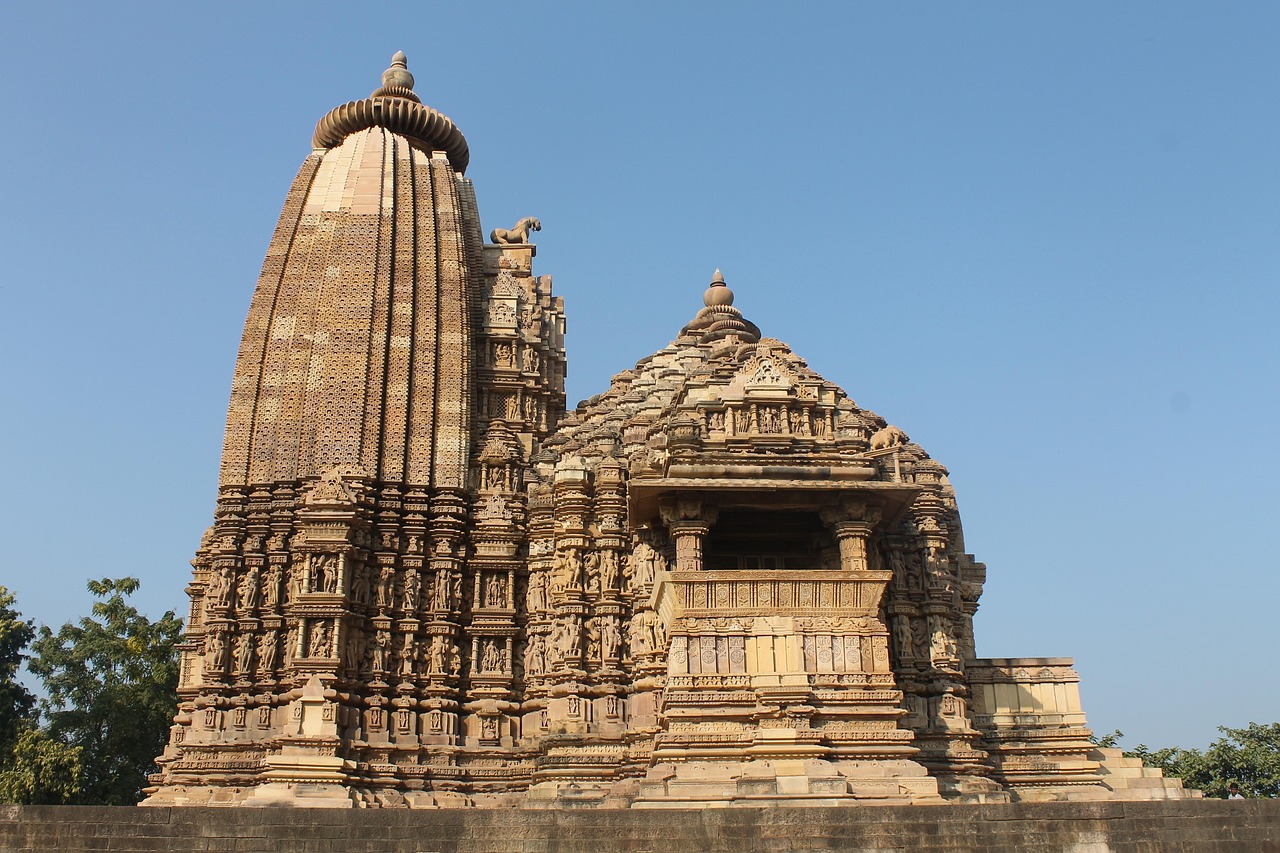
History and Origins The Chandela dynasty played a pivotal role in the creation of Khajuraho, a city that flourished as a center of art and culture during its zenith. The temples were primarily built as a celebration of life, reflecting the ethos of the time that embraced both spirituality and sensuality. Historical records suggest that the temples were commissioned by various rulers of the Chandela lineage, though much of their history remains shrouded in mystery. After the decline of the dynasty, Khajuraho was largely forgotten, buried under dense forests until its rediscovery in the 19th century by British surveyor Captain T.S. Burt.
Art and Architecture The architectural marvel of Khajuraho lies in its elaborate carvings and detailed sculptures. The Nagara style architecture is characterized by curvilinear towers (shikharas) and intricate stone carvings that cover nearly every surface. Each temple tells a story through its artwork, with figures depicting daily life, divine beings, and erotic scenes that celebrate love and desire. The Kandariya Mahadeva Temple, the largest and most ornate, features a stunning depiction of the Hindu god Shiva and showcases over 800 sculptures. The artistic significance of these carvings lies not only in their craftsmanship but also in their ability to convey the complex relationship between the divine and the human experience.
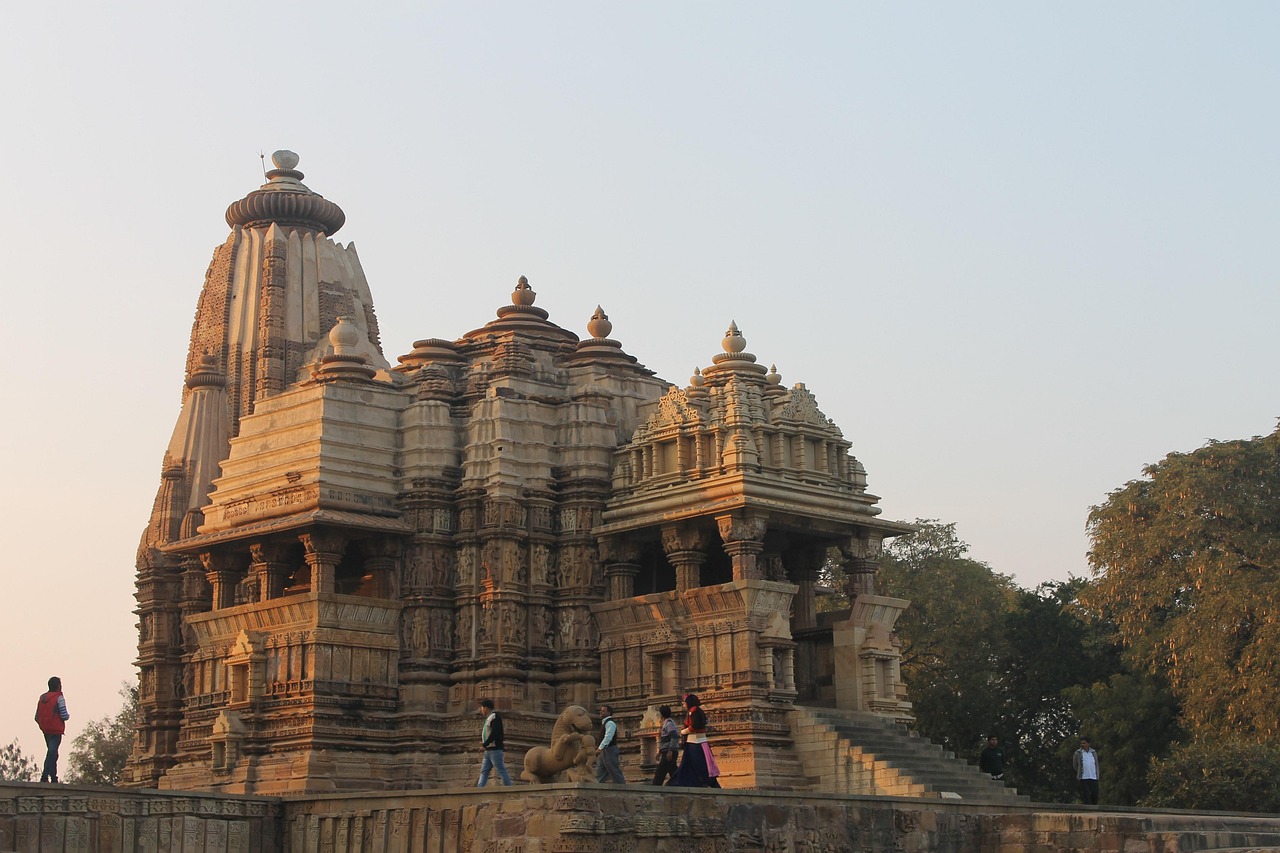
Local Culture and Traditions Khajuraho is not just about its temples; it is also vibrant with local culture and traditions. The annual Khajuraho Dance Festival, held in February, is a highlight, celebrating classical Indian dance forms such as Kathak, Bharatnatyam, and Odissi against the backdrop of the illuminated temples. This fusion of performance art and historical architecture creates a mesmerizing atmosphere that immerses visitors in the local culture. Additionally, the city maintains various festivals linked to its rich spiritual heritage, with celebrations like Navratri and Diwali drawing locals and tourists alike into the heart of its traditions.
Gastronomy The culinary offerings in Khajuraho are a delightful reflection of Madhya Pradesh's rich gastronomy. Visitors can indulge in local specialties such as Dal Bafla, a wheat-based dish served with ghee and lentils, and Biryani, a fragrant rice dish layered with spices and meat. Street vendors offer snacks like Samosas and Chaat, while local sweets like Gajar ka Halwa (carrot pudding) provide a sweet finish to any meal. Pairing these dishes with a glass of refreshing lassi—a yogurt-based drink—is a must for an authentic culinary experience.
Lesser-Known Curiosities While the erotic sculptures of Khajuraho are well-known, many tourists may be surprised to learn that only a fraction of the carvings depict sexual themes. The majority focus on themes of nature, daily life, and spirituality, emphasizing the holistic view of existence during the period. Additionally, the temples were designed to be a reflection of the universe, with their orientation and layout symbolizing cosmic harmony. Hidden within the complex are also several iconic sculptures that represent the feminine divine, offering an empowering narrative often overlooked by visitors.
Practical Visitor Information The best time to visit Khajuraho is during the cooler months from October to March, when the weather is pleasant for exploration. Ensure to spend ample time at each temple, taking in the intricate details and stories behind the carvings. A guided tour can enrich your understanding of the historical context and artistic significance of the site. For those looking to explore beyond the temples, nearby attractions like the Panna National Park offer a chance to see local wildlife and natural beauty.
As you plan your visit to this remarkable destination, consider using the Secret World app to create a personalized AI itinerary tailored to your interests in Khajuraho.


