

In the heart of India lies the enchanting city of Khajuraho, a place where history, art, and spirituality converge in a tapestry of stone. Nestled in the state of Madhya Pradesh, this UNESCO World Heritage Site is renowned for its exquisite collection of ancient Hindu and Jain temples, offering a glimpse into the rich cultural legacy of the region.
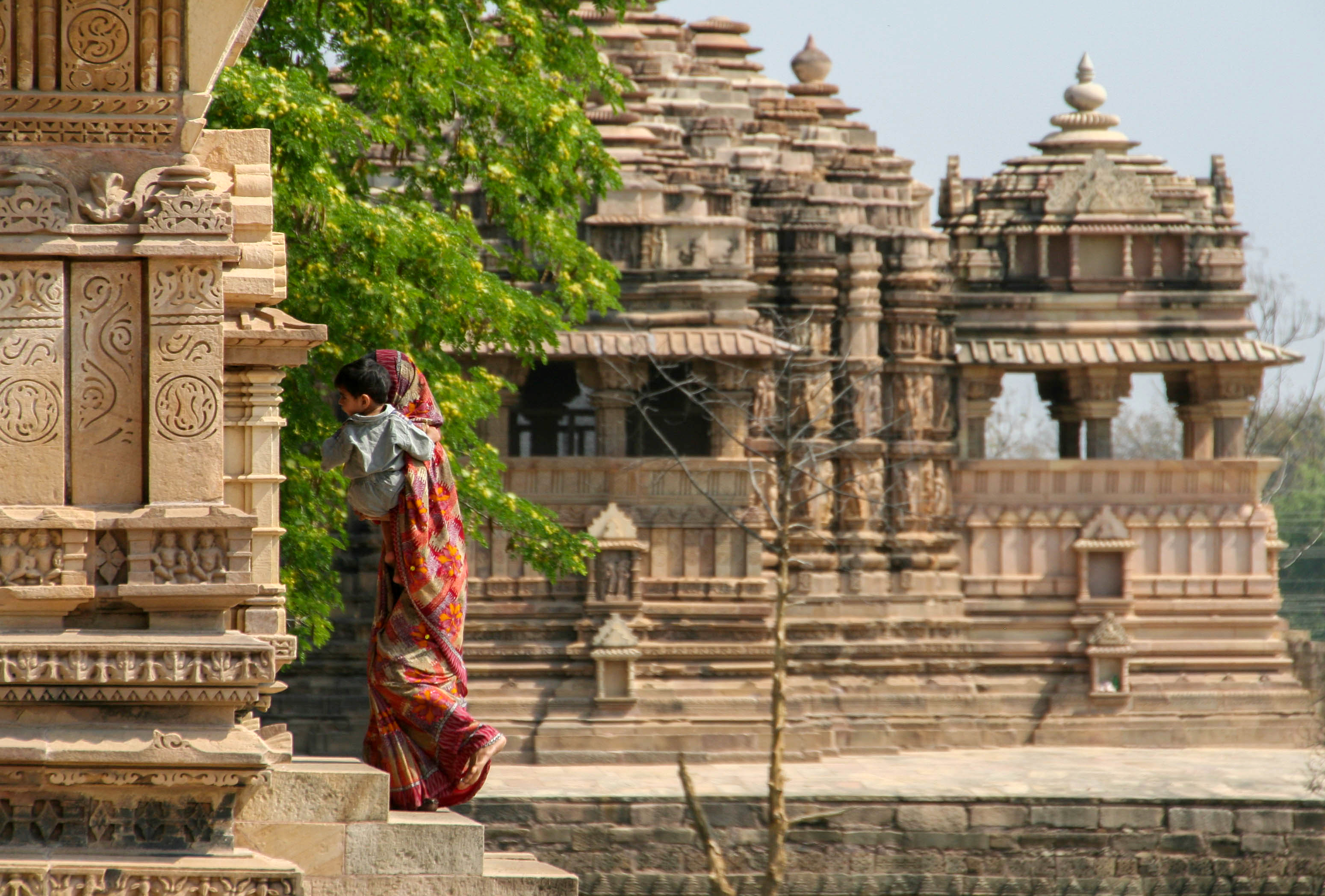
The origins of Khajuraho date back to the Chandela Dynasty, which flourished between the 9th and 11th centuries. It is believed that the city was founded by King Chandravarman, who dreamt that the moon god inspired him to build these magnificent temples. At its zenith, Khajuraho was home to over 85 temples, though only about 25 have survived the ravages of time. These temples were not just places of worship but also a celebration of life and its myriad aspects, as depicted in the intricate carvings that adorn their walls.
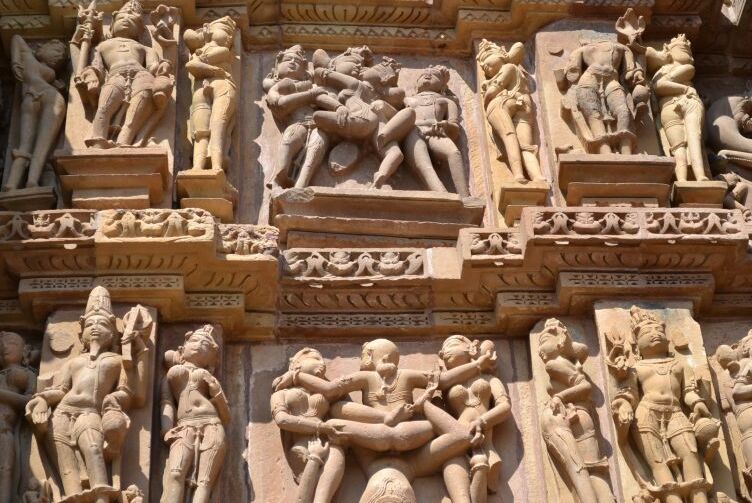
The temples of Khajuraho are acclaimed for their Nagara-style architecture, characterized by a distinctive beehive-shaped tower called the shikhara. Among these, the Kandariya Mahadeva Temple stands out as a masterpiece of medieval Hindu architecture. Rising majestically, it is adorned with over 800 sculptures, each meticulously carved to depict deities, mythical creatures, and scenes of everyday life. What sets Khajuraho apart, however, is its famous erotic sculptures. Contrary to popular belief, these form only a small part of the overall artwork, yet they capture the imagination with their unabashed celebration of human passion. These depictions are believed to be an allegory for the cosmic union of the divine forces, an integral part of the Tantric traditions that were prevalent during that era.
Beyond its architectural grandeur, Khajuraho pulsates with cultural vibrancy. The Khajuraho Dance Festival, held annually in February, is a week-long celebration that highlights the classical dance forms of India, including Kathak, Bharatanatyam, and Odissi. Set against the backdrop of the beautifully lit temples, this festival attracts performers and art aficionados from across the globe. Apart from the dance festival, local fairs like the Nagaji Fair reflect the vibrant traditions and customs of the region, where travelers can immerse themselves in the sights, sounds, and colors of rural India.
No exploration of Khajuraho would be complete without indulging in its distinct culinary offerings. The local cuisine, deeply influenced by traditional Bundelkhandi flavors, is a delightful blend of spices and textures. Visitors should not miss trying the Bafla, a wheat-based dish often served with a side of spicy lentils, and the Bhutte ki Kees, made from grated corn cooked with spices and milk. For those with a sweet tooth, Khoya Jalebi and Mawa Bati provide a delectable conclusion to any meal.
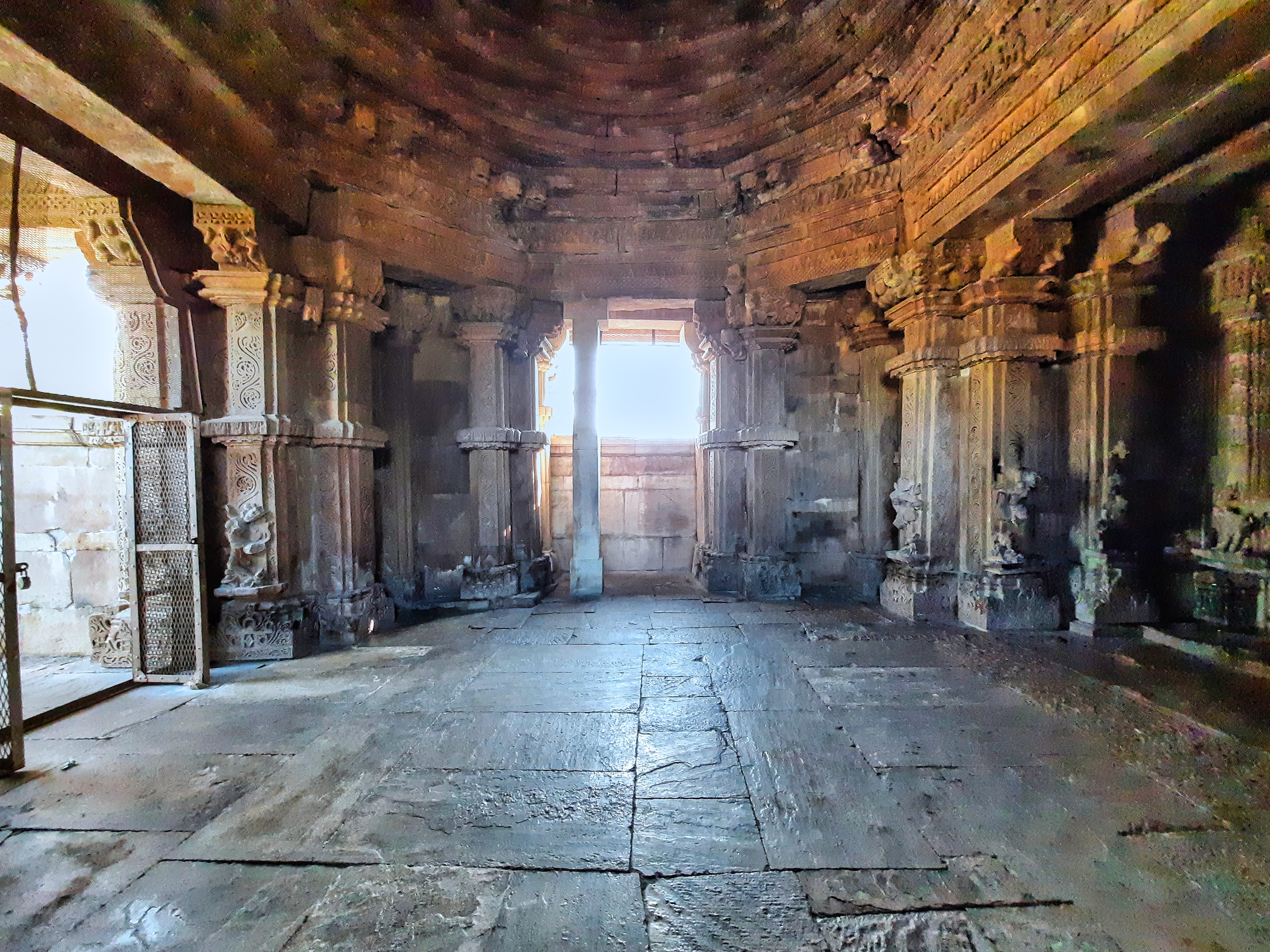
While the temples are the main draw, Khajuraho offers lesser-known curiosities that add layers to its allure. One such hidden gem is the Chausath Yogini Temple, dedicated to the 64 yoginis or female deities, believed to be the oldest surviving temple in the complex. Another intriguing aspect is the presence of air pockets within the stone sculptures, a technique used to reduce weight and prevent cracking, showcasing the advanced engineering knowledge of the time.
For those planning a visit, the best time to explore Khajuraho is between October and March, when the weather is pleasant and conducive for sightseeing. Visitors are advised to allocate at least two days to fully appreciate the temple complex and its surroundings. Comfortable footwear is recommended due to the extensive walking required, and hiring a knowledgeable local guide can enrich the experience by providing insights into the historical and cultural context of the site.
In conclusion, Khajuraho is not merely a destination; it is a journey through time, inviting travelers to discover the stories carved in stone. Whether you are an art enthusiast, a history buff, or simply a seeker of beauty, Khajuraho promises an unforgettable experience that resonates with the spirit of ancient India.


