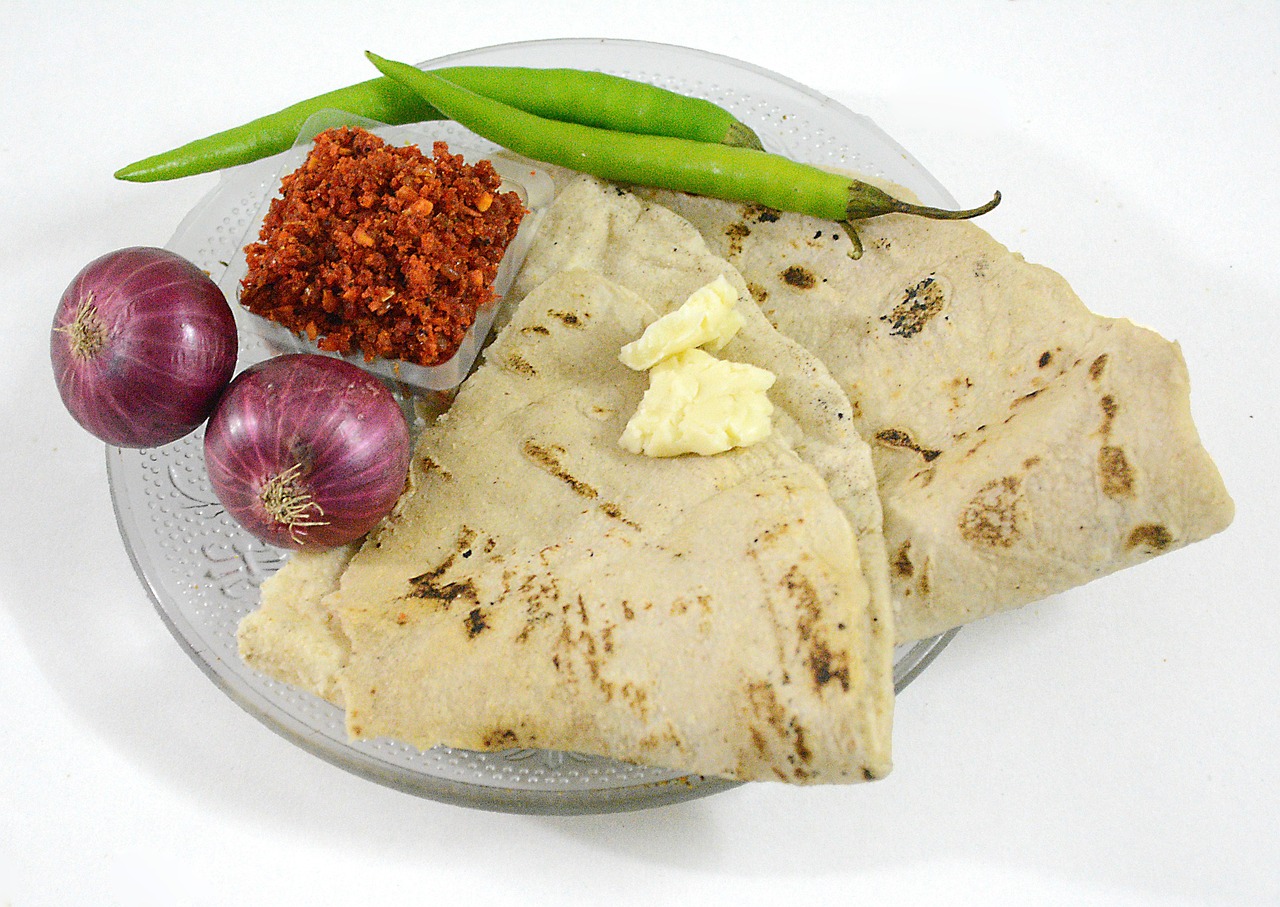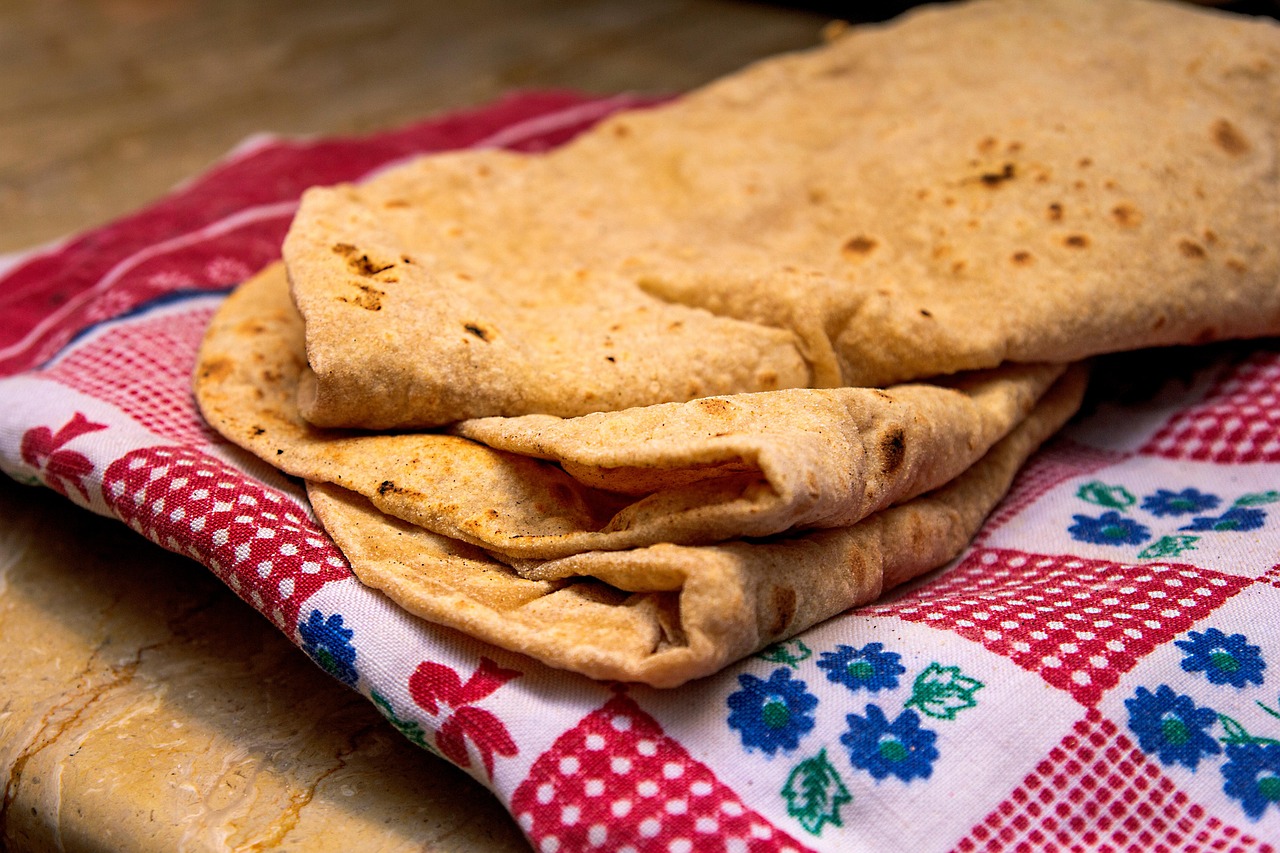
In the bustling heart of Mumbai, where the aroma of spices mingles with the sea breeze, the culinary delight known as Kima Baida Roti captures the essence of the city's vibrant street food culture. This delectable dish, a staple in Mumbai’s street food scene, is a savory masterpiece that reflects the city’s rich cultural tapestry and diverse culinary heritage.
### History and Origins The origins of Kima Baida Roti trace back to Mumbai’s colonial past, when the city was a melting pot of cultures and cuisines. The dish is believed to have evolved from the traditional Parsi and Irani influences that shaped Mumbai’s gastronomy. The term "baida" means egg in Hindi, and this street food combines the traditional Indian bread-making techniques with a filling reminiscent of Parsi-style kheema (minced meat). While exact dates are hard to pin down, Kima Baida Roti likely gained prominence in the early 20th century as a quick, hearty meal for workers and traders bustling through the city’s markets.
### Art and Architecture Though Kima Baida Roti itself isn't linked to architectural marvels, its story is intertwined with the vibrant locales where it is savored. From the iconic Chhatrapati Shivaji Terminus to the historic Crawford Market, the stalls selling this dish often sit amidst Mumbai’s architectural treasures. The city's blend of Victorian Gothic, Art Deco, and Indo-Saracenic styles creates a backdrop as eclectic as the food itself, providing a feast for the eyes while the palate enjoys the spicy, eggy, and meaty flavors of the roti.
### Local Culture and Traditions In Mumbai, street food is more than just a meal; it’s a cultural experience. Locals flock to bustling streets like Mohammed Ali Road and Carter Road to enjoy Kima Baida Roti, especially during the holy month of Ramadan, when the city’s food stalls come alive at night. This dish is a testament to Mumbai’s ability to embrace and adapt various cultural influences, transforming them into something uniquely its own. Sharing a plate of Kima Baida Roti is also a social event, a moment where friends and strangers come together over a shared appreciation for flavor and community.
### Gastronomy Mumbai's culinary scene is as diverse as its population, with influences from South Indian, Gujarati, Maharashtrian, and international cuisines. Alongside Kima Baida Roti, travelers should not miss tasting local favorites like vada pav, pani puri, and pav bhaji. Each dish tells a story of migration, adaptation, and innovation, with Kima Baida Roti standing out for its comforting blend of spicy minced meat and soft, flaky paratha encased in a delicate egg wrap.
### Lesser-known Curiosities A unique aspect of Kima Baida Roti is its versatility. While traditionally made with minced mutton or chicken, some vendors experiment with vegetarian versions, swapping the meat for paneer or soy. This adaptability mirrors Mumbai’s spirit, where tradition meets modernity. Another lesser-known fact is the secret spice blends each vendor uses, passed down through generations, giving each stall its unique flavor profile.
### Practical Visitor Information The best time to savor Kima Baida Roti is during the cooler months from November to February, when Mumbai’s climate is most pleasant. To experience the dish in its full glory, venture to popular food hubs like Colaba Causeway or Bandra. Arrive with an appetite and a sense of adventure—street food dining is often a communal affair, with locals eager to share tips and recommendations.
To uncover more about Mumbai’s culinary scene, create a personalized itinerary with the Secret World app.