
← Back

Knights' Square

Piazza dei Cavalieri, 56126 Pisa PI, Italia ★★★★☆ 179 views
Flavia Rubio
Pisa
🏆 AI Trip Planner 2026

Get the free app

Discover the best of Pisa with Secret World — the AI trip planner with 1M+ destinations. Get personalized itineraries, hidden gems and local tips. Free on iOS & Android.

🧠 AI Itineraries 🎒 Trip Toolkit 🎮 KnowWhere Game 🎧 Audio Guides 📹 Videos
Scan to download iOS / Android
Scan for AppGallery Huawei users

About Knights' Square

Knights' Square - Pisa | Secret World Trip Planner

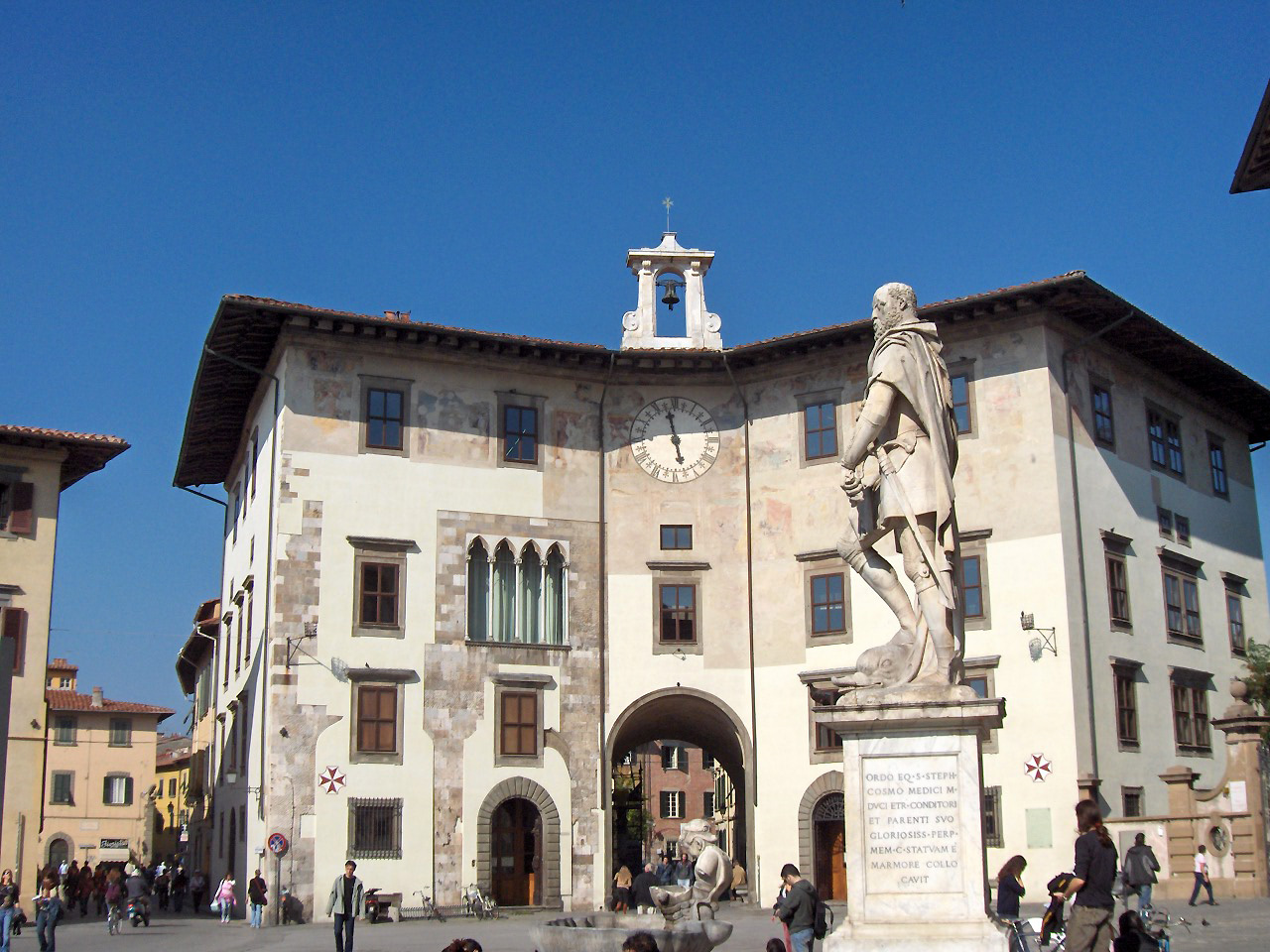
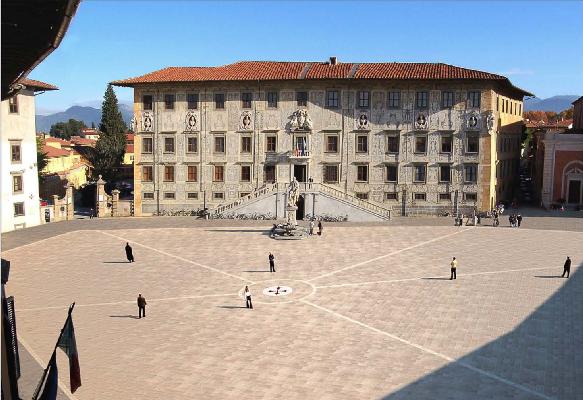
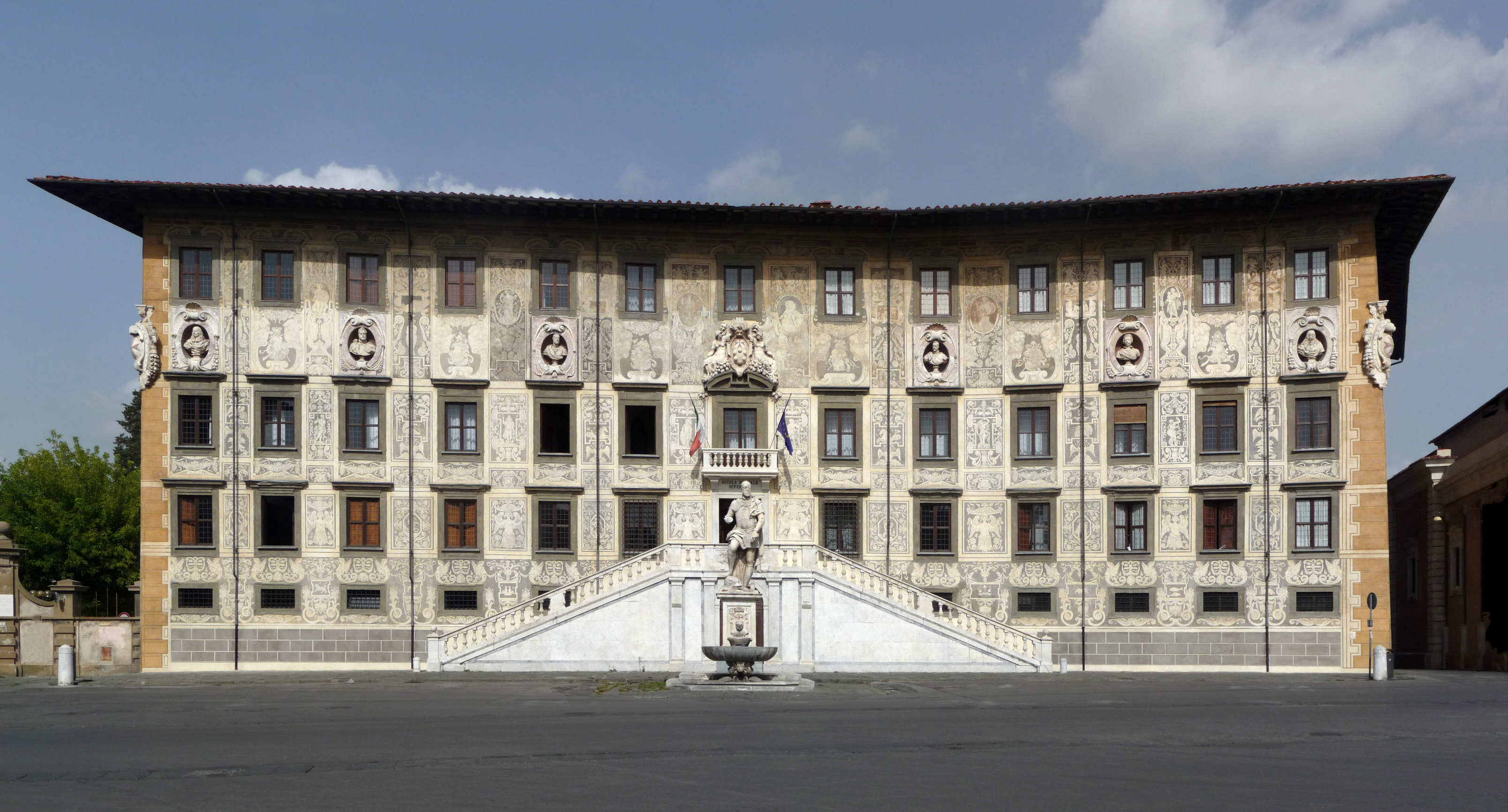
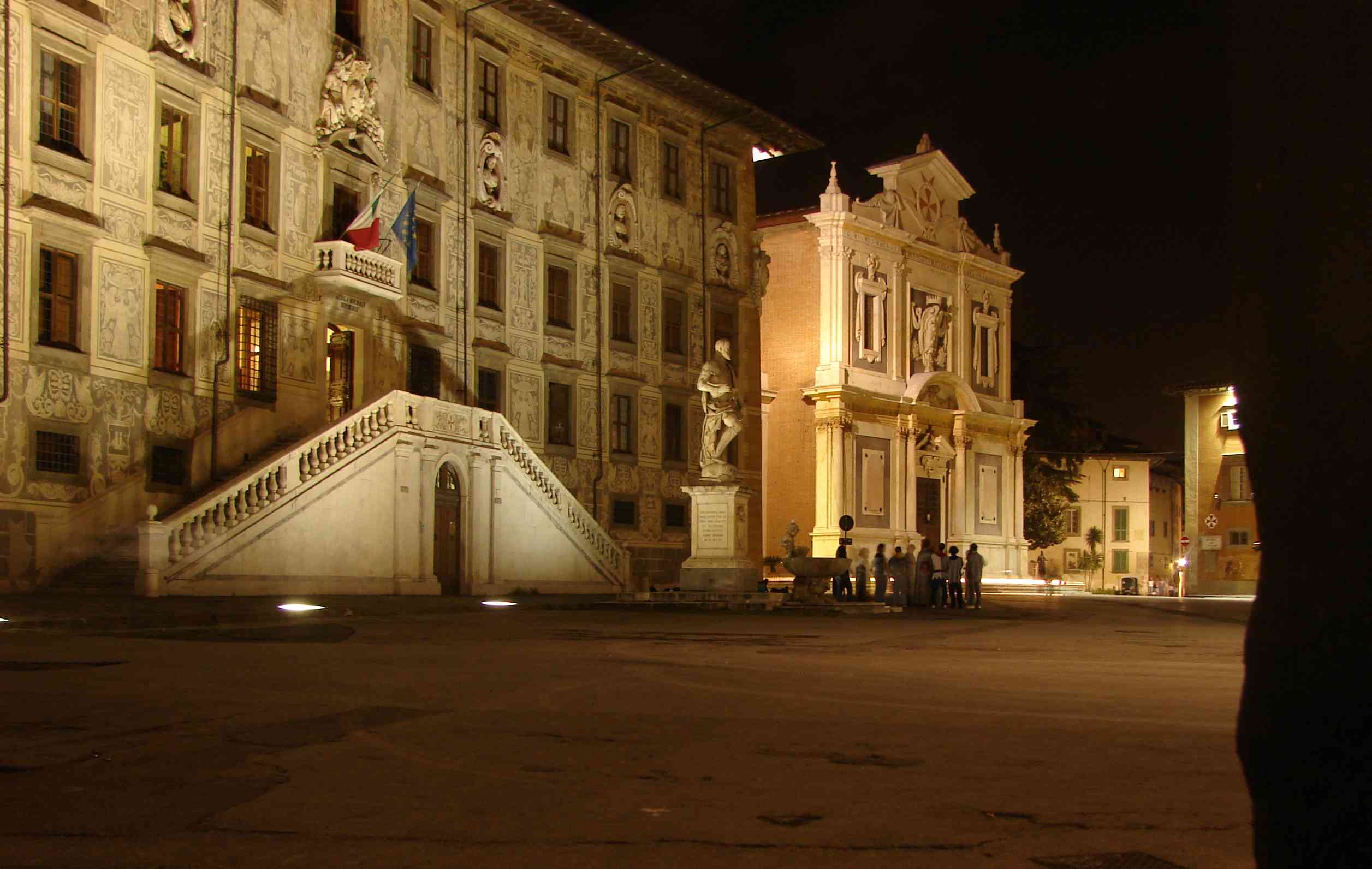
Piazza dei Cavalieri is the result of a vast work of urban rearrangement wanted by Cosimo I in 1558 and entrusted to Giorgio Vasari, who moved to regularize the buildings facing the square, erected according to his words in confusion and disorder, often proceeding to the merger of existing medieval buildings. The square is overlooked by the Palazzo della Carovana (1562-64), the church of S. Stefano dei Cavalieri (1565-69), the Palazzo della Canonica (1566), the Palazzo del Consiglio dei Dodici (1603), the Palazzo Puteano (1594-98), the church of S. Rocco (1575), the Palazzo dell'Orologio (1605-8), while in the center stands the statue of Cosimo I (1596) by Pietro Francavilla. The area was during the Middle Ages the political and administrative center of the city. In the early Middle Ages it was the seat of the gastaldo, the Lombard official who administered the city, and of numerous iron and steel factories, so much so that from the eleventh century the area was called "fabbriche maggiori" (major factories) because of the large number of blacksmiths, active until the end of the thirteenth century. The blacksmiths represented a powerful entrepreneurial class, with the highest number of employees among all workers, as their activity was linked to shipbuilding, construction, production of weapons and everyday objects. In the late Middle Ages at the center of the current square there was a smaller one known as the square of the Seven Ways, from the number of roads that led to it, on which in 1254 was built, bringing together some existing buildings, the Palazzo del Popolo e degli Anziani (now Palazzo della Carovana). Already in the fourteenth century we proceeded to a series of expropriations and demolitions aimed at the realization of a large square called Platea Pisani Populi, at which took place even the executions.
Knights' Square - Pisa | Secret World Trip Planner
🗺 AI Trip Planner 2026

Plan your visit to Pisa

Suggested itinerary near Knights' Square

MAJ+
500.000+ travelers worldwide
  1. 🌅
    Morning
    Knights' Square
    📍 Pisa
  2. ☀️
    Afternoon
    What to See in Pisa 2026: The Ultimate Guide with Secret World
    📍 0.3 km · Pisa
  3. 🌆
    Evening
    Pisa:Teatro Rossi Aperto
    📍 0.4 km · Pisa

Buy Unique Travel Experiences

Powered by Viator

See more on Viator.com

Explore nearby · Pisa

Frequently Asked Questions

Giorgio Vasari designed the square in 1558 under the direction of Cosimo I, who wanted to reorganize the area. Vasari regularized the medieval buildings that were previously arranged in confusion and disorder, often merging existing structures to create the harmonious square we see today.
The square is surrounded by stunning Renaissance palaces including Palazzo della Carovana, Palazzo dell'Orologio, and Palazzo del Consiglio dei Dodici, along with two churches: S. Stefano dei Cavalieri and S. Rocco. At the center stands the statue of Cosimo I by Pietro Francavilla, created in 1596.
During the Middle Ages, the area was Pisa's political and administrative center, initially serving as the seat of the gastaldo (Lombard official). The square later became known as Platea Pisani Populi and was used for public executions, as well as being surrounded by blacksmith factories that were vital to shipbuilding and weapon production.
From the eleventh century, the area was named 'fabbriche maggiori' (major factories) because it housed a large concentration of blacksmith workshops and iron and steel factories. These blacksmiths formed a powerful entrepreneurial class with the highest number of employees among all workers, remaining active until the end of the thirteenth century.
Before Vasari's 16th-century redesign, a smaller square called the Square of the Seven Ways existed at the center, named for the seven roads leading to it. In the 14th century, expropriations and demolitions began to create the larger Platea Pisani Populi, which was eventually transformed by Cosimo I and Vasari into the Renaissance masterpiece visible today.