



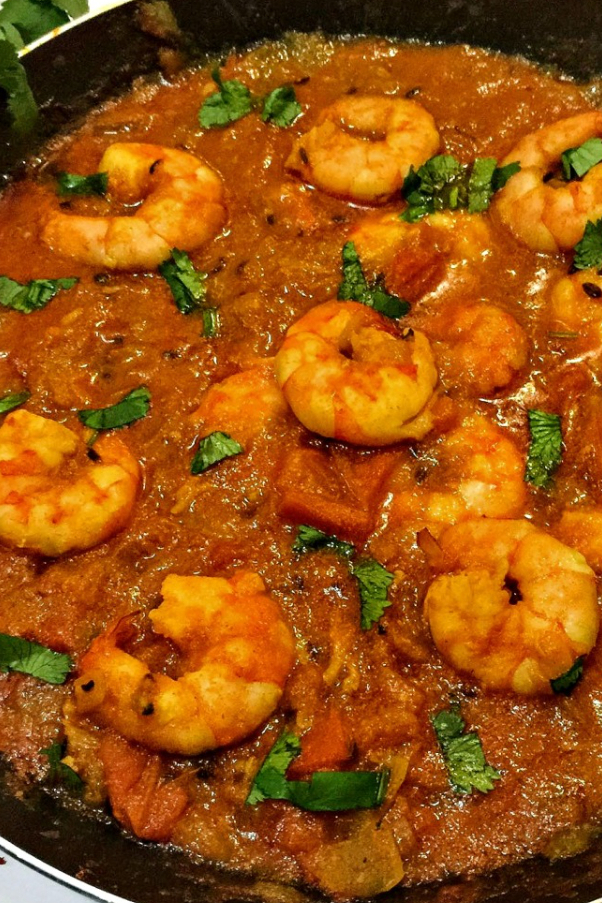
Nestled in the vibrant cityscape of Mumbai, the culinary delight known as Kolmi Papeto Tetralo offers a taste of the city's rich tapestry of flavors and history. This dish, with its savory blend of prawns and potatoes, encapsulates the essence of Mumbai’s diverse cultural influences and its dynamic gastronomic scene.
The origins of Kolmi Papeto Tetralo can be traced back to the Parsi community, which migrated to India from Persia over a millennium ago. This community brought with it a wealth of culinary traditions that have since melded with local flavors to create uniquely tantalizing dishes. The Parsi influence is evident in the dish's use of spices and its rich, tangy tomato base, reflecting the community's penchant for combining sweet, sour, and savory flavors. The dish’s history is a testament to Mumbai’s reputation as a melting pot of cultures, where culinary traditions from different parts of the world come together to create something extraordinary.
Mumbai is not only a hub for gastronomic delights but also a city steeped in history and architectural beauty. The architecture of Mumbai ranges from the colonial-era buildings of South Mumbai to the Art Deco structures that line Marine Drive. Notably, the Chhatrapati Shivaji Maharaj Terminus, a UNESCO World Heritage Site, stands as a testament to the city’s colonial past, blending Victorian Gothic and traditional Indian architectural styles. While Kolmi Papeto Tetralo is a culinary masterpiece, it’s easy to draw parallels with the city’s architectural wonders that similarly blend diverse elements into a harmonious whole.
The local culture of Mumbai is a vibrant mosaic of traditions and festivals, with the Parsi community contributing significantly to this diversity. The Parsi New Year, also known as Navroz, is celebrated with much fervor, and traditional dishes like Kolmi Papeto Tetralo often grace the festive tables. Parsi culture is characterized by its emphasis on community, celebration, and a deep respect for food, all of which are evident in the city’s bustling markets and lively streets.
Mumbai’s gastronomy is a tour de force of flavors, with street food like vada pav and pani puri coexisting alongside traditional Parsi delicacies. Beyond Kolmi Papeto Tetralo, other notable Parsi dishes include Dhansak, a hearty lentil and meat stew, and Patra ni Macchi, fish wrapped in banana leaves. Drinks such as the refreshing Pallonji’s Raspberry Soda complement these dishes, offering a sweet counterpoint to the spicy and savory flavors.
For those willing to delve deeper, Mumbai holds many lesser-known curiosities. Dadar Parsi Colony, a serene neighborhood away from the bustling city center, is a haven of Parsi culture. Here, visitors can explore quaint streets lined with historical homes and vibrant gardens, gaining insight into the daily lives and traditions of the Parsi community. Another hidden gem is the Sassoon Dock, one of the oldest docks in Mumbai, where the city’s fishing community brings in fresh catches that often end up in the city’s beloved seafood dishes.
The best time to visit Mumbai is during the cooler months from November to February, when the city’s weather is most inviting. To truly appreciate the city’s culinary offerings, it’s advisable to explore local eateries and markets, such as Crawford Market and Colaba Causeway, where one can sample a variety of street foods and artisanal products. Visitors should also be mindful of the bustling nature of the city; patience and a spirit of adventure are key to fully experiencing all that Mumbai has to offer.
In summary, Kolmi Papeto Tetralo is more than just a dish; it is a representation of Mumbai’s diverse cultural heritage and culinary prowess. From its Parsi roots to its place in the bustling metropolis of Mumbai, the dish invites food lovers to partake in a flavorful journey that is as much about history and culture as it is about taste.
