
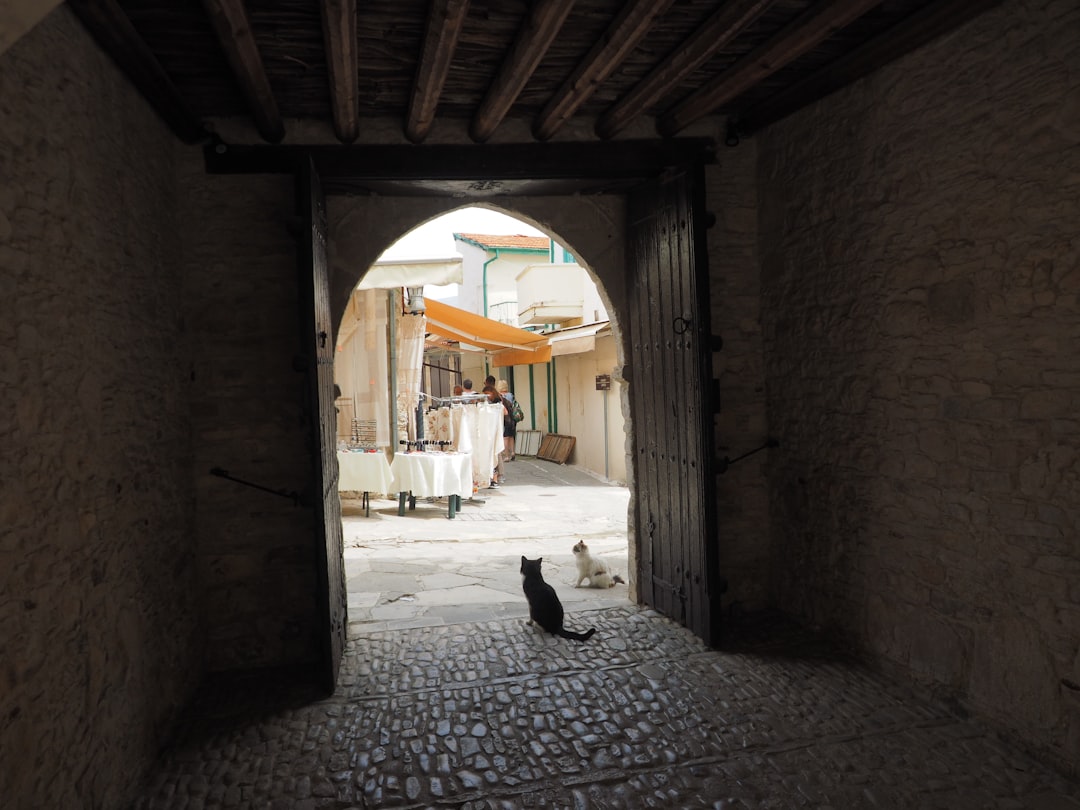

An orange cat sleeps on a white limestone stone, indifferent to the passing tourists. We are inside the medieval walls of Kotor, in Montenegro, where felines are not just stray animals but historical guardians of the city. The Cats Museum of Kotor, also known as Mačji Muzej, is dedicated to this centuries-old bond between the city and its cats, which for generations have protected the warehouses and homes of Venetian merchants from rats.
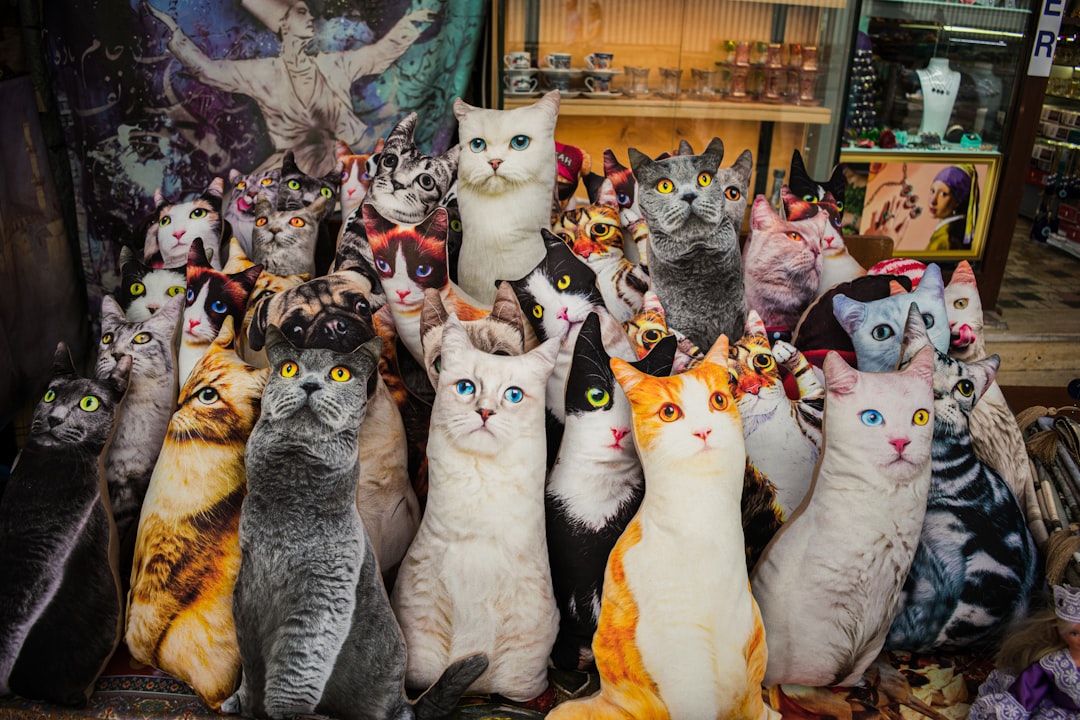
Kotor was under the rule of the Republic of Venice for centuries, and cats were brought on merchant ships to keep rodents under control. Over time, they became an integral part of urban life, so much so that today they are considered a symbol of the city. The museum collects this history through paintings, ceramics, figurines, and decorative objects with feline themes, many of which are produced by local artisans working in the adjacent alleys.
What can be found inside the museum
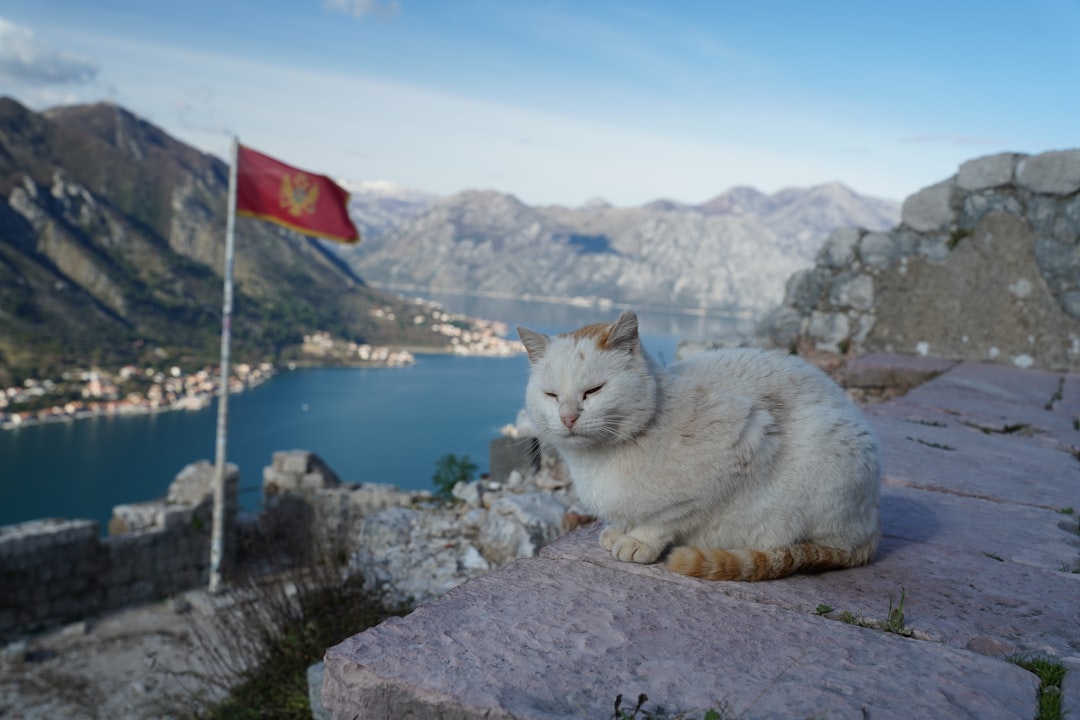
The museum occupies a small space in the heart of the old town, accessible on foot through the stone alleys of the historic center, declared UNESCO World Heritage. The rooms display hundreds of representations of cats: hand-painted ceramics, paintings, wooden sculptures, vintage postcards, and handcrafted items. Many pieces have been donated by visitors and residents over the years, giving the collection a heterogeneous and personal character.
On the walls, there are also historical photographs and illustrations documenting the presence of cats in the streets of Kotor over the centuries. The ticket price is modest, in line with the smaller museums in the region, generally around a few euros. It is a place designed for a short visit, about thirty or forty minutes, but it leaves a lasting impression due to its cozy and authentic atmosphere.
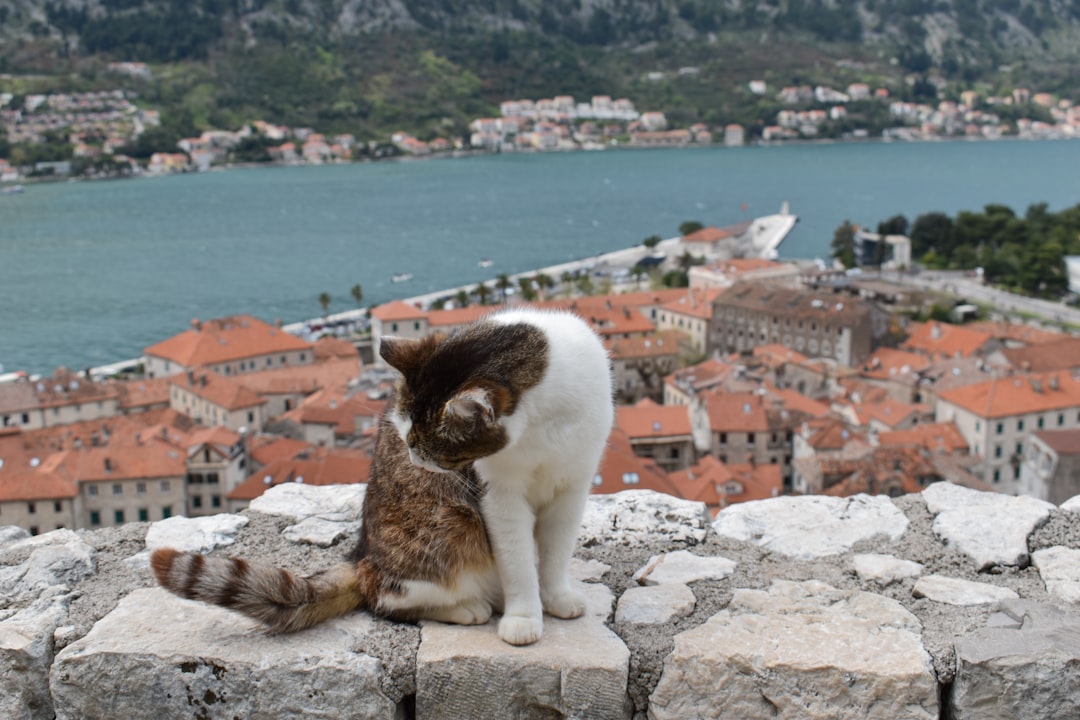
The artisan market in the alleys around the museum
Upon exiting the museum, the senses are immediately captivated by the scent of worked wood and incense coming from the small artisan workshops scattered throughout the labyrinth of surrounding alleys. These spaces, often located on the ground floor of ancient Venetian palaces, host ceramicists, painters, and goldsmiths who produce and sell directly to the public. The dominant colors are the white of limestone, the red of glazed ceramics, and the deep blue of the Adriatic glimpsed through the open doorways.
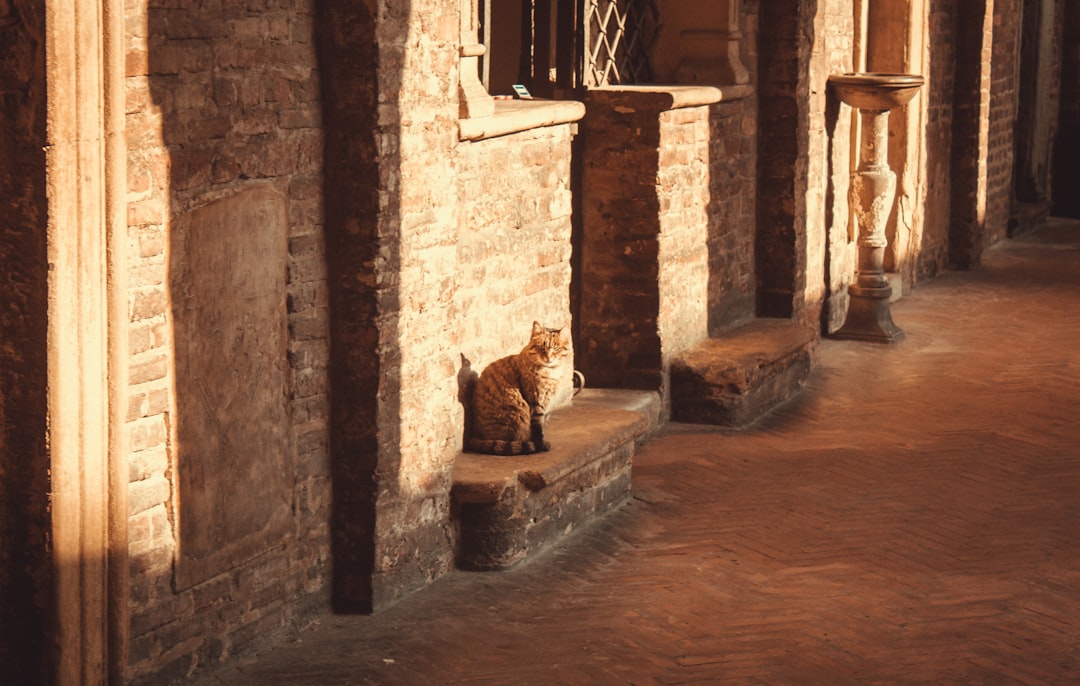
The markets of Kotor do not have the grandeur of the large Mediterranean bazaars, but they compensate with a recognizable artisanal quality. Many of the items for sale reproduce the motif of the cat, directly connecting to the narrative of the museum: mugs, magnets, canvas bags, and silver jewelry depicting feline shapes. Talking with the vendors, many of whom are also the producers, offers a direct perspective on daily life within the walls.
Sounds and Atmosphere of the Historic Center
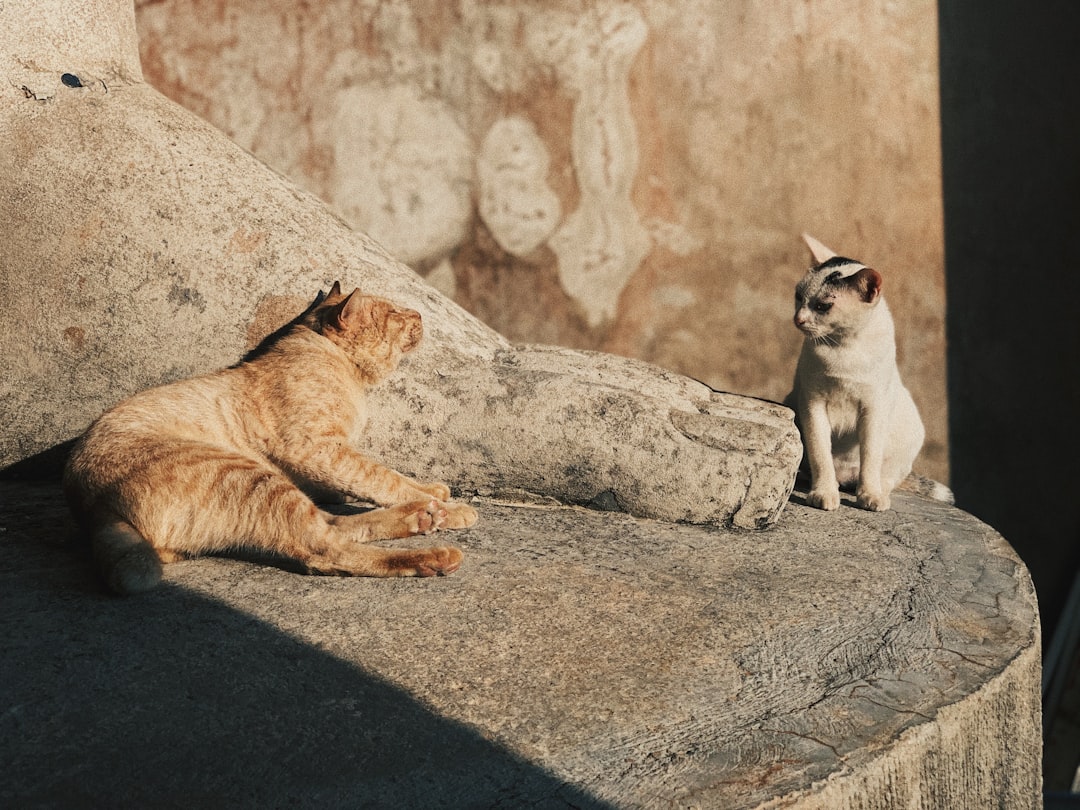
The old town of Kotor is enclosed by medieval walls approximately 4.5 kilometers long, built and expanded between the 9th and 18th centuries. Inside this perimeter, traffic is absent, and the predominant sounds are those of footsteps on the stone, conversations at the tables of the bars, and, occasionally, the bell tower of the Cathedral of Saint Tryphon, the patron saint of the city, which dates back to the 12th century. The real cats, those that live in the streets, move between the legs of passersby with a familiarity that tells of centuries of coexistence.
The early morning light, when the shops are opening and the tourists are still few, transforms the alleys into something almost unreal: the long shadows on the white stone, the noise of a shutter opening, the aroma of coffee filtering from a window. It is in these moments that the relationship between the city and its cats is felt most authentically, far from the afternoon crowd.
Practical tips for the visit
The best time to visit the Cats Museum and the artisan markets of Kotor is early in the morning, preferably before ten, when the old town is still fresh and relatively quiet. In the summer months, between July and August, cruises unload thousands of visitors during the central hours of the day, making the alleys difficult to navigate calmly. Walking from the main gate, the Sea Gate, takes just a few minutes.
It is not necessary to book in advance for the museum, which accepts visitors with direct entry. It is worth bringing some cash for purchases in the artisan workshops, where electronic payment is not always available. Allow at least half a day to combine the museum visit with a stroll through the alleys and a stop at one of the historic bars in the central square; this is the most sensible choice to not miss anything in this compact yet detail-rich corner.


