
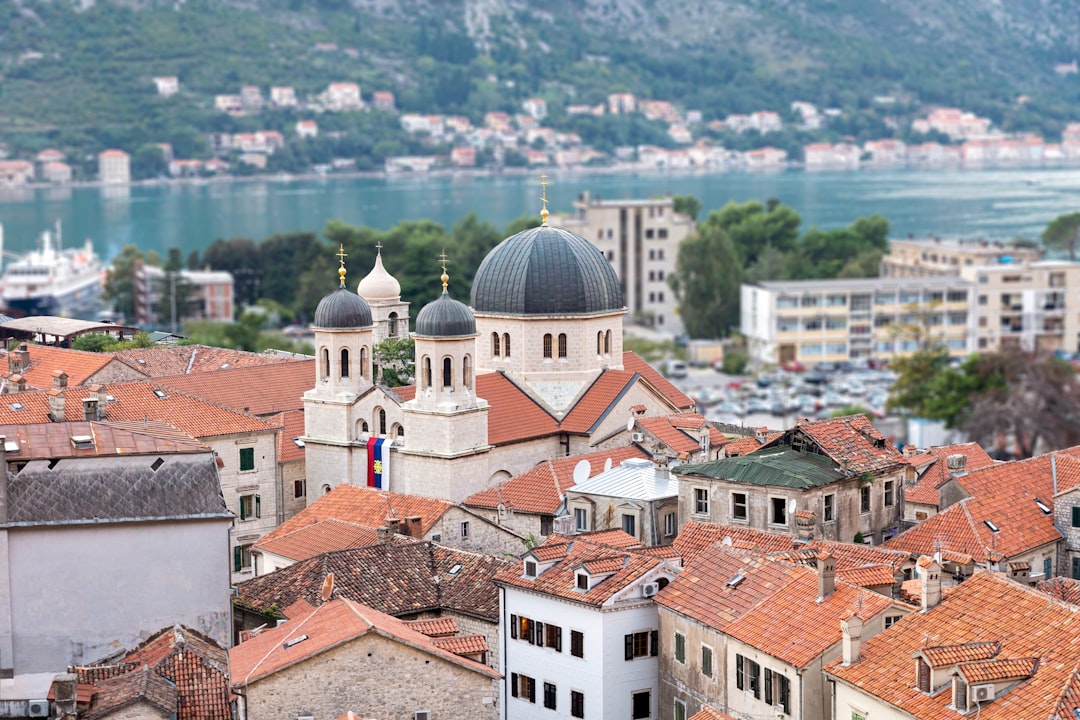

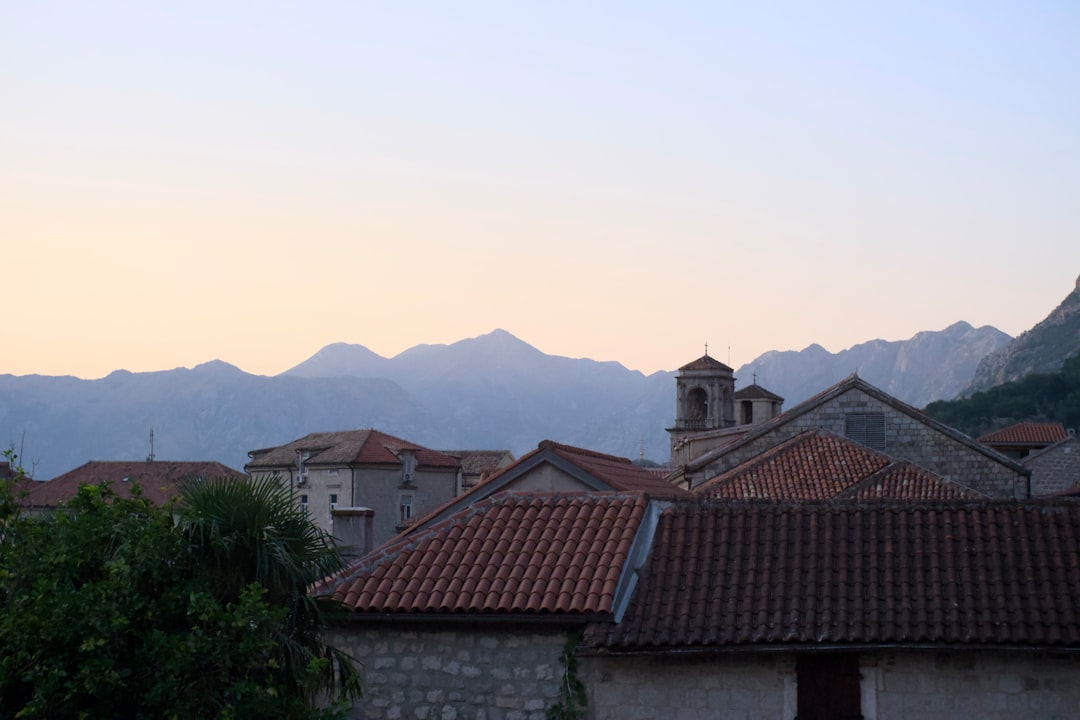
The walls of Kotor rise vertically along the limestone rock of Mount San Giovanni as if the stone itself had decided to defend the city. Walking along the ancient Venetian fortifications means traversing almost 4.5 kilometers of bastions that enclose one of the best-preserved medieval historic centers of the eastern Adriatic. The old town of Kotor, listed as a UNESCO World Heritage Site since 1979, does not just show its past: it still inhabits it, with laundry hanging between 15th-century buildings and cats sleeping on the steps of Byzantine churches.
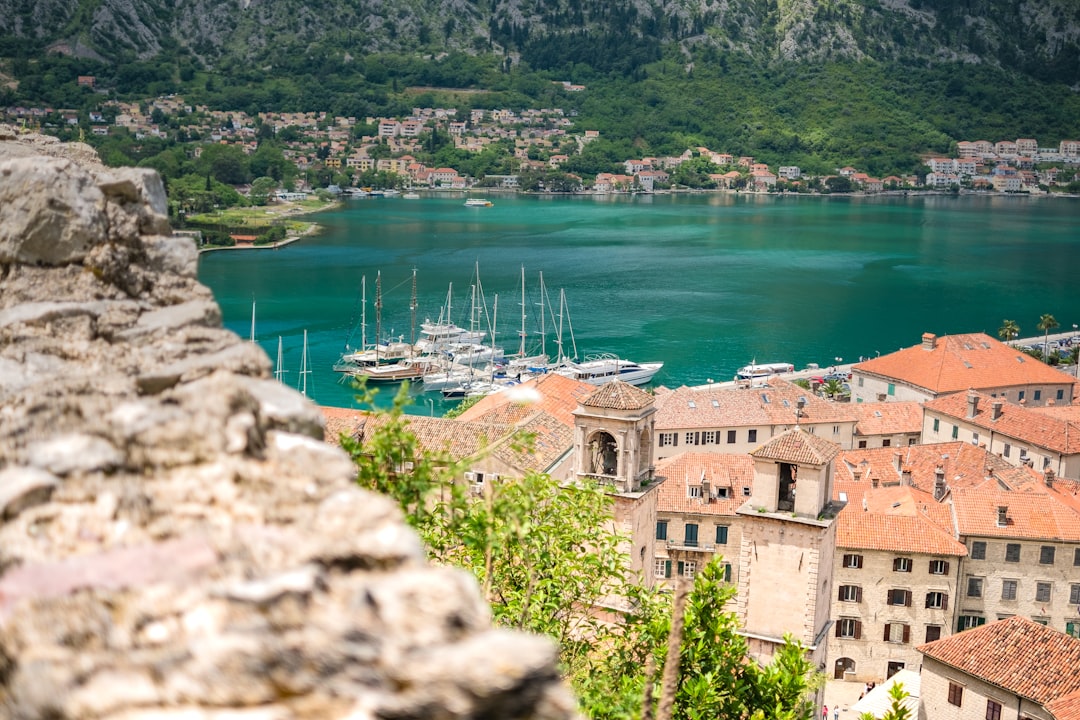
The geographical context is extraordinary in itself. Kotor is located at the end of the Bay of Kotor, a system of bays that geographers debate whether to call a fjord or ria, but which visually resembles the Norwegian fjords: dark water, mountains plunging into the Adriatic, villages clinging to the rocky walls. This position has made the city a strategic point contested for centuries by Byzantium, medieval Serbian kings, Venice, and finally Austria-Hungary, leaving traces of overlapping dominations on every alley and every facade.
The Venetian architecture in the heart of the city
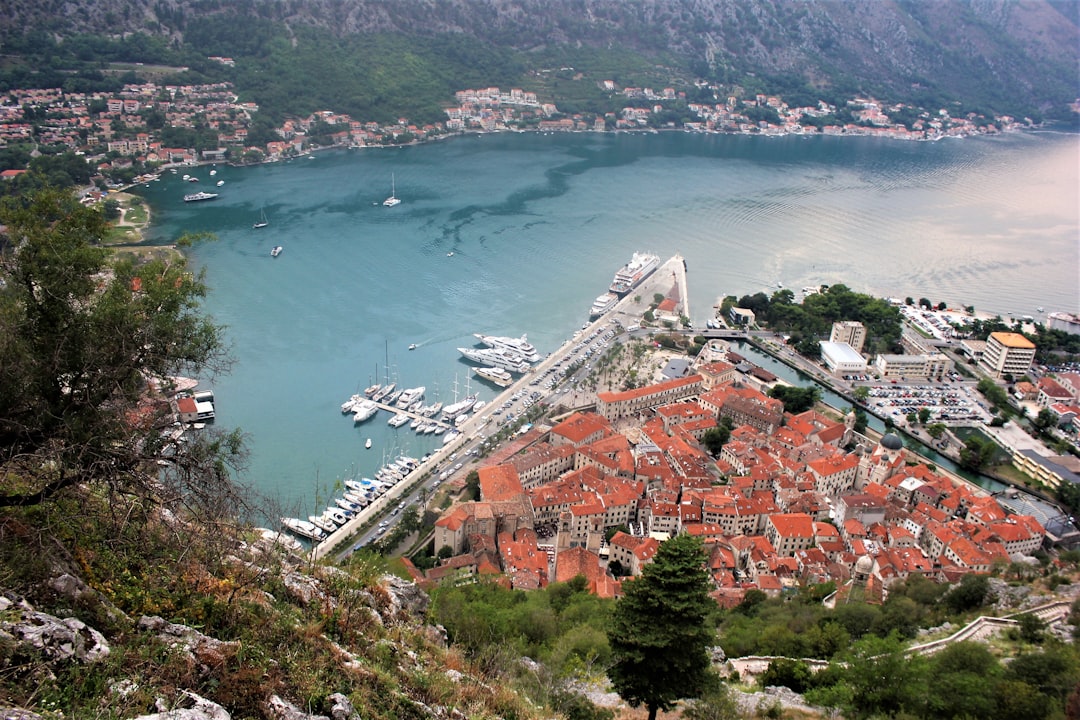
The Marina Gate, built in 1555, is the main entrance to the old city and still bears the carved lion of Saint Mark, symbol of the Republic of Venice that ruled Kotor for almost four centuries, from 1420 to 1797. Crossing this threshold, one finds themselves in a maze of cobblestone alleys where the ground floor of the buildings houses shops and cafes, while the upper floors display Gothic biforas and gray stone balconies typical of Dalmatian architecture.
The Arms Square, the pulsating heart of the old city, is dominated by the Clock Tower, erected in 1602. Next to it stands the Cathedral of Saint Tryphon, the patron saint of the city, whose construction began in 1166 according to historical sources, although the building has been remodeled several times after the earthquakes that struck the region. Inside, the Romanesque ciborium and fragments of medieval frescoes are among the details worth seeking out carefully.
The walls and the climb to the San Giovanni fortress
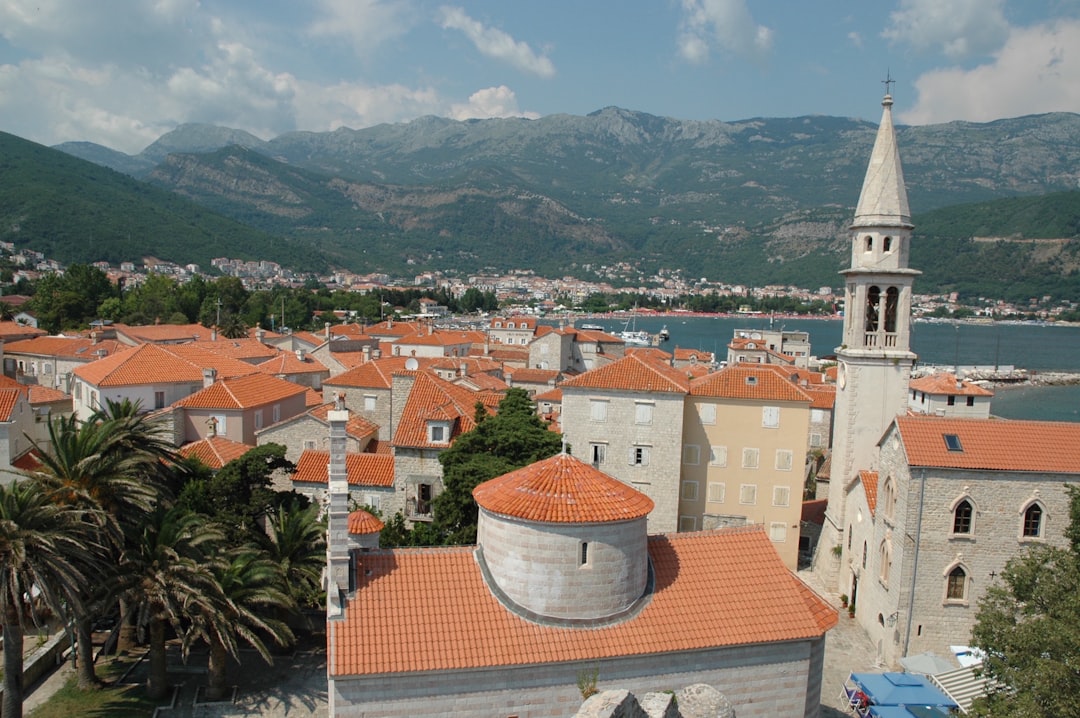
The walk along the walls is one of the most physically demanding and visually rewarding experiences that Kotor offers. It starts from the River Gate, in the northern part of the city walls, and climbs through about 1,350 steps to the ruins of the San Giovanni Fortress, located at 260 meters above sea level. The route typically takes between 45 minutes to an hour and a half depending on the pace, and along the way, you will find the Church of Our Lady of Health and the Church of San Giovanni.
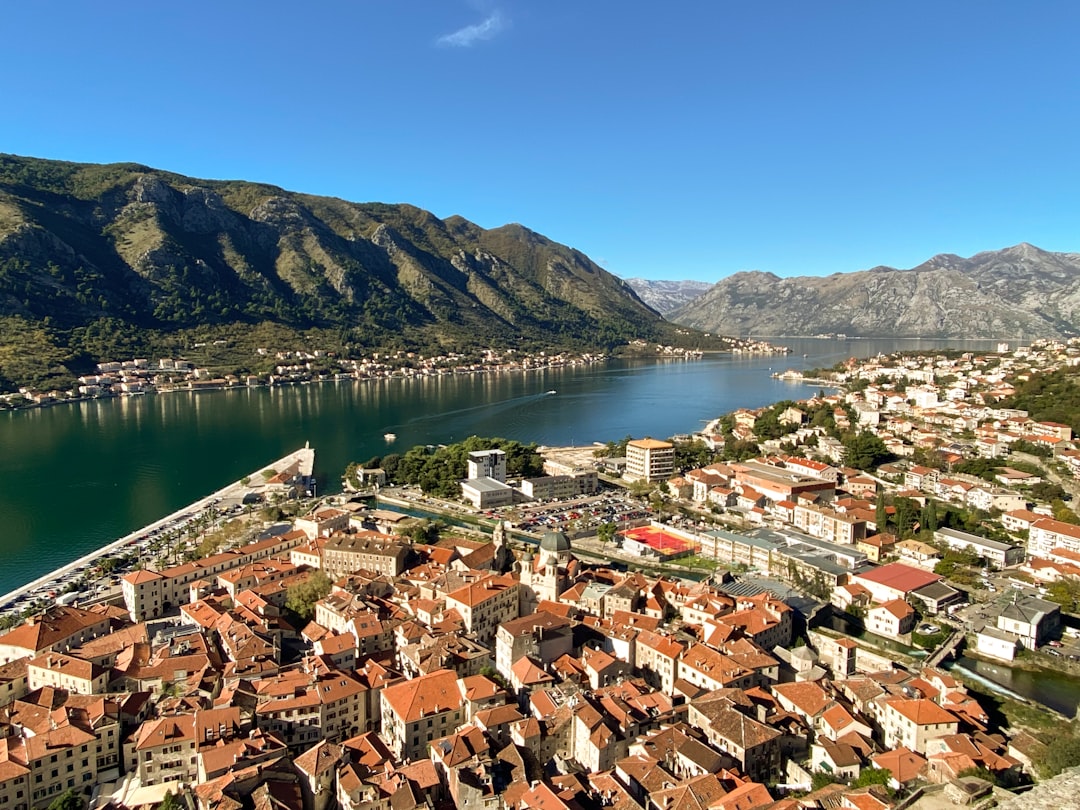
The entrance ticket for the walls costs about 8 euros for adults, a fee that includes access to the entire route. The view from the top rewards every step: the Bay of Kotor opens to the west like a painting, with the islet of San Giorgio emerging from the dark water and the profiles of the mountains fading into the horizon. Those who suffer from vertigo will find some sections of the path quite exposed, with narrow steps and low railings.
The Byzantine Churches and Religious Heritage
Within the walls, there are about ten churches, many of which date back to the medieval period. The Church of San Luca, built in 1195, is a particularly interesting example because it was used for centuries by both Catholics and Orthodox, and still preserves two altars that testify to this coexistence. The small size of the building, with its semicircular apse and the bricks alternating with stone, is characteristic of the Adriatic Romanesque.
The Church of Santa Maria Collegiata and that of San Michele complete a religious itinerary that can be traversed almost without noticing, as the churches are scattered among the houses like natural elements of the urban fabric. Many are open only at certain times and some require a small contribution for entry.
Practical tips for visiting Kotor
The best time to climb the walls is in the early hours of the morning, before 9:00 AM, when the light is softer and the cruise ship passengers — who regularly dock in the port between April and October — have not yet invaded the alleys. In summer, the temperatures on the climb can become intense: plenty of water and lightweight hiking shoes are essential. In the low season, between November and March, many shops close but the city takes on a more authentic and quiet atmosphere.
Kotor can be reached by bus from Dubrovnik in about two and a half hours, or from Tivat airport, which is only about fifteen kilometers away. Parking outside the walls is mandatory: cars cannot enter the old town. Those who want to sleep within the walls will find several bed and breakfasts located in historic buildings, an experience that completely changes the perception of the place once the day visitors leave.


