
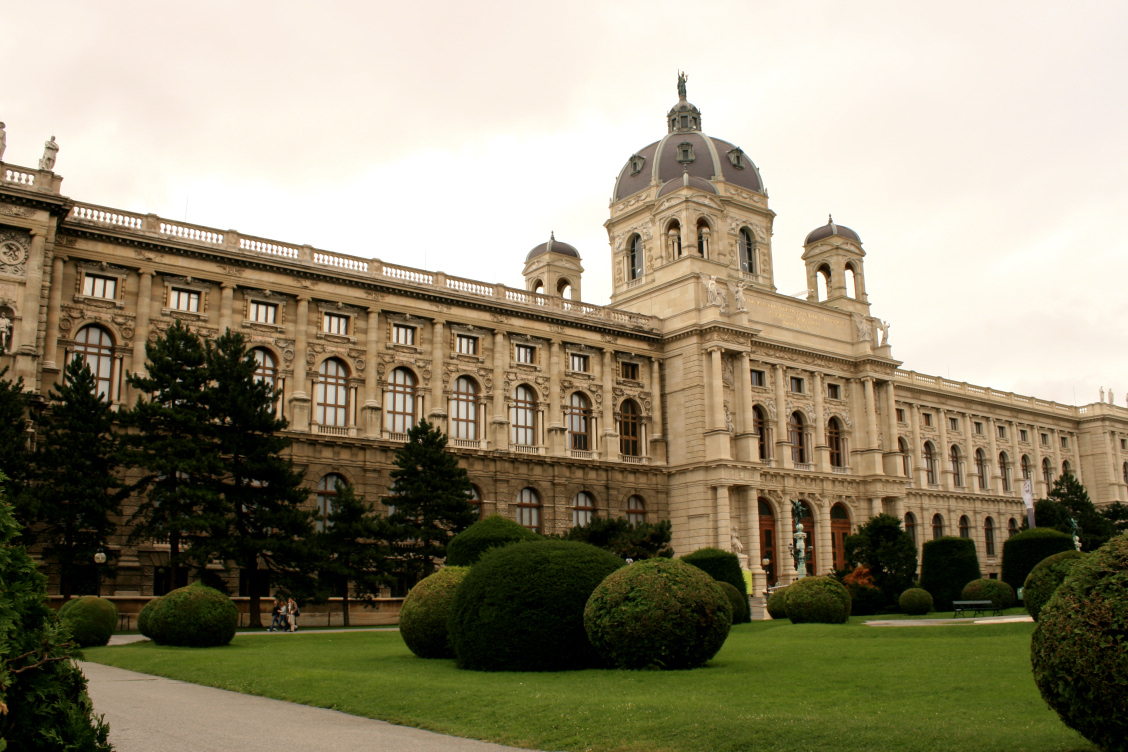

Nestled in the heart of Vienna, the Kunsthistorisches Museum stands as a testament to the city’s rich artistic heritage and imperial history. As one of the largest and most significant art museums in the world, it beckons art lovers and casual visitors alike to explore its treasures.
The origins of the Kunsthistorisches Museum date back to the 19th century during the reign of Emperor Franz Joseph I. Opened in 1891, the museum was established to showcase the vast art collection amassed by the Habsburg dynasty. This initiative coincided with the construction of the nearby Natural History Museum, both designed by renowned architects Gottfried Semper and Karl von Hasenauer. The museum’s striking Renaissance Revival architecture, characterized by its ornate sandstone façade and a grand octagonal dome rising 60 meters, reflects the ambition of an empire eager to display its cultural supremacy to the world.
Inside, the Kunsthistorisches Museum excels in showcasing an impressive collection that spans centuries and continents. Visitors can marvel at masterpieces from celebrated artists, including Caravaggio, Raphael, and Vermeer. The museum’s Picture Gallery houses the largest collection of Bruegel paintings in the world, while the Egyptian and Near Eastern Collection features artifacts that tell stories of ancient civilizations. The lavishly decorated interiors, adorned with marble, stucco, and gold-leaf detailing, add to the grandeur of the experience, creating an atmosphere that feels both sacred and celebratory.

Culturally, the museum is not merely a repository of art; it is a hub of Viennese traditions and customs. The city’s annual Vienna Art Week often highlights the museum, inviting contemporary artists to engage with the historic collections. Additionally, the museum participates in local cultural events, fostering a dialogue between the past and present. The Kunsthistorisches Museum is also a popular venue for educational programs, workshops, and lectures that deepen the public’s appreciation for art and history.
When it comes to gastronomy, the museum’s café offers a taste of Viennese culinary tradition. Visitors can indulge in classic dishes such as Wiener Schnitzel or Sachertorte, a famous chocolate cake that originated in Vienna. The café’s ambiance, combined with traditional recipes, provides a delightful break during an art-filled day. Nearby, the streets of Vienna are lined with heurige (wine taverns), where you can sample local wines like Grüner Veltliner alongside regional delicacies.
For those looking for hidden gems, the Kunsthistorisches Museum holds several lesser-known treasures. One such curiosity lies in the Collection of Ancient Musical Instruments, showcasing unique pieces that span centuries. Additionally, while many visitors flock to the more famous artworks, the museum is home to a series of lesser-known yet equally compelling pieces, like the works of Hans von Aachen, which reveal the eclectic tastes of the Habsburgs. Look closely at the grand stairway, where paintings by Gustav Klimt and others tell stories of Vienna’s artistic evolution.
To make the most of your visit, consider timing your trip during weekdays or the shoulder seasons of spring and fall when the crowds are thinner. The museum offers guided tours that provide deeper insights into the collections, but wandering through at your own pace can also yield delightful surprises. Don't miss the Egyptian Museum, where the ancient mummies and artifacts captivate the imagination.
In conclusion, the Kunsthistorisches Museum is not just a destination for art enthusiasts; it is a vibrant cultural institution that embodies the spirit of Vienna. From its stunning architecture and vast collections to the culinary delights nearby, it invites visitors to immerse themselves in the city’s rich history and artistic legacy. For a personalized itinerary that captures the essence of this historic city, consider using the Secret World app to plan your visit to Wien.


