
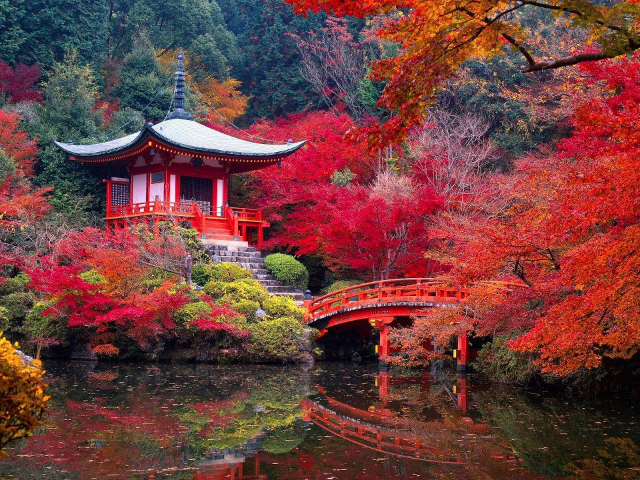

Nestled in the heart of Kyoto, the serene Saihoji Temple, also known as Kokedera or the Moss Temple, offers visitors a profound connection to Japan's rich cultural tapestry. This sacred site, steeped in history and breathtaking beauty, invites exploration not only of its lush gardens but also of its storied past.
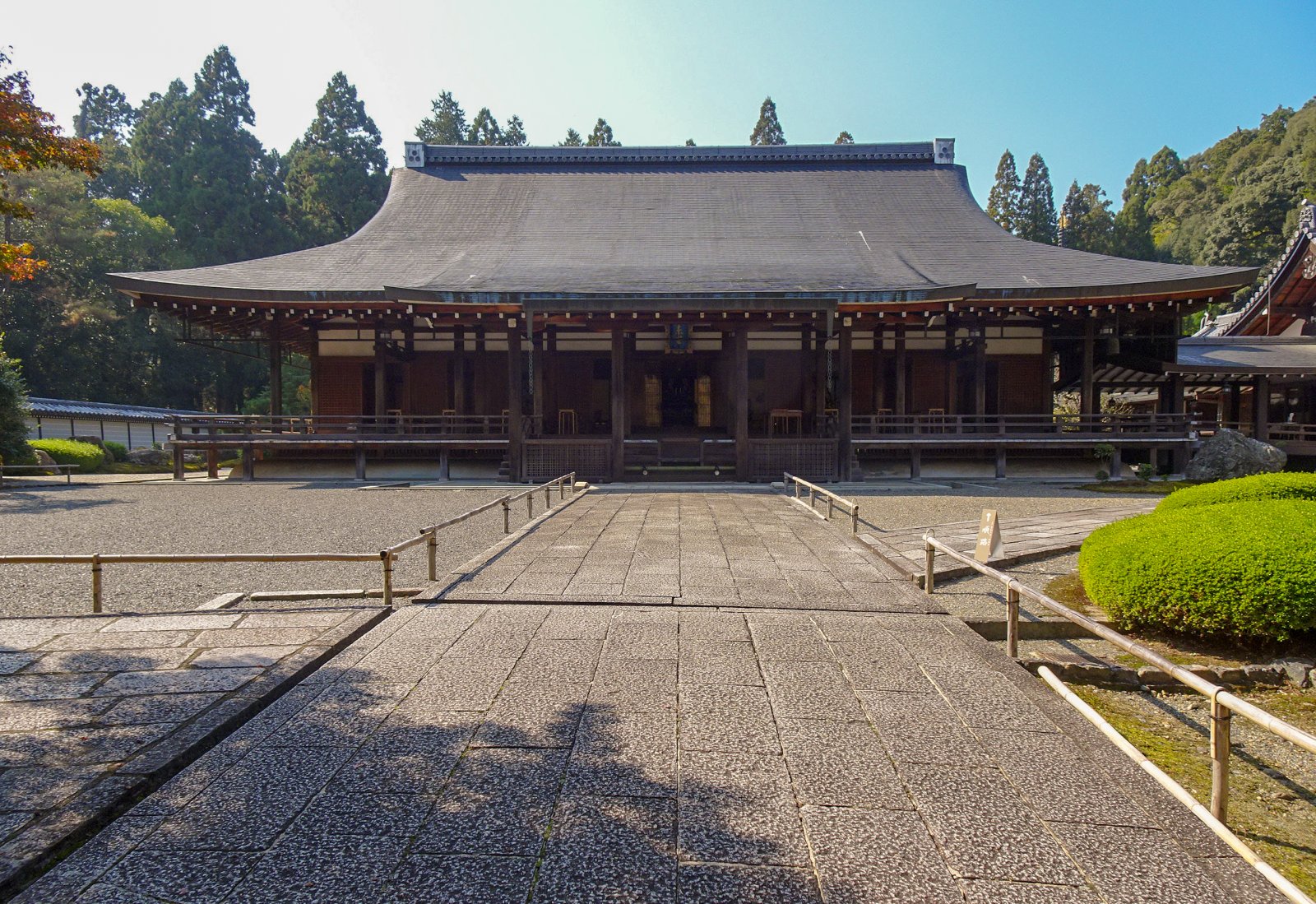
The origins of Saihoji date back to the Nara Period, over thirteen hundred years ago, when it was founded by the esteemed priest Gyōki at the behest of Emperor Shōmu. Interestingly, before becoming a temple, this land was believed to be a villa of Prince Shōtoku, a significant figure in Japan's early history known for promoting Buddhism. The temple's evolution continued throughout the Heian Period, when the revered monk Kōbō Daishi temporarily resided here.
By the Kamakura Period, the temple transitioned to a Jōdo Sect temple under the influence of Hōnen, a pioneering figure in Pure Land Buddhism. However, it was the year 1339 that marked a pivotal transformation for Saihoji when Musō Kokushi, a prominent Zen master, revived it as a Zen temple, encouraged by Fujiwara Chikahide, the chief priest of Matsunō Shrine. His influence attracted many, including notable figures like Ashikaga Yoshimitsu and Yoshimasa, both of whom sought to practice Zazen in this tranquil setting.
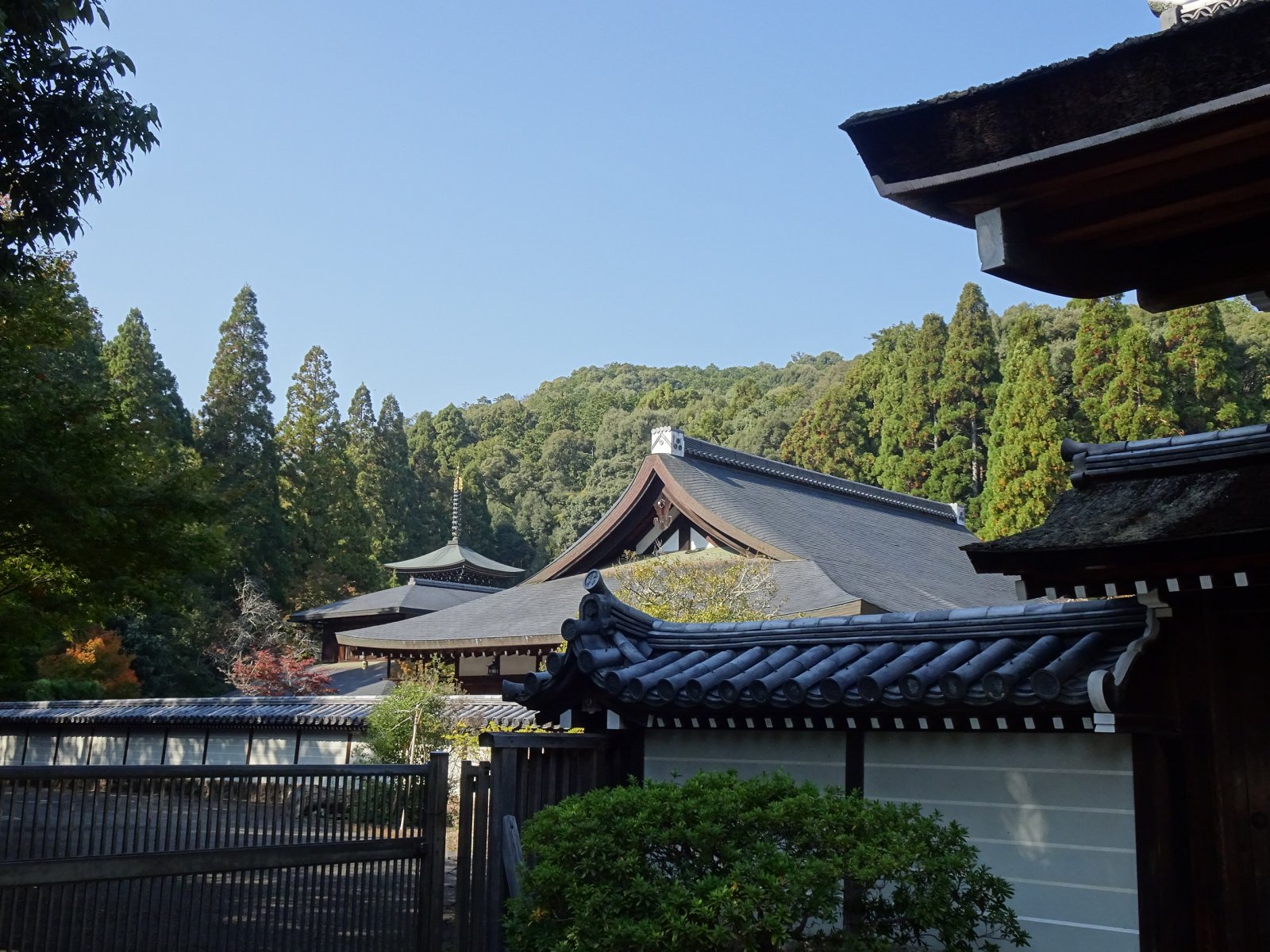
The architectural style of Saihoji reflects the essence of Muromachi Period aesthetics, characterized by simplicity and harmony with nature. The temple’s structures, predominantly made of wood, harmonize beautifully with the surrounding landscape. The most notable feature is the garden, sprawling over 35,000 square meters, which is meticulously adorned with moss, a testament to the Japanese appreciation for natural beauty. This garden is considered a prototype for later celebrated temples like Kinkakuji and Ginkakuji, embodying the ideals of Zen philosophy in its design.
As one strolls through the garden, they are greeted by an array of sumptuous green moss, which has earned the temple its nickname, Kokedera. The garden was designed to evoke a peaceful atmosphere, where seasonal changes are subtly reflected in the foliage. Visitors are encouraged to engage in quiet contemplation, allowing the environment to inspire a sense of calm and introspection.
Culturally, Saihoji is not just a place of worship but also a repository of traditional practices and local customs. The temple's significance is underscored by its inclusion in the list of Historic Sites and Places of Scenic Beauty in Japan, and its designation as a UNESCO World Cultural Heritage site in 1994. Every spring, the temple hosts Zazen sessions, attracting practitioners from around the globe who come to experience the meditative practices in this historic setting.
When it comes to gastronomy, the areas surrounding Saihoji offer traditional Kyoto cuisine, a reflection of the city’s rich culinary heritage. Visitors can indulge in yudofu, a simple yet exquisite dish featuring tofu simmered in a light broth, often enjoyed in the serene atmosphere of local tea houses. Additionally, matcha (green tea) is a staple, served in various forms, from traditional tea ceremonies to desserts that highlight its unique flavor.
While many tourists flock to the temple for its renowned moss garden and historical significance, fewer are aware of the practice of moss cultivation that takes place here. The monks tend to the moss, ensuring it remains lush and vibrant, a task that requires patience and dedication. Furthermore, the temple has a unique ritual whereby visitors can participate in a calligraphy experience, allowing them to connect with the spiritual essence of the temple while practicing an ancient art form.
For those wishing to visit Saihoji, the best time is during the spring (March to May) and autumn (September to November) when the garden is at its most picturesque. Early morning visits are recommended to avoid crowds and to fully appreciate the tranquil ambiance. It's essential to note that access to the temple is limited; visitors must reserve their visit in advance, ensuring a more intimate experience with this sacred site.
As you embark on your journey to explore the depths of Kyoto’s history and beauty, let Saihoji Temple guide you through a landscape of serenity and spirituality, where every stone and leaf tells a story. To create a personalized itinerary that captures the essence of your visit, consider using the Secret World app for tailored recommendations to enhance your Kyoto experience.


