
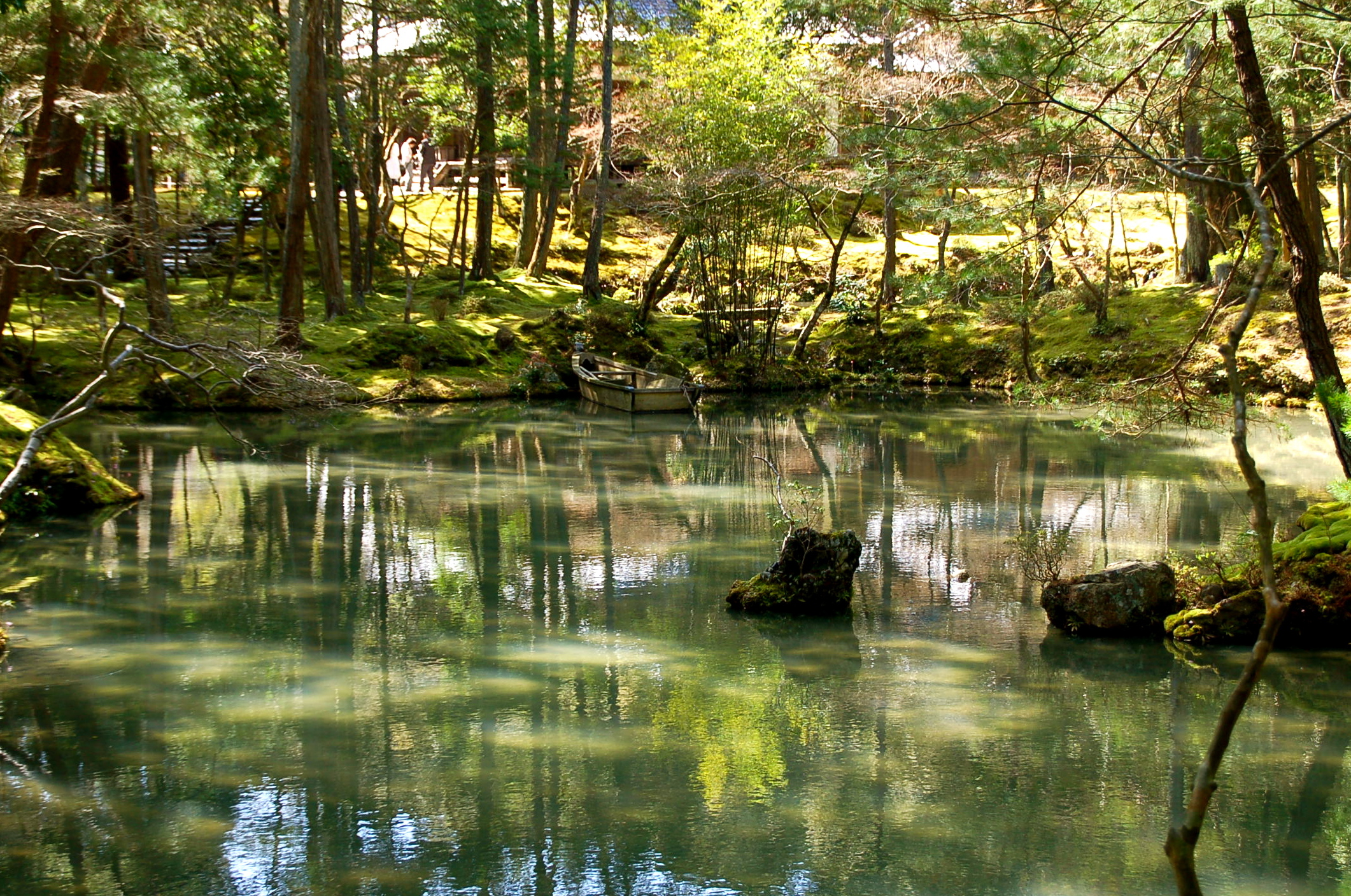

Nestled within the serene landscapes of Kyoto, Saihoji, commonly referred to as Kokedera or the Moss Temple, is a UNESCO World Heritage Site that draws visitors into a world of tranquility and beauty. This enchanting temple is not only renowned for its lush gardens but also for its rich history and cultural significance.
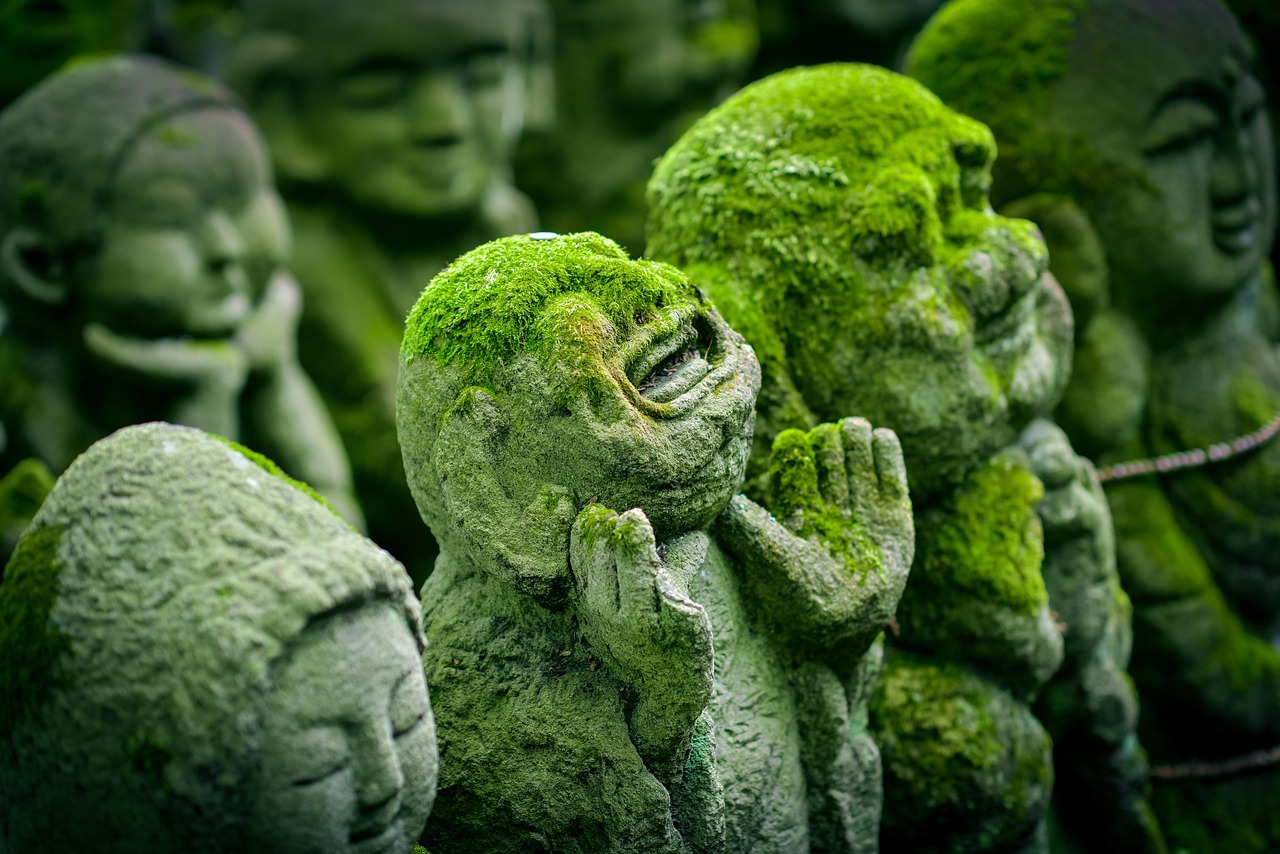
History and Origins The origins of Kokedera trace back to the Nara Period (710-794), when it was initially established as the villa of Prince Shotoku, a pivotal figure in Japanese history known for promoting Buddhism and the arts. Over the centuries, it transitioned from a royal retreat to a temple, reflecting the profound spiritual heritage of the region. In 1339, the temple underwent significant renovations under the guidance of Muso Soseki, a revered Zen priest and garden designer who transformed Kokedera into a Zen temple. Muso's impact on the garden design was revolutionary, as he integrated the natural landscape into the spiritual experience of the temple, laying the groundwork for subsequent Japanese garden styles.
Art and Architecture The architectural style of Kokedera reflects traditional Japanese Zen aesthetics—simplicity and harmony with nature. The main hall, or hondo, embodies these principles with its understated elegance, allowing the surrounding gardens to take center stage. The gardens themselves, featuring an impressive array of nearly 120 different varieties of moss, create a lush tapestry that changes with the seasons. Visitors can meander along winding paths, taking in the subtle beauty of the moss-covered stones and carefully placed rocks, all of which serve a purpose in the broader design. Notable artworks include the intricate stone lanterns and water basins that dot the landscape, each telling a story of reverence and tranquility.
Local Culture and Traditions Kokedera holds a special place in the local culture of Kyoto, recognized not only for its beauty but also for its spiritual significance. The temple is an active site for Zen practices, and visitors are often encouraged to engage in meditation, allowing them to connect deeply with the serene environment. In addition to its spiritual activities, Kokedera participates in traditional Japanese tea ceremonies, where the art of tea preparation is a meditative process itself. The temple also celebrates seasonal events, including the Hanami (cherry blossom viewing) in spring, when the contrast of vibrant blossoms and lush moss creates a breathtaking spectacle.
Gastronomy Kokedera’s location in Kyoto, a city famous for its culinary heritage, offers visitors a chance to explore the local gastronomy. Traditional dishes such as yudofu (tofu hot pot) and kaiseki (a multi-course meal) can often be found in nearby restaurants, reflecting the temple's Zen philosophy of simplicity and freshness. Many establishments also serve matcha, a powdered green tea that is integral to Japanese tea culture, often enjoyed in a serene setting reminiscent of Kokedera’s tranquil gardens.
Lesser-Known Curiosities While many visitors marvel at the lush moss gardens, few know that the temple also features a unique calligraphy practice. Upon entering Kokedera, guests are required to write a sutra, a practice that fosters mindfulness and a deeper connection to the temple’s spiritual essence. Additionally, the moss itself has a rich symbolism in Japanese culture, representing resilience and harmony with nature. The careful cultivation of the moss garden has become a symbol of the temple’s commitment to preserving the environment and the beauty of natural landscapes.
Practical Visitor Information To experience Kokedera, visitors must plan ahead, as access to the temple requires a reservation made by mail. It’s advisable to book several weeks in advance, especially during peak seasons like cherry blossom time or autumn foliage. The best time to visit Kokedera is during the mid-spring (April) and early autumn (November), when the gardens are at their most vibrant. Once there, take your time to explore the garden’s various paths, each offering unique perspectives of the lush greenery and serene water features. Don’t forget your camera, as every corner presents a picturesque moment waiting to be captured.
In conclusion, Kokedera is not just a temple; it’s a journey into the heart of Japanese culture, spirituality, and artistry. For an enriched experience of Kyoto, consider using the Secret World app to craft a personalized itinerary that includes the wonders of Kokedera.


