
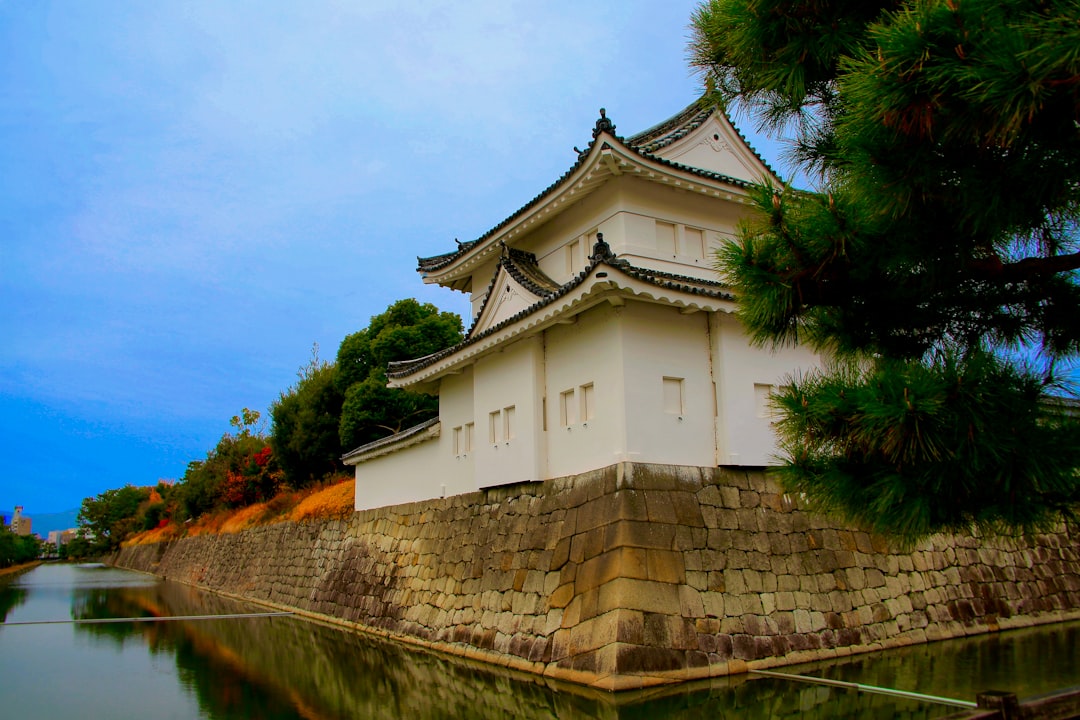

In the heart of Kyoto, Nijo Castle stands as a silent witness to Japanese history, reflecting the magnificence and complexity of a bygone era. Built in 1603 as the residence of the first shogun Tokugawa Ieyasu, this castle is a perfect example of traditional Japanese architecture, set in a natural context that enhances its beauty. Today, Nijo Castle is a UNESCO World Heritage site, attracting visitors from around the world eager to immerse themselves in Japan's culture and history.
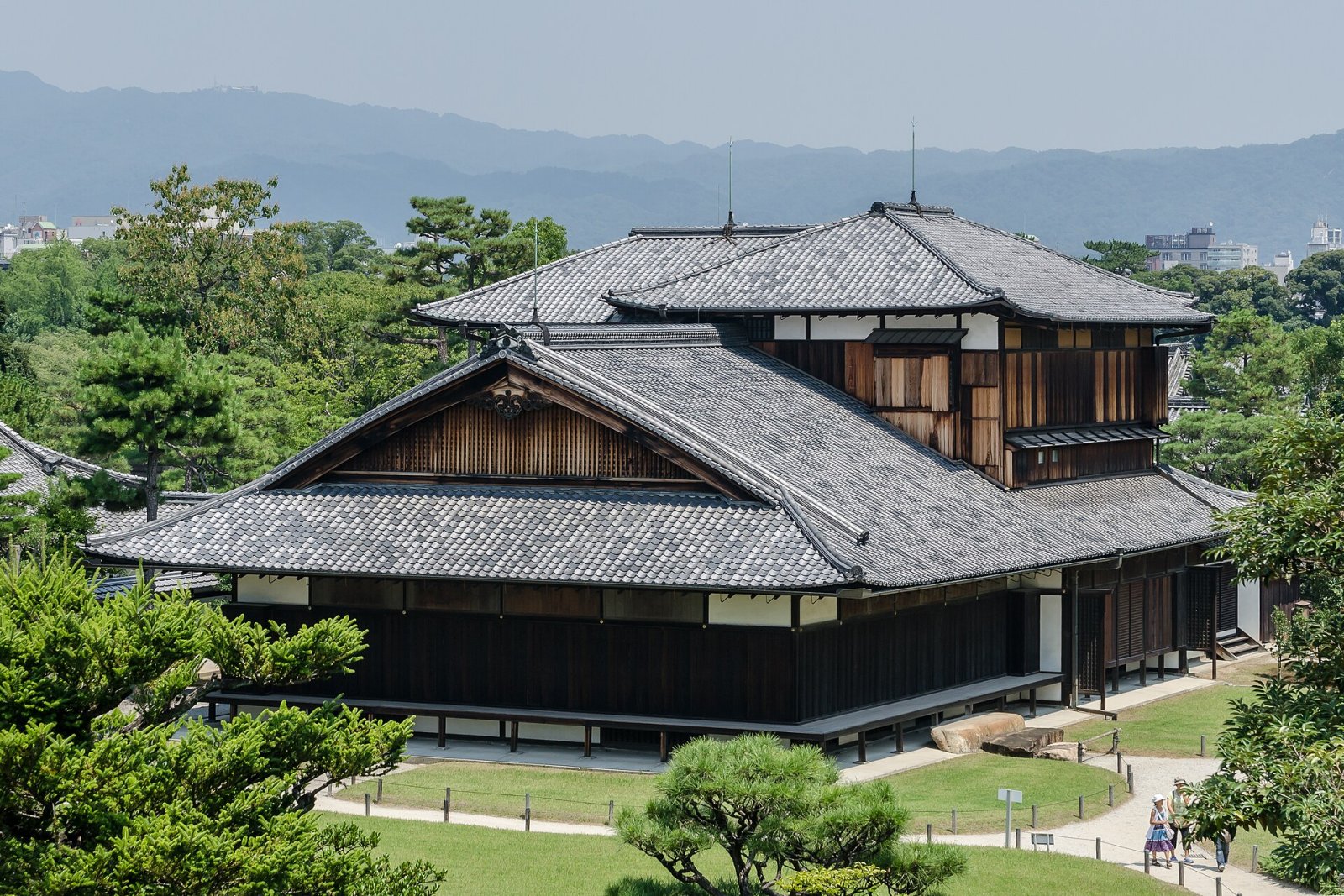
A visit to the castle offers a unique opportunity to discover not only the grandeur of its structures but also the stories hidden behind its walls. The fusion of Japanese architectural elements and Chinese influences makes Nijo a fascinating place, where every corner tells a story of power and beauty, of peace and conflict.
History and Origins
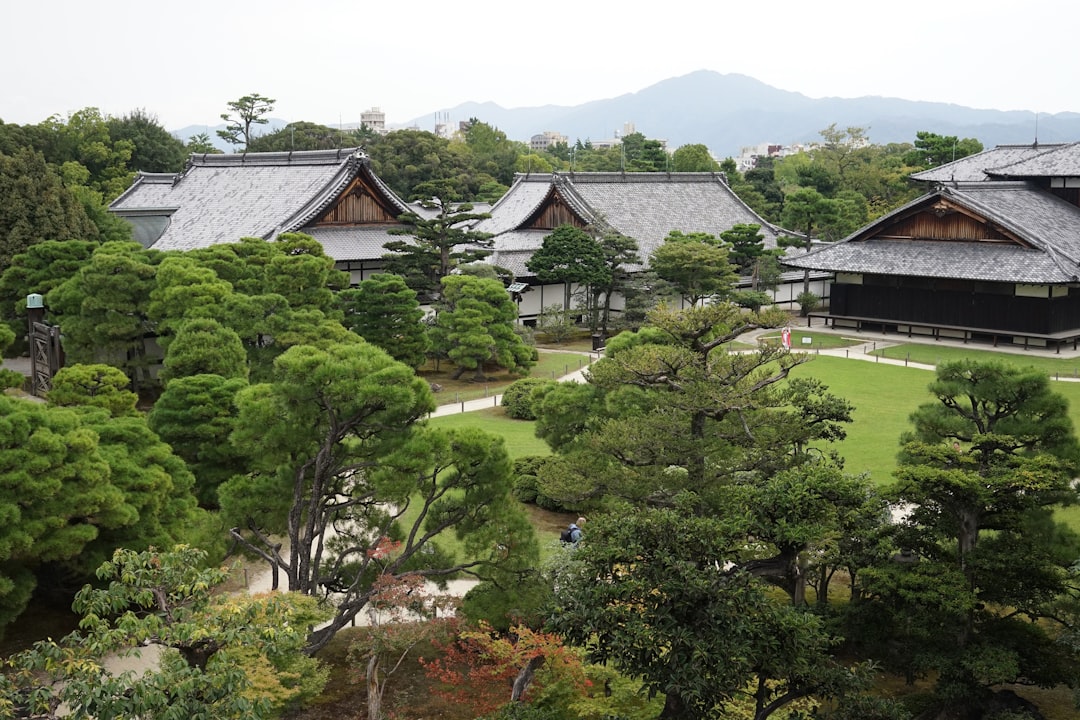
Nijo Castle was built as the residence of shogun Tokugawa Ieyasu, marking the beginning of the Tokugawa dynasty that ruled Japan for over 250 years. Its construction represents a response to the political and strategic needs of the time, serving as a symbol of shogunal power. The structure was designed to impress and intimidate, with its vast courtyards and intricate decorations reflecting the prestige of the Tokugawa family.
Over the centuries, the castle has undergone numerous changes and restorations, yet its essence remains intact. During the Edo period, Nijo was used as a venue for imperial visits and official events, helping to cement its central role in Japanese political life. Today, visitors can admire not only the architecture but also the gardens surrounding the castle, designed to harmoniously integrate natural beauty with human craftsmanship.
Elements to Observe
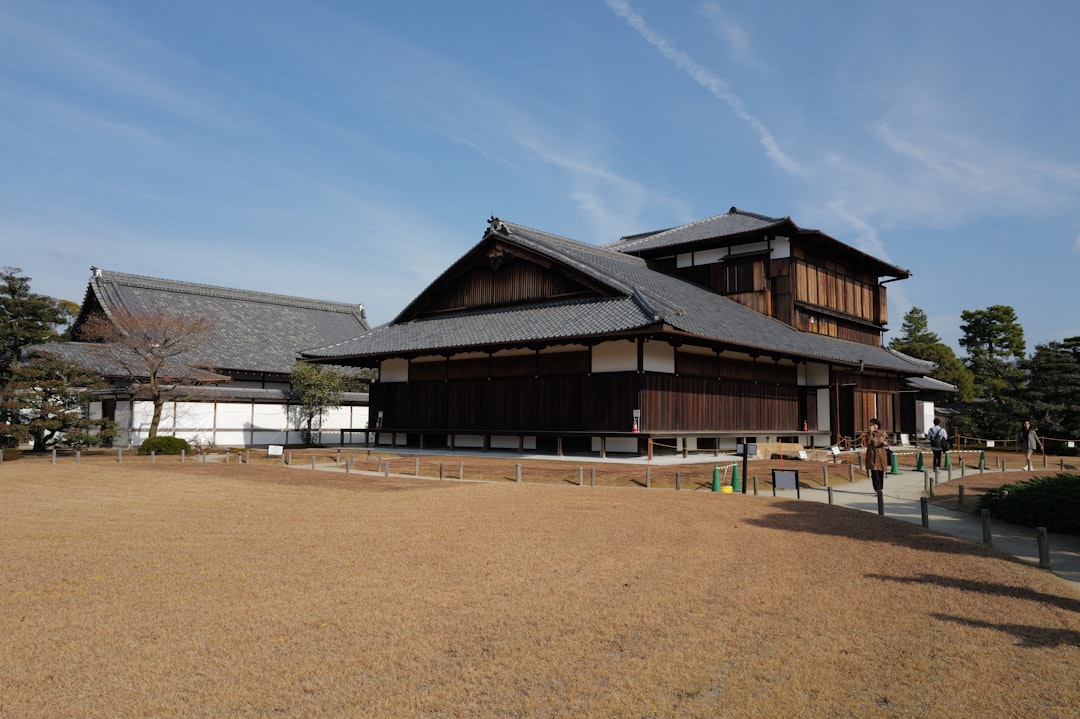
One of the most fascinating features of Nijo Castle is its "nightingale floors," designed to emit a sound similar to that of birds when walked upon. This innovative security measure served to prevent intrusions, but today it is one of the castle's most curious attractions. Visitors can experience the thrill of walking on these floors while listening to their melodious song.
Additionally, the castle's rooms are adorned with beautiful paintings and gold decorations, offering a glimpse into the artistic mastery of the era. The main rooms, such as the throne room, are decorated with natural motifs and historical scenes, creating an atmosphere of great elegance and refinement. Every detail, from the tatami mats to the folding screens, tells a story of Japanese art and culture.
Why It Is Interesting Today
Nijo Castle is not only a place of historical interest but also a symbol of Japan's cultural resilience. In an era where modernity threatens to overwhelm traditions, Nijo represents a refuge for those who wish to understand the country's historical roots. Its importance is further emphasized by the fact that Kyoto, with its cultural heritage, has recently been recognized as Japan's cultural capital.
Visiting Nijo today means immersing oneself in an atmosphere that transcends time, where history blends with the beauty of the present. The cultural events and temporary exhibitions held at the castle offer visitors the opportunity to experience Japanese culture in an authentic and engaging way, making each visit a unique and memorable experience.
Practical Information for Visitors
Nijo Castle is easily accessible from the main points of Kyoto, thanks to an efficient public transport network. Visitors can explore the castle year-round, with special openings during the cherry blossom and autumn leaf seasons, when the gardens transform into a true spectacle of colors. It is advisable to plan the visit in advance to fully enjoy the wonders that the castle has to offer.
Moreover, for those who wish to deepen their experience, an app called Secret World is available, providing detailed information and tips for exploring Nijo Castle and other wonders of Kyoto. This tool can enrich the visit, making every moment even more meaningful.


