



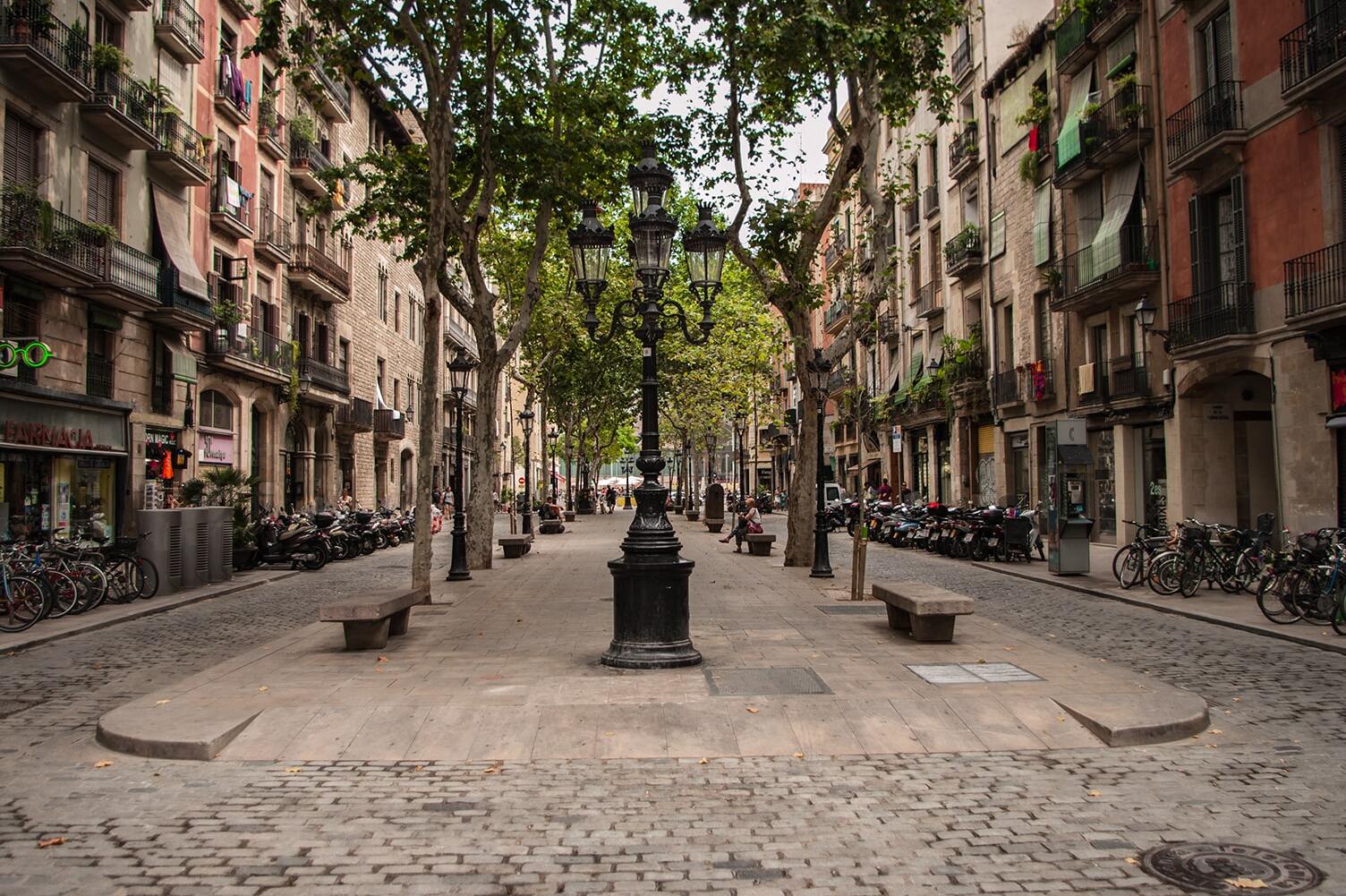
If you’re seeking a neighborhood that pulses with creativity and rebellion, look no further than La Ribera, one of Barcelona's most vibrant districts. Nestled between the iconic Ciutadella Park and the bustling Gothic Quarter, La Ribera is a captivating tapestry woven from the threads of history, art, and a spirited local culture that continues to thrive.
History and Origins
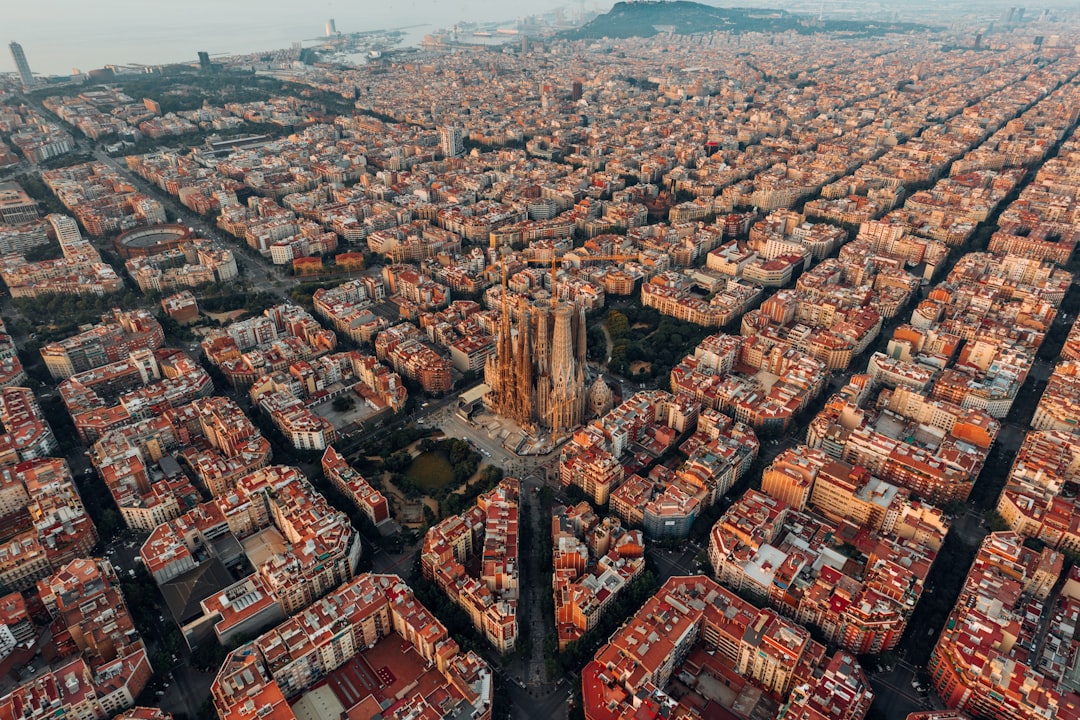
La Ribera's roots trace back to the 13th century, when it served as a bustling port area, vital to Barcelona's maritime trade. Originally part of the Old City, it became a haven for artisans and merchants drawn by the economic opportunities. The district gained prominence during the 14th and 15th centuries as the city expanded, leading to the construction of the Santa Maria del Mar church, a stunning example of Catalan Gothic architecture that still stands as a symbol of the community.
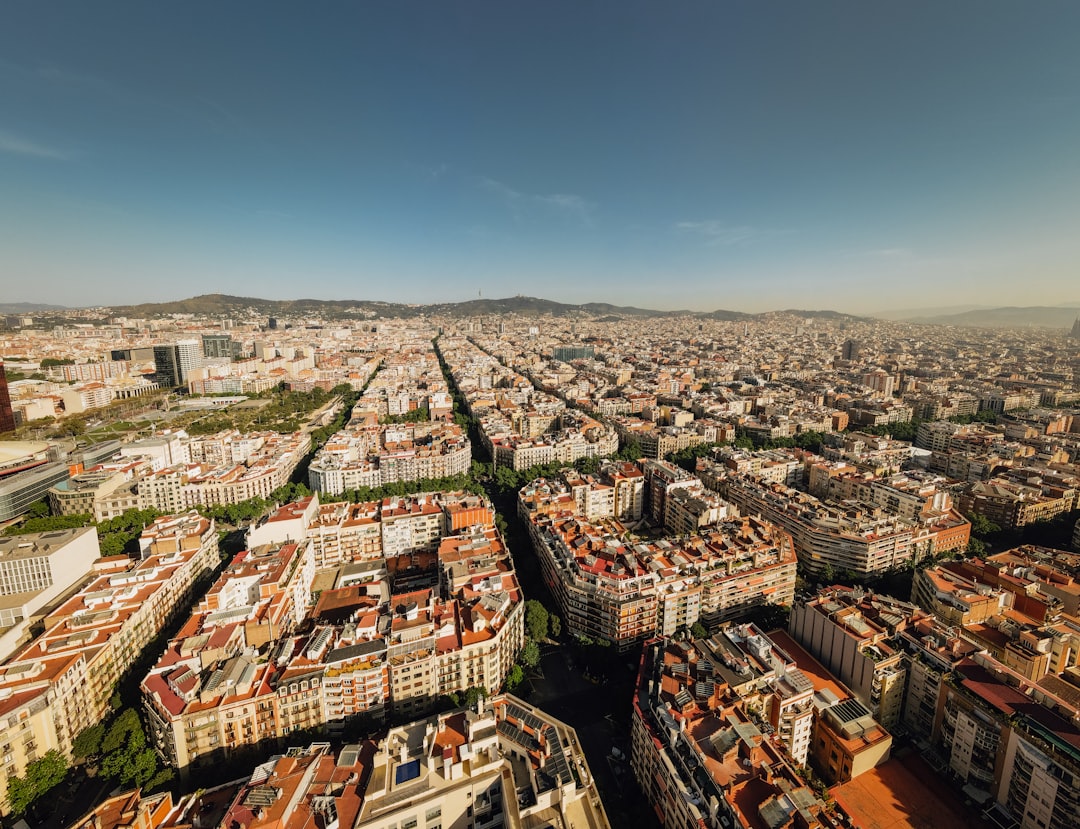
The 19th century saw La Ribera embrace more radical political movements; it became a hotbed for workers’ rights, anarchism, and Catalan nationalism. The neighborhood's streets were alive with protests and demonstrations, fueling the spirit of nonconformity that defines the area today. This rich history of rebellion continues to echo through its alleyways, attracting those who seek to express themselves freely.
Art and Architecture
La Ribera is a canvas of eclectic architecture and artistic expression. The modernista style, epitomized by the works of Antoni Gaudí and Lluís Domènech i Montaner, can be felt throughout the area. Notably, the Palau de la Música Catalana, a UNESCO World Heritage site, showcases the flamboyant and intricate designs that characterize this architectural movement. Its stained glass and mosaic tiles are not to be missed.
The district is also home to the Museu Picasso, which houses over 4,200 works by the legendary artist, emphasizing his deep ties to the city. The museum is set in five adjoining medieval palaces, providing a glimpse into both Picasso's evolution and the neighborhood's artistic heritage. Strolling through La Ribera, you will encounter countless murals and street art that reflect contemporary themes, making it clear that creativity is alive and well in this district.
Local Culture and Traditions
Cultural vibrancy is woven into the fabric of La Ribera. The annual Festa de la Mercè, held in September, showcases the district’s joyous spirit, featuring parades, fireworks, and traditional Catalan performances like the Castells (human towers). This festival transforms the streets into a lively celebration of local customs and community.
Moreover, the neighborhood is home to quirky traditions like Sants’ Festivities, where locals adorn streets with colorful decorations, turning the area into a mesmerizing display of creativity. The blend of traditional and modern practices reflects the nonconformist spirit for which La Ribera is known.
Gastronomy
When it comes to gastronomy, La Ribera tantalizes the senses with its array of culinary delights. The area is famous for its tapas bars, where you can savor local dishes like patatas bravas (spicy potatoes) and pintxos (small snacks on skewers). Don’t miss the chance to try escalivada, a traditional Catalan dish of grilled vegetables, often served with anchovies or goat cheese.
For a sweet treat, indulge in churros dipped in rich hot chocolate from one of the many cafés scattered throughout the district. Pair your culinary journey with a glass of cava, the local sparkling wine, or a refreshing vermouth, which is a staple in many bars and serves as the perfect accompaniment to your tapas experience.
Lesser-known Curiosities
While La Ribera is known for its vibrant streets and artistic flair, there are hidden gems that many tourists overlook. One such treasure is Carrer del Carme, a narrow street adorned with a stunning mural that tells the story of the neighborhood’s history through vibrant colors and shapes. Another intriguing spot is El Born Centre de Cultura i Memòria, an archaeological site that reveals the remnants of the 18th-century city, offering insight into the daily lives of its inhabitants.
Additionally, many are unaware that La Ribera was once home to Catalan poet Joan Maragall, whose influence on Catalan literature remains significant today. His former residence is a quiet reminder of the intellectual vibrancy that has long flourished in the area.
Practical Visitor Information
The best time to visit La Ribera is during the spring and fall when the weather is mild and the streets are filled with life. Be sure to wear comfortable shoes, as wandering through its winding streets is one of the most rewarding experiences you can have in Barcelona.
Look out for local artisan shops, galleries, and the historic Mercat del Born, where you can sample local produce and delicacies. Engaging with local residents can also enhance your experience, offering a glimpse into the district's ever-evolving narrative.
Embark on a journey through La Ribera, where nonconformity and originality reign supreme, and you'll discover a neighborhood that continues to inspire both locals and visitors alike. To truly capture the essence of this remarkable district, consider using the Secret World app to curate a personalized itinerary for your Barcelona adventure.
