
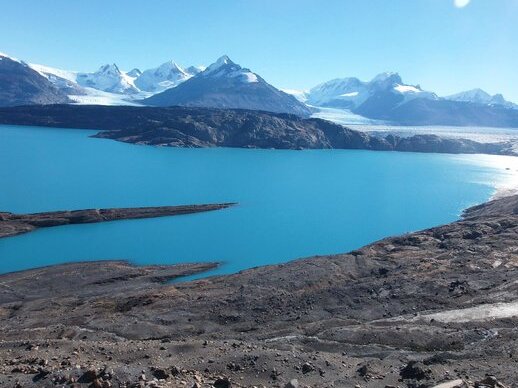

Nestled within the awe-inspiring Los Glaciares National Park in Argentina, Lago Guillermo offers one of the most breathtaking natural spectacles in the world. This serene lake, cradled by the rugged beauty of the Patagonian Andes, provides a privileged lookout point to witness the majesty of the Upsala Glacier, one of the park's star attractions. As you stand on the lake's edge, it's difficult not to feel a profound sense of wonder at the sheer scale and beauty of this icy frontier.
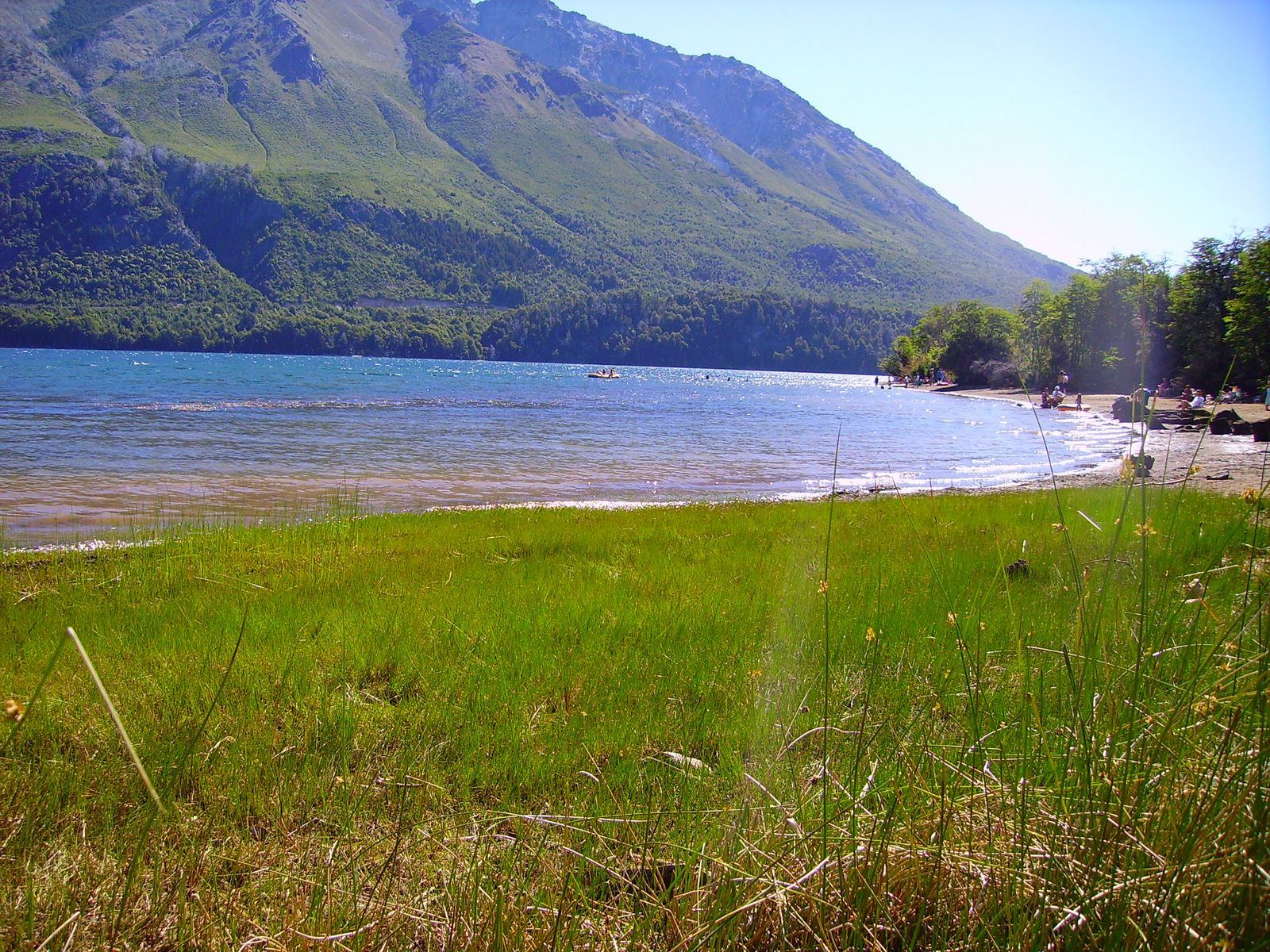
The history of Lago Guillermo and its surrounding landscapes is a narrative carved in ice and stone. The region was formed over millennia by glacial activity, which sculpted the valleys and lakes into their present forms. Inhabited for thousands of years by the native Tehuelche people, this area was later explored by European adventurers in the 19th century. In 1937, Los Glaciares National Park was established, recognizing the need to protect this unique environment. The park was declared a UNESCO World Heritage Site in 1981, highlighting its global importance.
Architecturally, while nature is the primary artist, the few man-made structures here blend harmoniously with the landscape. The park's visitor centers and trail facilities are designed in a rustic style, using local stone and wood to ensure they complement, rather than compete with, the natural surroundings. This approach reflects a broader Argentine commitment to preserving the pristine beauty of Patagonia.
Culturally, the region around Lago Guillermo is steeped in traditions that reflect both the indigenous heritage and the influence of European settlers. While there are no large urban settlements directly on the lake, nearby towns host vibrant festivals celebrating local folklore and history. The Fiesta del Lago Argentino, for instance, is a colorful event in nearby El Calafate, featuring music, dance, and traditional crafts that honor the area's rich cultural tapestry.
Gastronomically, the Patagonian region is a haven for food lovers seeking unique flavors. Visitors to this area can savor asado, a traditional Argentine barbecue that showcases the quality of local meats, particularly lamb and beef. Another local delicacy is Cordero Patagónico, a slow-cooked lamb dish renowned for its tenderness and flavor. Complementing these meals, a glass of Argentine Malbec or a taste of Calafate berry liqueur—made from the native berry said to ensure a return trip to Patagonia—makes for a perfect pairing.
For those seeking lesser-known curiosities, the flora and fauna around Lago Guillermo offer delightful surprises. The lake's shores are home to unique plant species adapted to the harsh climate, while the skies are often graced by the majestic flight of the Andean condor. Keep an eye out for the elusive huemul, a rare deer species that has become a symbol of conservation efforts in the region.
Practical information is essential for those planning a visit. The best time to explore Lago Guillermo is during the Austral summer, from November to March, when the weather is milder and the trails are more accessible. However, even in summer, the weather can be unpredictable, so visitors should come prepared with layers and waterproof gear. A good pair of hiking boots is a must for exploring the rugged trails that lead to spectacular glacier viewpoints.
While visiting, be sure to take a guided tour to learn more about the park's natural history and conservation efforts. Guides often share insights and stories that are not found in guidebooks, enriching the experience. Lastly, remember to respect the pristine environment by following Leave No Trace principles, ensuring that this stunning landscape remains unspoiled for future generations.
In conclusion, Lago Guillermo and the view on the glaciers offer an unforgettable encounter with the raw beauty of nature and the rich tapestry of culture and history. Whether you're an adventurer, a nature lover, or a cultural enthusiast, this corner of Patagonia promises an experience as profound as it is picturesque.


