
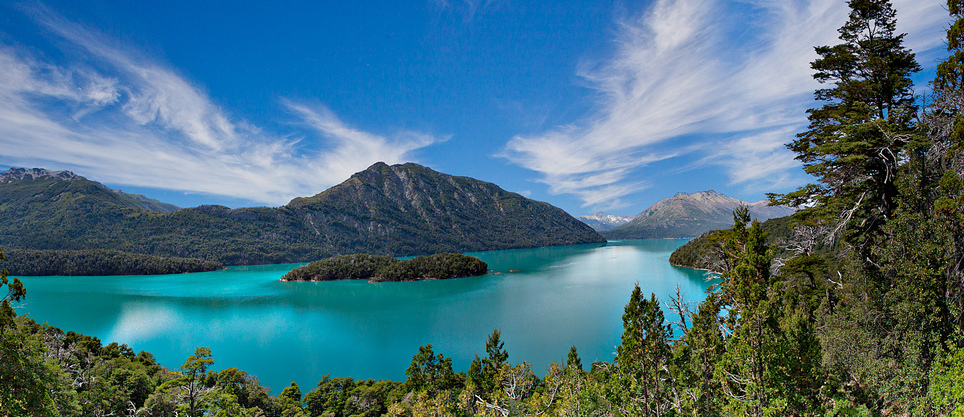

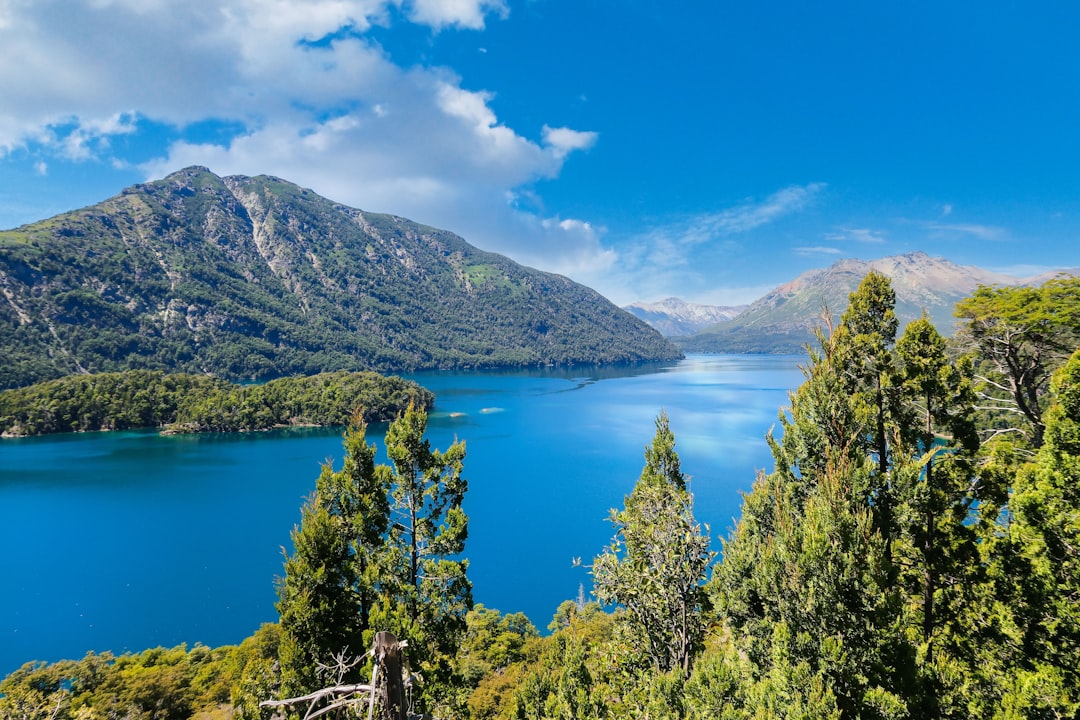
Nestled in the heart of Argentina's Andean Patagonia, Lago Mascardi is a shimmering gem that captivates with its kaleidoscope of hues. Known locally as the 'Seven Colors Lake,' its waters shift from emerald to sapphire, reflecting the changing seasons and the dance of the sun. Just a short 30 km drive from the bustling town of San Carlos de Bariloche, this breathtaking lake is an essential destination for those seeking the tranquility and wild beauty of Patagonia.
The history of Lago Mascardi is as rich and layered as its colors. It is named after Father Nicolás Mascardi, a Jesuit missionary who arrived in the region in the late 17th century. Mascardi was one of the first Europeans to explore these lands extensively, and his mission was part of the broader Jesuit effort to evangelize the indigenous peoples of the Americas. The lake area, however, was originally inhabited by the Mapuche people, who have lived in Patagonia for centuries. Their deep connection to the land is evident in the local legends and stories that still echo around the lake's shores.
While Lago Mascardi itself does not boast significant art and architecture, the surrounding region is a cultural treasure trove. In San Carlos de Bariloche, the influence of Swiss and German immigrants is visible in the alpine architecture and the charming chocolate shops that dot the town. Nearby, the Cathedral of Our Lady of Nahuel Huapi, with its neo-Gothic style, stands as a testament to the European influence that has shaped much of Bariloche's aesthetic.
Local culture and traditions around Lago Mascardi and Bariloche are a vibrant tapestry woven from indigenous roots and European influences. Throughout the year, the region hosts a variety of festivals that celebrate this cultural fusion. The Fiesta Nacional de la Nieve (National Snow Festival) is one of the most anticipated events, celebrating the region's winter sports culture with music, parades, and competitions. Meanwhile, the Mapuche community continues to uphold their traditions through ceremonies and handicrafts, offering visitors a glimpse into their enduring heritage.
A journey to Lago Mascardi would be incomplete without indulging in the local gastronomy. The region is renowned for its artisanal chocolates, a legacy of the Swiss settlers, with Bariloche often referred to as the "Chocolate Capital of Argentina." Beyond sweets, the local cuisine is heavily influenced by the natural bounty of Patagonia. Expect to savor dishes featuring trout from the pristine lakes, and the Patagonian lamb, slow-cooked over an open flame, is a must-try. Pair these meals with a glass of locally brewed craft beer, which has garnered a loyal following in recent years.
Among the lesser-known curiosities of Lago Mascardi is the enigmatic Isla Corazón, a heart-shaped island that sits serenely in the lake's center. This natural formation is a popular spot for kayaking and offers a unique vantage point for taking in the surrounding vistas. Another intriguing fact is the presence of the native pudú, the world's smallest deer, which can sometimes be glimpsed in the surrounding forests, adding a touch of magic to any visit.
For those planning a visit, the best time to explore Lago Mascardi is during the warmer months from December to March when the weather is ideal for outdoor activities. However, the winter months offer their own charm, with opportunities for skiing in nearby Bariloche. To fully appreciate the lake's beauty, consider renting a kayak or taking a guided boat tour, which will allow you to explore the hidden coves and islets dotting the lake. Hiking trails around the lake provide varying levels of difficulty, catering to both casual walkers and seasoned trekkers.
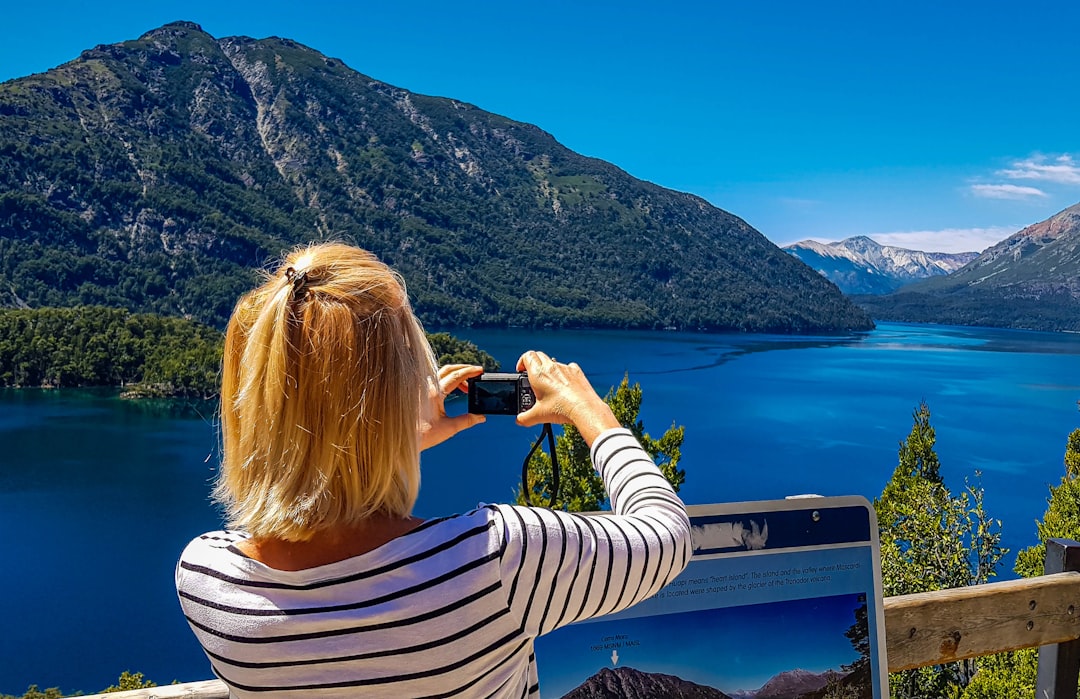
When visiting, it's wise to bring warm clothing, even in summer, as temperatures can drop unexpectedly. Don’t forget your camera to capture the lake's changing colors and the dramatic Andean backdrop. Whether you're drawn by the history, cultural richness, or the sheer natural beauty, Lago Mascardi promises an unforgettable experience that resonates long after the journey ends.


