
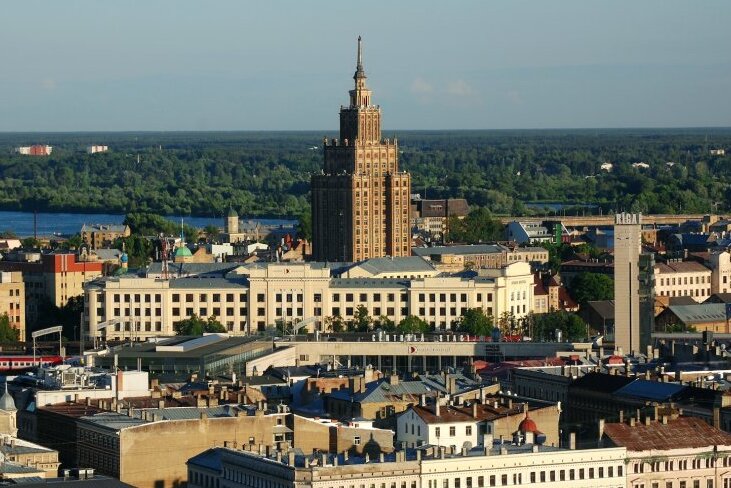

Riga's skyline is unmistakably marked by the Latvian Academy of Sciences, a monumental structure that stands as a testament to the city’s complex history and architectural evolution. This 107-metre tall building, often referred to as Stalin's birthday cake or Stalin's baroque, has been a prominent fixture since the 1950s, embodying the era's architectural ambitions and political narratives.
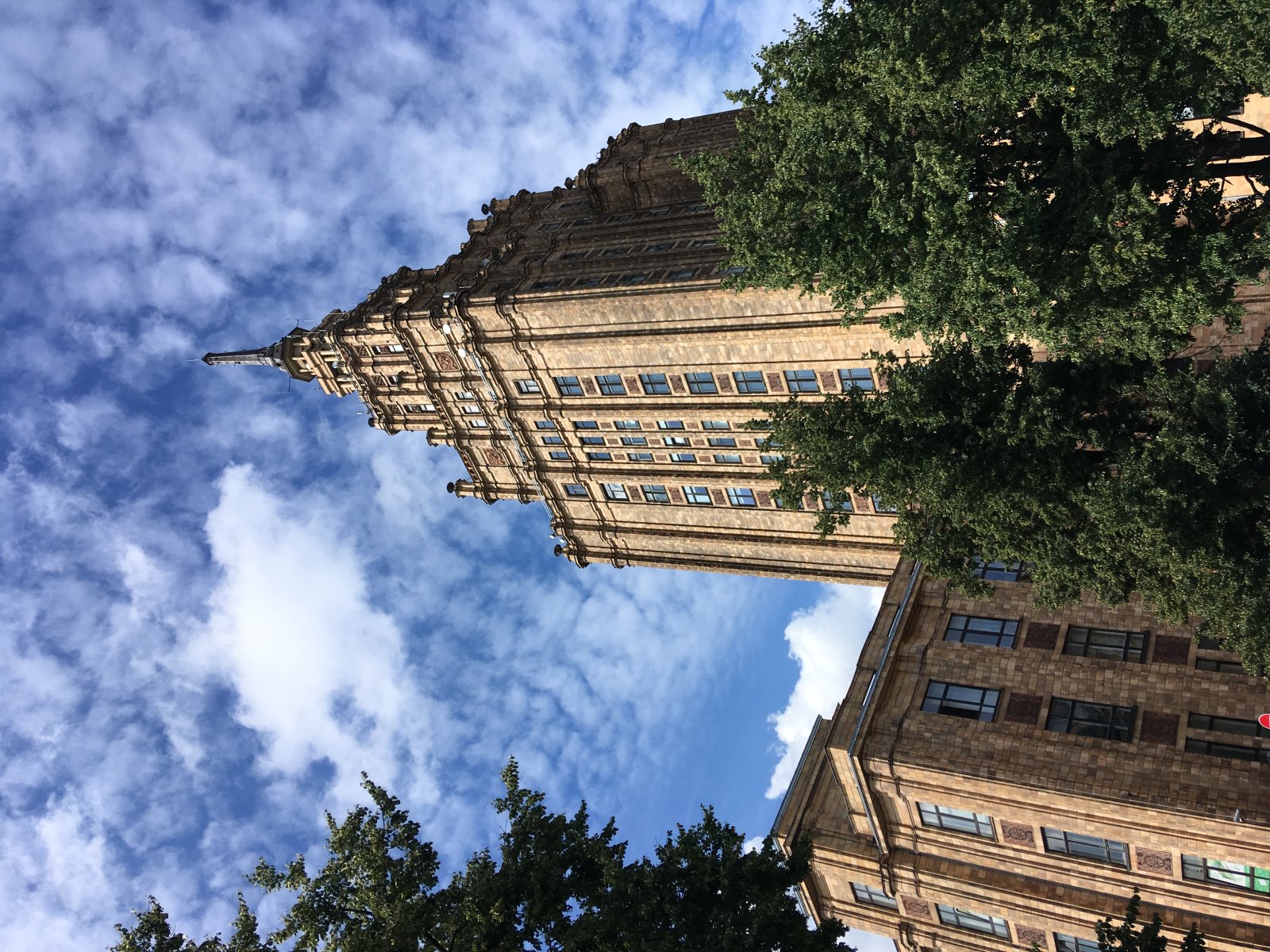
The origins of the Academy trace back to the post-World War II period when Latvia was firmly under Soviet influence. Designed by architect Augusts Kļaviņš, the building was originally intended to serve as the Kolkhoz Workers’ Building—a hotel and dormitory for collective farm workers visiting Riga. However, this vision never materialized, and instead, the structure was repurposed for scientific and educational use. This shift marked an essential transition in the building's purpose, aligning it with the Soviet Union's emphasis on science and education.
The architectural style of the Latvian Academy of Sciences is a striking example of Socialist Realism, characterized by grandiose forms and a sense of monumentalism. The façade, adorned with decorative elements and sculptures, reflects the ideological undercurrents of its time, aiming to convey the might and progress of the Soviet state. Notably, the building's tower is topped with a spire that enhances its prominence against the backdrop of Riga's charming skyline.
As you enter the Academy, the vastness of its 766 rooms across 23 floors becomes apparent, housing scientists, historians, and researchers who contribute to the rich intellectual tapestry of Latvia. The interiors, although functional, hold an understated elegance, with meeting rooms and offices that echo the building's historical significance.
The cultural importance of the Academy extends beyond its scientific endeavors. It stands as a symbol of Soviet Latvia, reflecting the nation’s struggles and aspirations during a tumultuous era. The building is frequently referenced in local discourse, not only as an architectural landmark but also as a cultural icon that evokes nostalgia and critical reflection on Latvia's past.
Riga's vibrant culture is deeply intertwined with its traditions and festivals. One such event is the Jāņi, or Midsummer festival, celebrated with great enthusiasm across Latvia. During this time, the Academy becomes a focal point for gatherings, showcasing traditional music, dance, and culinary delights. The spirit of the festival is palpable as locals and visitors partake in activities that honor Latvian heritage, connecting the past with the present.
Speaking of culinary delights, a visit to Riga would be incomplete without indulging in its gastronomic offerings. Traditional dishes like grey peas with speck or Riga Black Balsam, a herbal liqueur, are local favorites. The Central Market, located nearby, is a fantastic place to sample local delicacies, from smoked fish to freshly baked rye bread. These flavors tell a story of the land and its people, inviting visitors to explore the essence of Latvian cuisine.
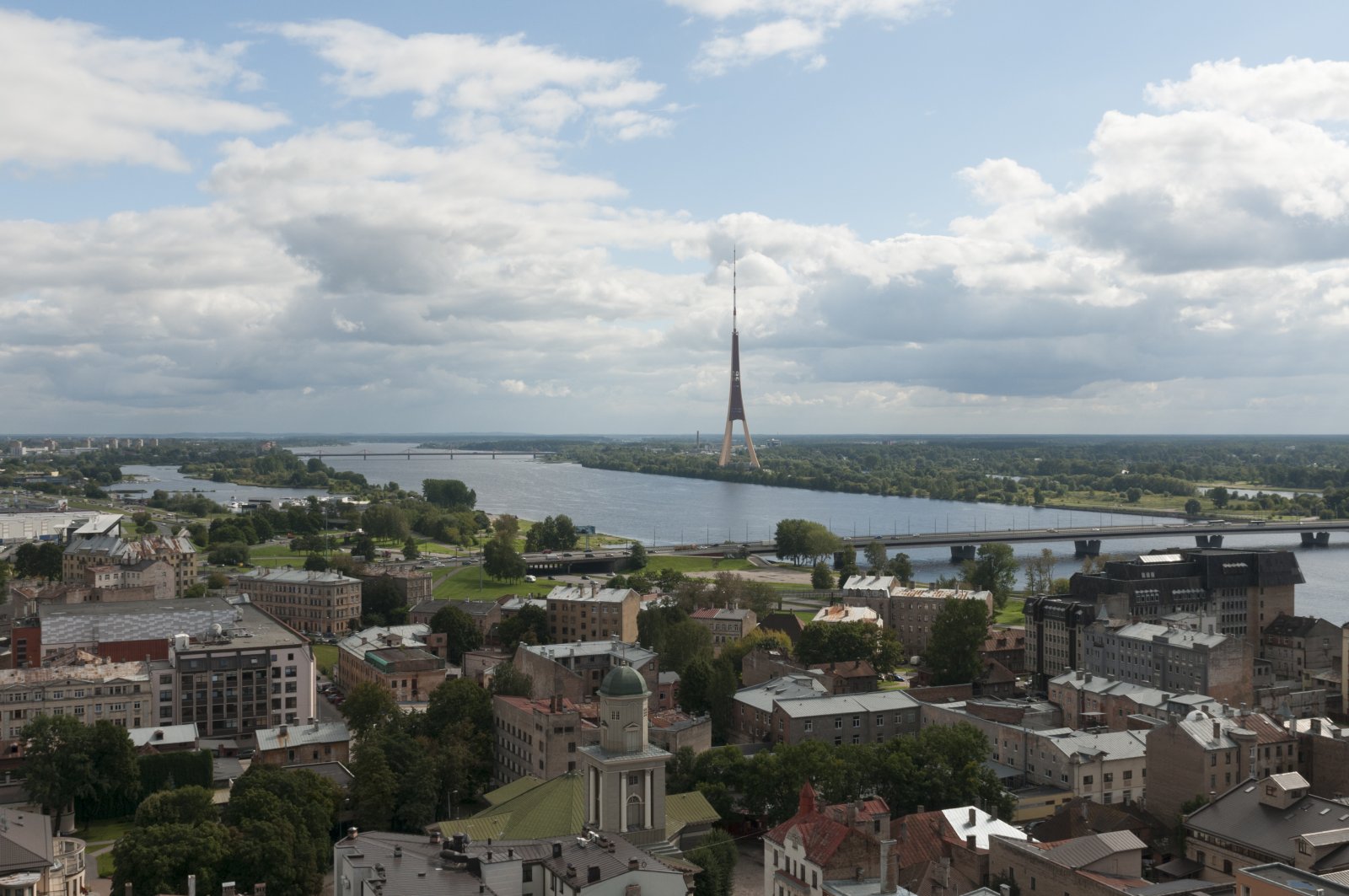
Among the lesser-known curiosities of the Latvian Academy of Sciences is its panoramic observation deck located on the 17th floor. For just a few euros, visitors can ascend to a height of 65 meters, where they are treated to breathtaking views of the city. From this vantage point, the Old Town's rooftops and the spires of various churches create a picturesque landscape, offering a unique perspective on Riga's architectural diversity. It’s a spot often overlooked by tourists, making it a hidden gem in the heart of the city.
When planning your visit to the Latvian Academy of Sciences, consider the best times to experience its splendor. Late spring to early autumn offers the most pleasant weather, allowing you to explore the building and its surroundings comfortably. Early mornings or late afternoons are ideal for a quieter experience, as the light enhances the beauty of the architecture and the view from the observation deck.
In terms of practical tips, be sure to check the Academy’s opening hours and any special events that might be taking place during your visit. Engaging with the knowledgeable staff can provide deeper insights into the building's history and significance, making your journey all the more enriching.
With its profound historical roots, striking architecture, and cultural vibrancy, the Latvian Academy of Sciences is more than just a building; it is a portal into Latvia's past and present. For a personalized experience that captures the essence of Riga, consider utilizing the Secret World app to craft your ideal itinerary.


