
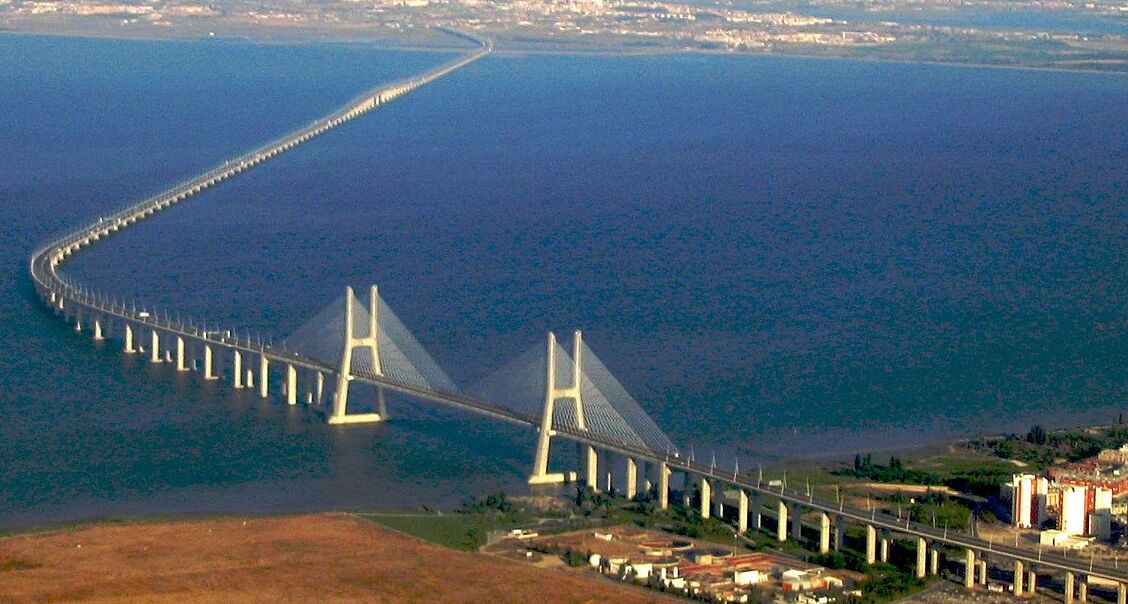

As the sun sets behind the rolling hills of Lisbon, the Vasco da Gama Bridge glimmers like a silver thread woven across the vast expanse of the Tagus River. This architectural marvel is not just a bridge; it is a tribute to Portugal’s rich maritime heritage and a significant feat of modern engineering.
History and Origins To truly appreciate the Vasco da Gama Bridge, one must understand the historical backdrop of Lisbon. The city has long been a pivotal point in maritime exploration, especially during the Age of Discovery in the late 15th century. Vasco da Gama, the bridge’s namesake, embarked on a groundbreaking voyage in 1498 that established a sea route to India, marking Portugal’s emergence as a dominant maritime power.
Construction of the bridge began in 1994, amidst efforts to modernize the city in anticipation of Expo 98, which celebrated the theme of “The Oceans, a Heritage for the Future.” Designed by engineer António de Almeida, the bridge faced a myriad of challenges, from environmental concerns to engineering complexities. Yet, it was completed in just four years, opening on March 29, 1998, precisely 500 years after da Gama's historic voyage, symbolizing the connection between past and present.
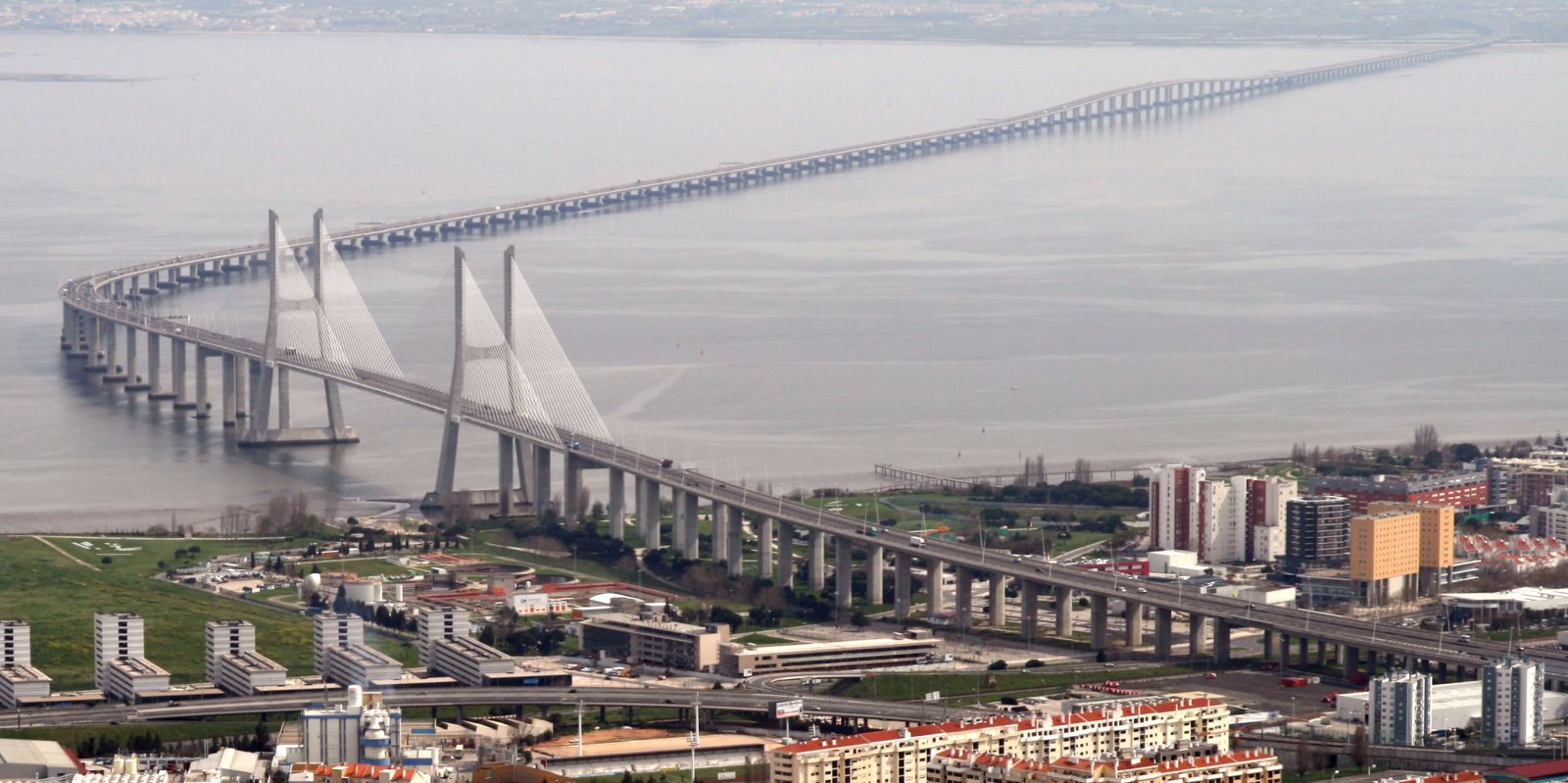
Art and Architecture Architecturally, the Vasco da Gama Bridge is a stunning example of modern cable-stayed design. Stretching 17.2 kilometers (10.7 miles), it is the longest bridge in Europe, featuring a central span of 1,013 meters (3,323 feet) supported by elegant cables that swoop gracefully across the horizon. The bridge's concrete and steel structure reflects a sleek, minimalist aesthetic that complements the surrounding landscape.
In addition to its engineering significance, the bridge is also adorned with artistic elements that celebrate Portuguese culture. Visitors can spot distinctive ceramic tiles along the bridge, which depict maritime themes and pay homage to the country's seafaring traditions. These artworks create a bridge not just of steel, but of cultural expression, uniting art and engineering.
Local Culture and Traditions The cultural landscape of Lisbon is vibrant and dynamic, with the Vasco da Gama Bridge often serving as a backdrop for local festivities. One notable event is the Festa de Santo António, celebrated in June, where locals participate in lively parades, street parties, and traditional music, showcasing the city's deep-rooted customs. The bridge, illuminated during these festivities, becomes a symbol of unity and celebration.
Moreover, the bridge has become a popular spot for local photographers and artists seeking inspiration. Its silhouette against the cityscape is a frequent subject in art galleries, reflecting the bridge's significance as a modern icon of Lisbon.
Gastronomy A visit to Lisbon would be incomplete without savoring its culinary delights. The city is renowned for its seafood, and while crossing the Vasco da Gama Bridge, one can indulge in dishes that celebrate its maritime heritage. Bacalhau à Brás, a traditional cod dish, and sardinhas assadas (grilled sardines) are must-tries. Pair these with a glass of vinho verde, a refreshing Portuguese wine, for a true taste of the region.
For a sweet treat, don’t miss the famous pastéis de nata (custard tarts) that can be found in nearby Belém, just a short drive from the bridge. These flaky pastries are a delicious reminder of Lisbon's culinary history, often enjoyed with a sprinkle of cinnamon and powdered sugar.
Lesser-known Curiosities While many tourists flock to the bridge for its panoramic views, few know that it has a unique feature: a dedicated bike lane that allows cyclists to experience the bridge's stunning vistas up close. Additionally, the bridge has been featured in various films and documentaries, further solidifying its status as a cultural landmark.
Another intriguing fact is that the bridge was designed to withstand earthquakes, a critical consideration given Lisbon's seismic history. This foresight ensures not only the bridge's longevity but also the safety of those who traverse it.
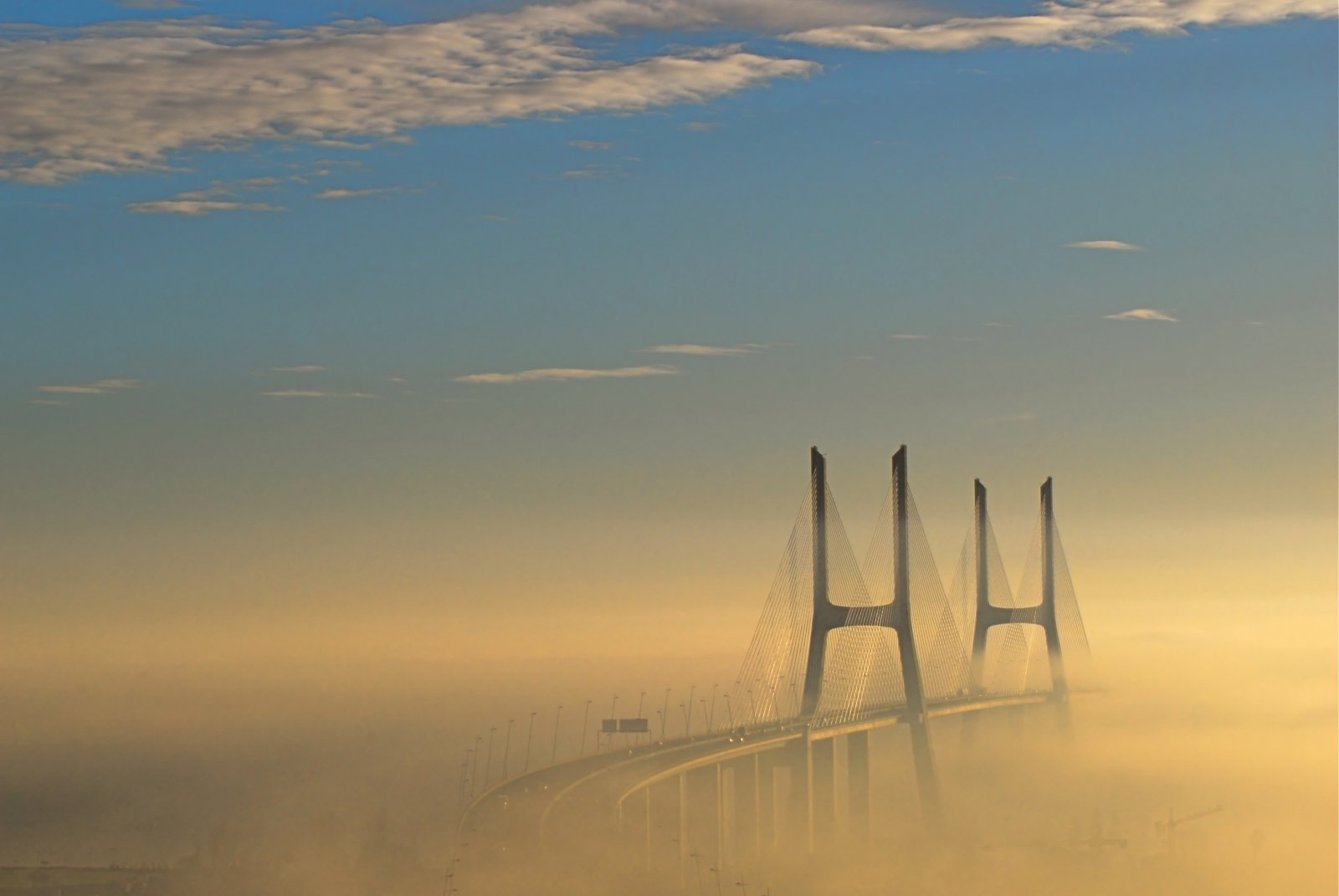
Practical Visitor Information The best time to visit the Vasco da Gama Bridge is during the spring and early autumn months when the weather is pleasantly mild. Early mornings offer breathtaking views as the sun rises over the river, casting golden reflections on the water.
For those planning a visit, take advantage of the nearby Vasco da Gama Shopping Center, which offers dining and entertainment options, making it a convenient stop before or after your bridge experience. The Lisbon Metro connects visitors to the bridge area easily, and parking is available for those who prefer to drive.
As you stand on the bridge, take a moment to absorb the history that surrounds you and the modern marvel that spans the Tagus River. The Vasco da Gama Bridge is more than just a route; it is a journey through time, culture, and culinary delight.
Explore the wonders of Lisbon and consider using the Secret World app to plan a personalized AI itinerary for your visit.


