
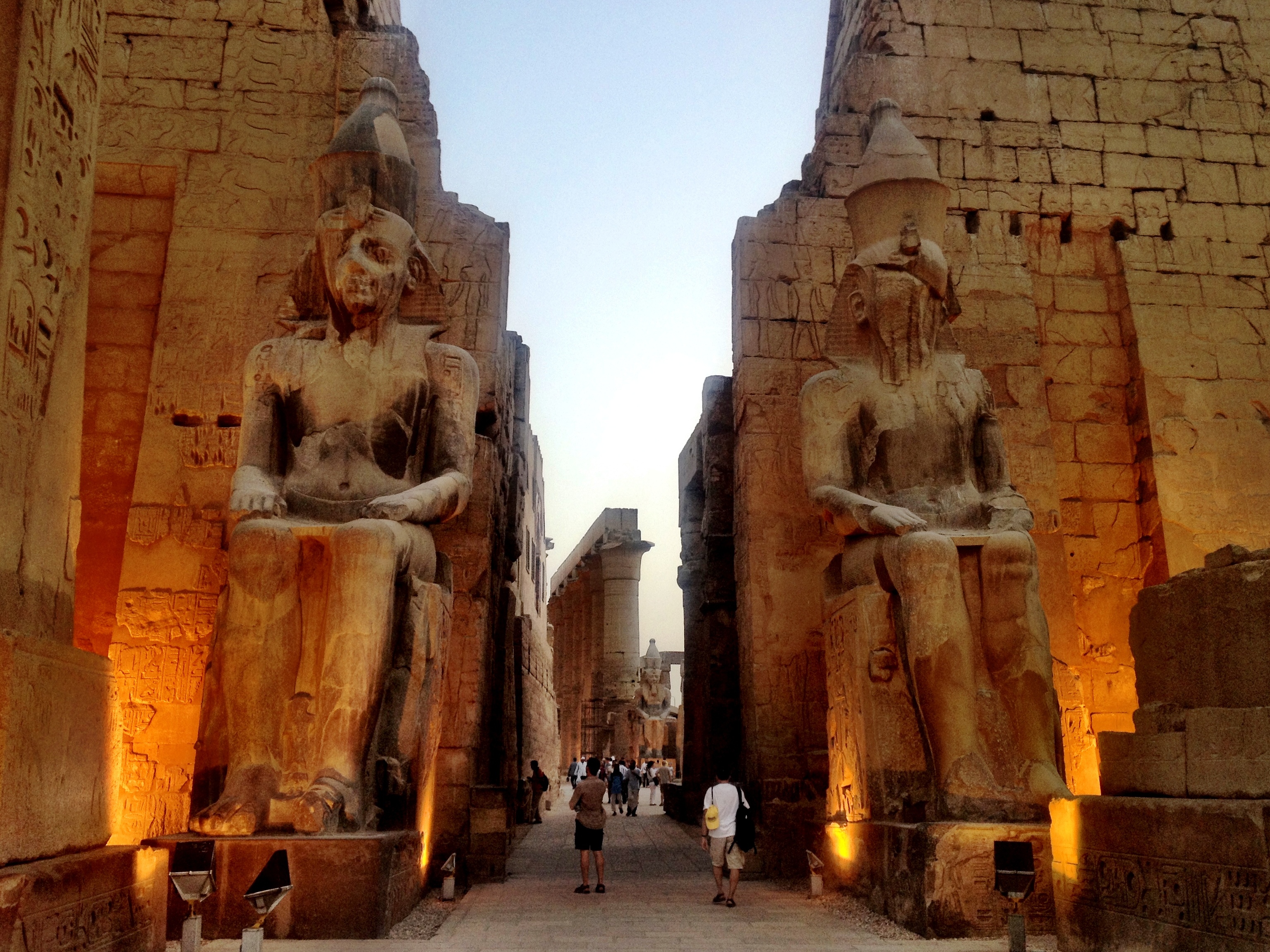

Nestled along the banks of the Nile, Luxor Temple stands as one of the most remarkable remnants of ancient Egyptian civilization. This majestic complex, originally constructed in the 14th century B.C., was dedicated to the triad of deities: Amun, the king of the gods; Mut, his wife; and Khonsu, their son. As the centerpiece of ancient Thebes, now known as Luxor, this temple is a magnificent testament to the artistry and religious fervor of a bygone era.
The history of Luxor Temple is rich and layered, with its origins dating back to the New Kingdom period (1539 B.C. - 1075 B.C.). Initially, it served as a sanctuary for the gods and a site for the Opet Festival, a significant religious event that celebrated fertility and the annual flooding of the Nile. During this festival, statues of Amun, Mut, and Khonsu were transported via the Nile from Karnak Temple to Luxor Temple, symbolizing the gods' return to their earthly abode.
In 320 B.C., the temple underwent significant restoration under the guidance of Alexander the Great, who sought to align himself with the pharaohs of the past. This act of reconstruction not only preserved the temple but also underscored the enduring significance of Luxor Temple in the cultural landscape of ancient Egypt.
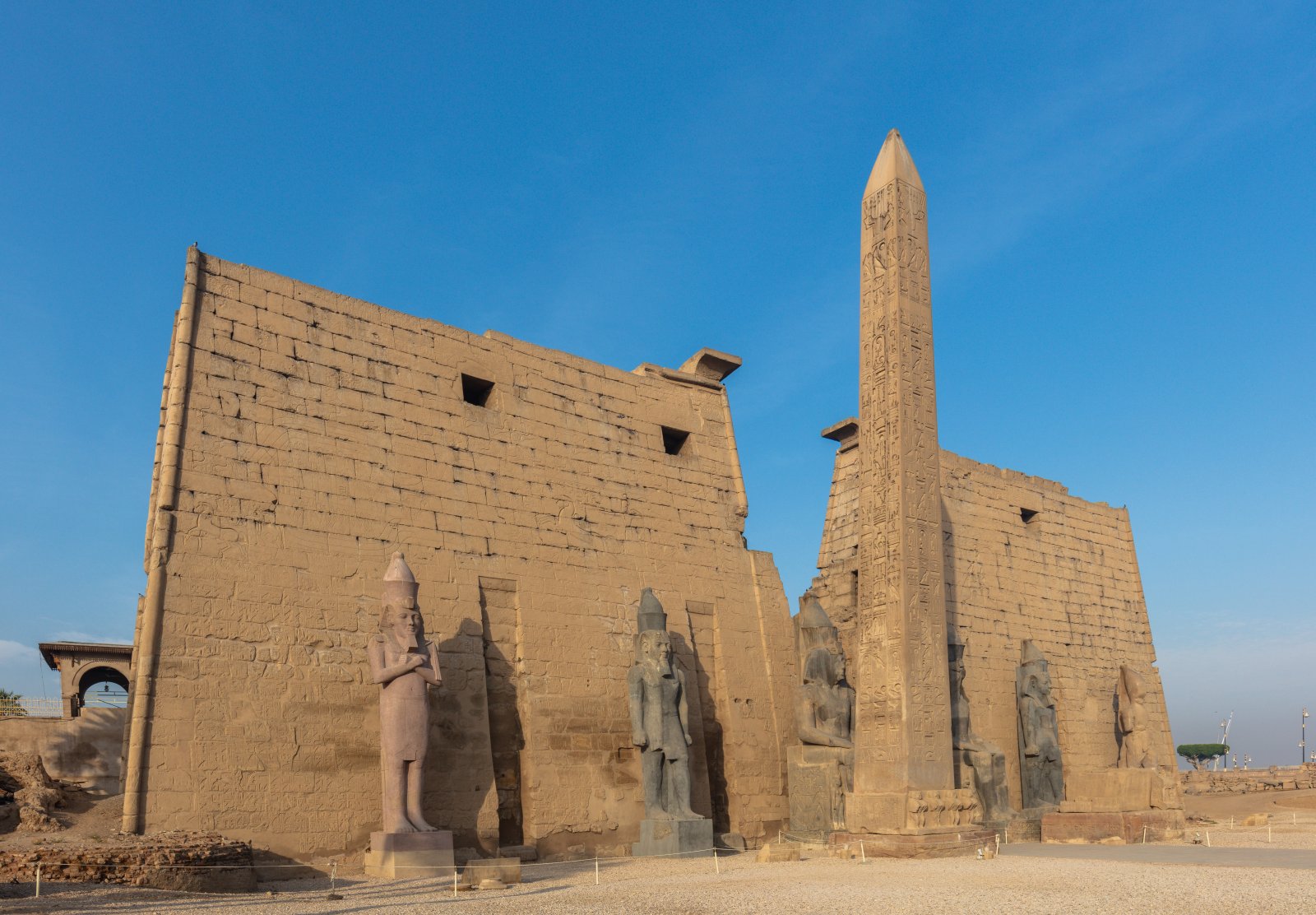
Architecturally, Luxor Temple is a stunning example of ancient Egyptian design, characterized by its grand pylons, towering statues, and intricate carvings. The entrance is flanked by six colossal statues of Ramesses II, a pharaoh renowned for his military conquests and monumental building projects. These statues, carved from sandstone, loom majestically over visitors, their faces bearing the weight of history and the artistry of skilled artisans.
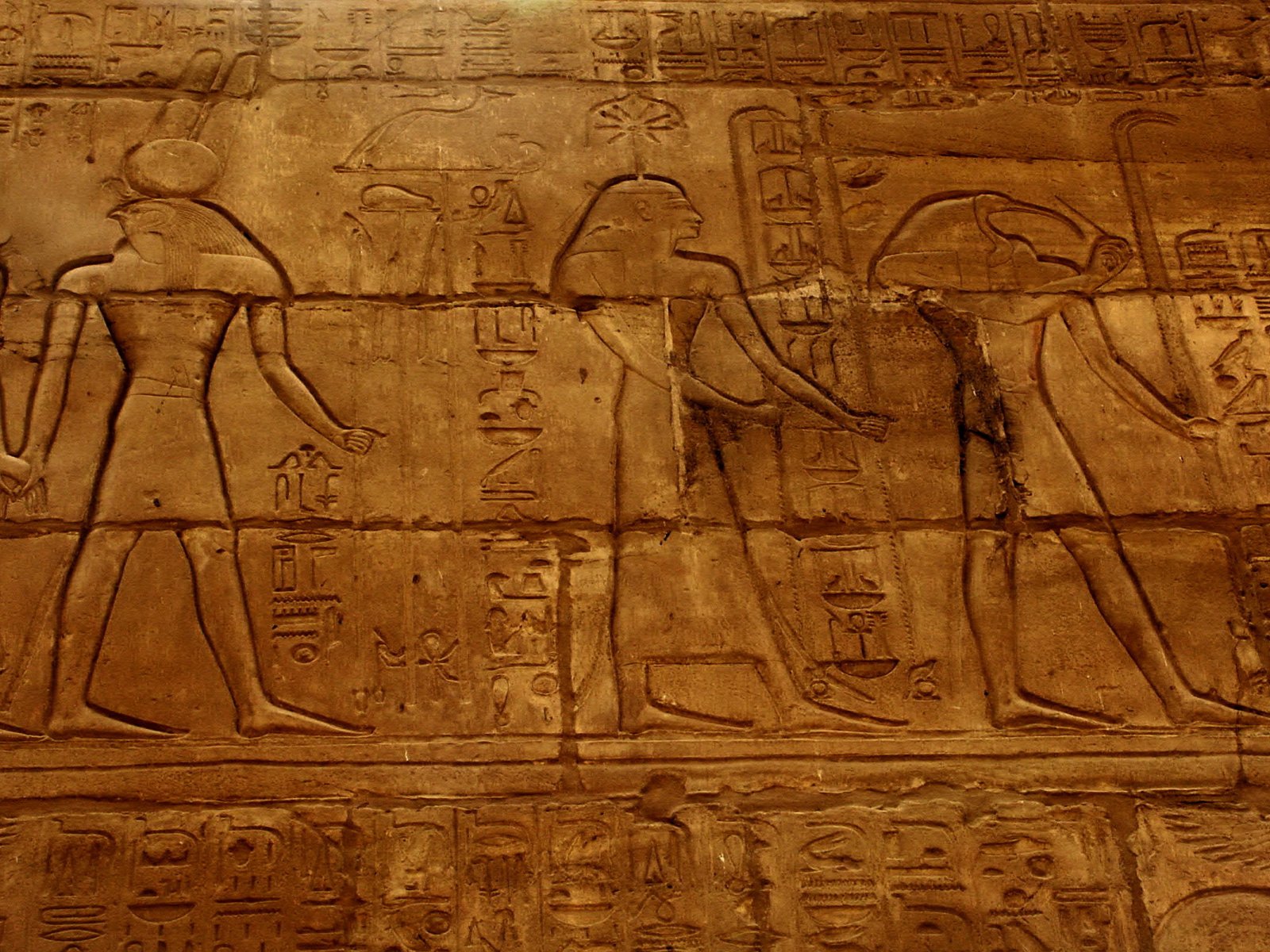
The artistic significance of Luxor Temple cannot be overstated. The walls are adorned with incredible reliefs depicting scenes of triumph, rituals, and the pharaohs who once ruled this land. The temple's hypostyle hall, supported by massive columns, is particularly noteworthy, showcasing intricate hieroglyphics that narrate the divine narratives of the gods and the glorification of the ruling pharaohs.
As you wander through the temple grounds, you’ll also get a glimpse into the local culture that continues to thrive around Luxor. The Opet Festival, once a grand celebration, is now echoed in the local customs. Modern-day residents celebrate the rich cultural heritage through music, dance, and storytelling, ensuring that the legacy of their ancestors lives on.
Gastronomy in Luxor offers a delightful array of flavors that reflect the region's history and geography. Traditional dishes like koshari, a hearty mix of lentils, rice, and pasta topped with a spicy tomato sauce, and falafel, made from ground fava beans, are staples of local cuisine. Pair your meal with a glass of karkadeh, a refreshing hibiscus tea that has been enjoyed since ancient times.
While many visitors flock to the towering statues and grand columns, there are numerous lesser-known curiosities about Luxor Temple that deserve attention. One such detail is the sacred lake that once lay within the temple complex, used for ritual purification. Additionally, the temple was partially buried under the sands for centuries, hidden from view until archaeological efforts in the 19th century unearthed its splendor.
For those looking to visit, the best time to explore Luxor Temple is during the cooler months, from October to April. Arriving early in the morning allows you to experience the temple in the serenity of dawn, with fewer crowds and softer light illuminating the carvings. Don't forget to look for the lesser-known sections of the temple, which often reveal fascinating insights into the daily lives of ancient Egyptians.
While Luxor Temple is a hub of historical and cultural significance, it's also an invitation to connect with the past. Whether marveling at the artistry of the ancient Egyptians or partaking in local traditions, Luxor Temple promises an experience that transcends time.
As you plan your journey to this ancient wonder, consider using the Secret World app to craft a personalized itinerary that highlights the rich tapestry of experiences awaiting you at Luxor Temple.


