


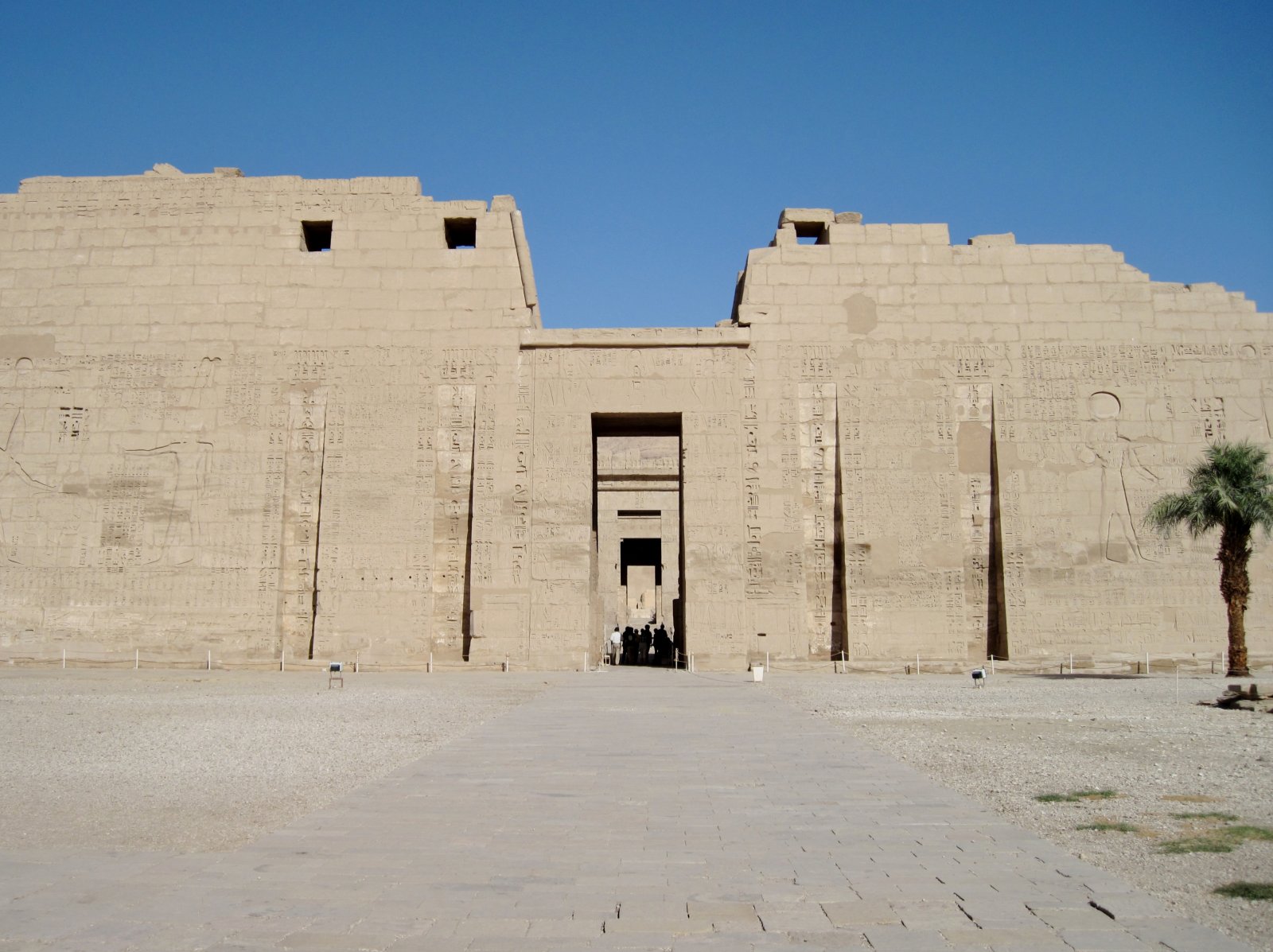
Nestled on the west bank of the Nile in Luxor, Egypt, lies the magnificent Medinet Habu, also known as the Mortuary Temple of Ramses III. This vast temple complex, built over 3,500 years ago, stands as a testament to the grandeur of ancient Egyptian civilization and the legacy of one of its most formidable pharaohs, Ramses III. The temple, completed in 1186 BC, was designed to honor the memory of this great ruler and serve as a place for his eternal rest.

History and Origins The history of Medinet Habu is steeped in the rich narrative of ancient Egypt. Ramses III, often regarded as the last great pharaoh of the New Kingdom, reigned during a tumultuous time marked by invasions and internal strife. The temple complex was not only a mortuary site but also a fortress of sorts, designed to protect the pharaoh’s legacy. The outer walls of the temple are adorned with vivid battle reliefs, showcasing Ramses III's military victories against the Sea Peoples—a coalition of naval raiders that threatened Egypt during his reign. These intricate carvings serve as both historical records and artistic expressions of the pharaoh's might, capturing the imagination of visitors to this day.
Art and Architecture The architectural style of Medinet Habu is a stunning representation of ancient Egyptian design, characterized by massive stone structures, towering columns, and elaborate reliefs. The temple is built in a way that reflects the sun's path, symbolizing the connection between the divine and the earthly realms. Visitors can marvel at the hypostyle hall, which features 32 colossal columns, beautifully decorated with hieroglyphics and scenes depicting the pharaoh’s achievements. The temple complex also houses the funerary chamber of Ramses III, where he was laid to rest among treasures intended to accompany him in the afterlife, including jewelry, textiles, and offerings. The artistry found in the temple is a testament to the skill of ancient Egyptian craftsmen, whose work continues to captivate and inspire.
Local Culture and Traditions Today, the area surrounding Medinet Habu remains rich in cultural heritage. The local community, predominantly composed of Nubians, celebrates traditional customs that date back centuries. Festivals often occur during significant times of the year, such as the Wepet-Renpet, or the Egyptian New Year, which coincides with the annual flooding of the Nile. This event, deeply rooted in agricultural practices, is celebrated with music, dance, and feasting on local dishes. Visitors can immerse themselves in the vibrant local culture, gaining insights into traditional crafts and practices that have been passed down through generations.
Gastronomy When exploring the culinary landscape near Medinet Habu, travelers are treated to an array of Egyptian delicacies. One cannot miss the opportunity to savor koshari, a hearty dish made from rice, lentils, and pasta, topped with a spicy tomato sauce and crispy onions. Another local favorite is molokhia, a green leafy vegetable stew, often served with chicken or rabbit. For those with a sweet tooth, basbousa, a semolina cake soaked in syrup, offers a delightful end to any meal. Pair these dishes with traditional Egyptian tea or sugarcane juice for a truly authentic experience.
Lesser-known Curiosities While many tourists flock to the more famous sites in Luxor, Medinet Habu offers a quieter, yet equally fascinating glimpse into ancient Egyptian life. One surprising detail is the presence of Roman-era graffiti found within the temple, revealing that it was visited long after Ramses III's time. Additionally, there is a lesser-known section known as the Colonnade of the Sons of Ramses III, which honors the pharaoh's many offspring and emphasizes the importance of lineage in ancient Egyptian society. Many visitors overlook these details, making them perfect conversation starters for those who venture beyond the main attractions.
Practical Visitor Information The best time to visit Medinet Habu is during the cooler months, from October to March, when temperatures are more manageable for exploring the vast temple grounds. It’s advisable to arrive early in the morning to enjoy the site with fewer crowds and to witness the beautiful play of light on the ancient stones. Don’t forget to bring a good camera to capture the intricate reliefs and stunning architecture. As you wander through the temple, take time to appreciate the stories told through the art, and consider hiring a knowledgeable guide to enrich your understanding of this historical gem.
In visiting Medinet Habu, one not only walks in the footsteps of pharaohs but also connects with the enduring spirit of ancient Egypt. To make the most of your journey, consider using the Secret World app to plan a personalized itinerary that ensures you discover every hidden gem along the way.


