
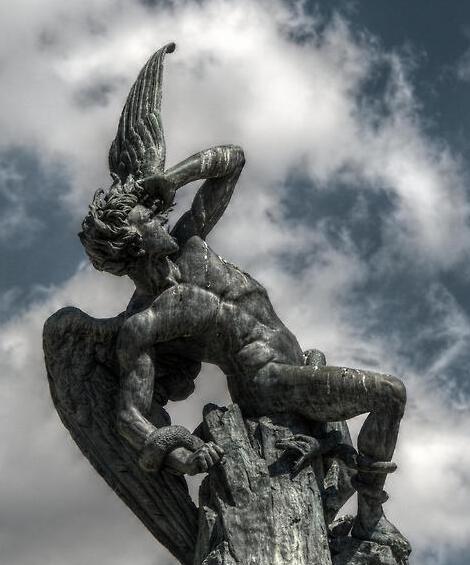

In the heart of Madrid, the Fountain of the Fallen Angel stands as a striking testament to both art and controversy. Unveiled in 1878 and crafted by Ricardo Bellver, this unique monument is inspired by John Milton's epic poem, Paradise Lost, portraying Lucifer's dramatic fall from grace. The statue depicts an elegant angel with magnificent wings, an embodiment of beauty and tragedy, set against the backdrop of Retiro Park.
History and Origins The origins of the Fountain of the Fallen Angel are steeped in both artistic ambition and societal debate. When it was commissioned by the Madrid City Council, the intention was to create a striking centerpiece for the Retiro Park. Its unveiling in 1878 was met with a mix of admiration and criticism due to its subject matter. This monument is notably unique, as it is the only public statue dedicated to Satan in the world, which has led to its reputation as one of the most controversial works of art in Spain.
Art and Architecture The Fountain of the Fallen Angel is not only a tribute to literary themes but also an architectural marvel. Cast in bronze, the statue rises to 666 meters above sea level, a detail that has not gone unnoticed by visitors and critics alike. The neoclassical style of the fountain combines elegance with a sense of drama, making it a striking focal point. The intricate details of Bellver's work showcase the fallen angel with flowing hair and a sorrowful expression, surrounded by serpents, which symbolize his fall from the grace of God. The artistry invites viewers to ponder themes of beauty, sin, and redemption.
Local Culture and Traditions Madrid is a city rich in culture, and the Fountain of the Fallen Angel is intertwined with the local narrative. While there are no specific festivals dedicated to the monument itself, it is often included in cultural walks and tours that explore the Retiro Park. The park is a hub for locals and tourists alike, offering a space for relaxation and reflection, where people often discuss the statue's controversial themes. Additionally, the statue's presence sparks conversations about the intersection of art, religion, and morality in Spanish society.
Gastronomy When visiting the Fountain of the Fallen Angel, indulging in local gastronomy enhances the experience. Just a short stroll from Retiro Park, you can find traditional Madrid dishes such as tapas, patatas bravas, and churros con chocolate. Pair your meal with a glass of Vermouth, a popular local aperitif, or try tinto de verano, a refreshing summer drink made with red wine and lemonade. Exploring the culinary scene provides a delicious insight into the vibrant culture of Madrid.
Lesser-known Curiosities Beyond its striking appearance, the Fountain of the Fallen Angel has several lesser-known facts that intrigue visitors. The statue was initially met with mixed reactions, with some calling it blasphemous. Interestingly, the figure of Lucifer depicted here is not just a symbol of evil; it also represents the struggle for enlightenment and the pursuit of knowledge, themes that resonate deeply within literary and philosophical discussions. Furthermore, the location of the statue in Retiro Park is itself rich in history, once being a royal retreat and a site for many significant events in Spanish history.
Practical Visitor Information The best time to visit the Fountain of the Fallen Angel is during the spring and autumn months, when the weather is mild and the park is in full bloom. It’s advisable to go early in the morning or later in the afternoon to enjoy a quieter experience. When visiting, take the time to sit on one of the benches nearby, soak in the ambiance, and reflect on the themes the statue evokes. Don’t forget to bring your camera; the interplay of light and shadow on the statue creates stunning photo opportunities.
In conclusion, the Fountain of the Fallen Angel is not just a monument to Satan; it is a complex work of art that invites reflection on deeper themes of beauty, morality, and the human experience. To fully experience Madrid’s rich tapestry of history and culture, consider using the Secret World app to plan a personalized AI itinerary.


