
← Back

Malta,Gozo and Comino,a paradise in the heart of the Mediterranean Sea

Malta ★★★★☆ 609 views
Agueda Vasquez
🏆 AI Trip Planner 2026

Get the free app

Discover the best of {city} with Secret World — the AI trip planner with 1M+ destinations. Get personalized itineraries, hidden gems and local tips. Free on iOS & Android.

🧠 AI Itineraries 🎒 Trip Toolkit 🎮 KnowWhere Game 🎧 Audio Guides 📹 Videos
Download on the App Store Get it on Google Play
Scan to download Scan to download
Malta,Gozo and Comino,a paradise in the heart of the Mediterranean Sea | Secret World Trip Planner

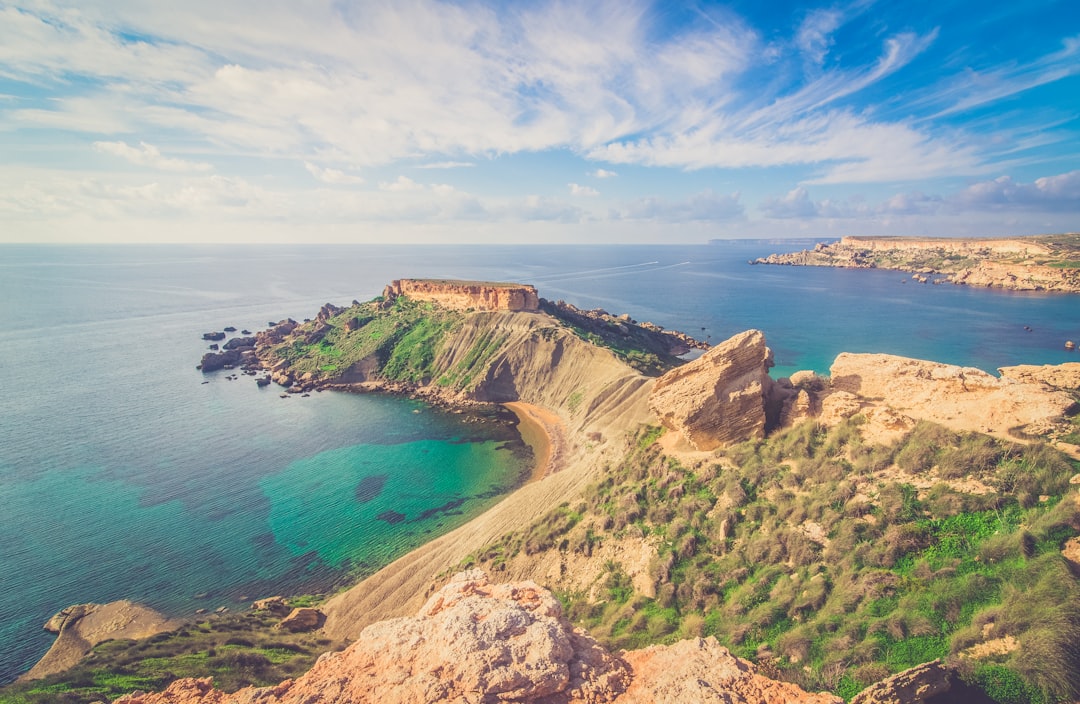
Nestled in the heart of the Mediterranean, the Maltese archipelago comprises Malta, Gozo, and Comino, drawing travelers from around the globe with its harmonious blend of stunning landscapes, rich history, and vibrant culture. Located just 80 km from the Sicilian coast, these islands offer an irresistible charm that transcends mere sunbathing and swimming in the crystalline waters.

Malta,Gozo and Comino,a paradise in the heart of the Mediterranean Sea | Secret World Trip Planner

### History and Origins The history of Malta dates back to prehistoric times, with the islands inhabited as early as 5900 BC. The Ġgantija Temples on Gozo, built around 3600-2500 BC, are among the oldest freestanding structures in the world, showcasing the sophisticated craftsmanship of the ancient Maltese. The islands witnessed the rise and fall of various powers, from the Phoenicians to the Romans, and later the Knights of St. John, who arrived in 1530 and left an indelible mark on the archipelago.

One pivotal event was the Great Siege of 1565, where the Knights, alongside Maltese defenders, successfully repelled the Ottoman Empire, establishing Malta as a crucial strategic stronghold in the Mediterranean. This resilience shaped Malta’s identity, fostering a unique blend of cultures that continues to influence its society today.

Malta,Gozo and Comino,a paradise in the heart of the Mediterranean Sea | Secret World Trip Planner

### Art and Architecture Maltese architecture is a captivating tapestry woven from various historical influences, primarily Baroque, Gothic, and Neoclassical styles. The St. John’s Co-Cathedral in Valletta, adorned with intricate carvings and golden embellishments, houses masterpieces by Caravaggio, including the stunning Beheading of Saint John the Baptist.

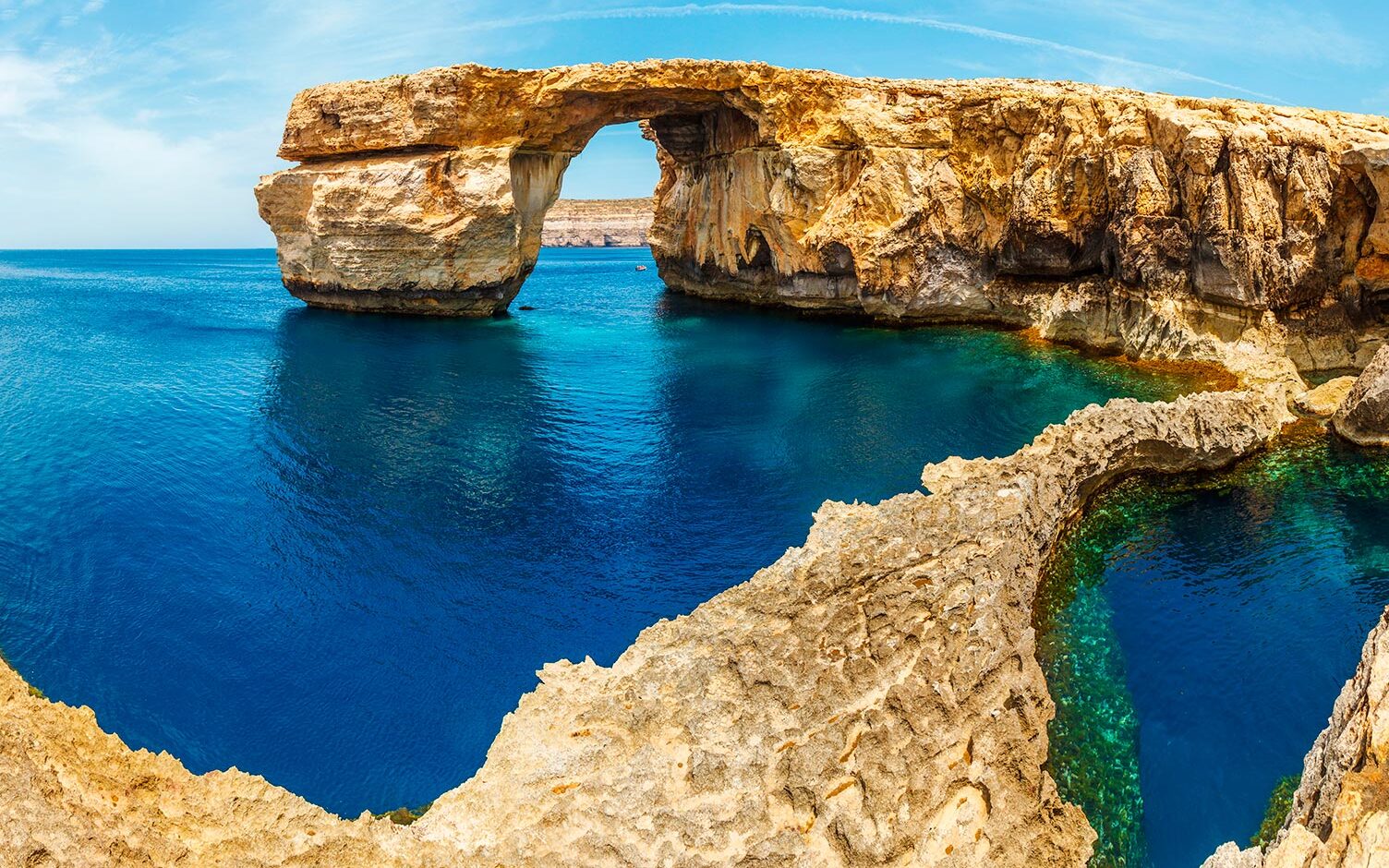
The Valletta Waterfront, lined with Baroque buildings, is a testament to the island’s architectural grandeur. The Azure Window, a natural limestone arch on Gozo, once stood as a symbol of nature’s artistry, although it collapsed in 2017. Nevertheless, it remains a focal point of artistic inspiration and a reminder of nature's ever-changing beauty.

### Local Culture and Traditions Malta's culture is a vibrant blend of influences, with Maltese as the national language and English as an official language. The islands are famous for their lively festivals, particularly the Carnival celebrations in February, where locals don colorful costumes and masks, parading through the streets with music and dance. Another significant event is the Feast of St. Paul in Valletta, held in February, commemorating the shipwreck of St. Paul in 60 AD, which led to the Christianization of Malta.

The Maltese Cross, a symbol of the Knights of St. John, is an emblem of national pride, often seen in various forms of art, jewelry, and souvenirs, reflecting the deep-rooted history of the islands.

### Gastronomy Maltese cuisine is a delightful reflection of its cultural heritage, characterized by fresh ingredients and Mediterranean flavors. Local dishes like rabbit stew (fenek), stuffed peppers, and pastizzi (flaky pastry filled with ricotta or peas) offer a taste of traditional Maltese life.

For dessert, the famous Kwarezimal, a sweet almond biscuit traditionally prepared for Lent, is a must-try. Pair your meal with Kinnie, a local soft drink infused with bitter orange and herbs, or a glass of Maltese wine, made from indigenous grape varieties like Gellewza and Girgentina.

### Lesser-Known Curiosities Beyond the well-trodden paths, Malta boasts a plethora of hidden treasures. The Hypogeum of Ħal-Saflieni, a subterranean burial site dating back to 4000 BC, is an archaeological wonder, though only a limited number of visitors are allowed each day to preserve its delicate environment.

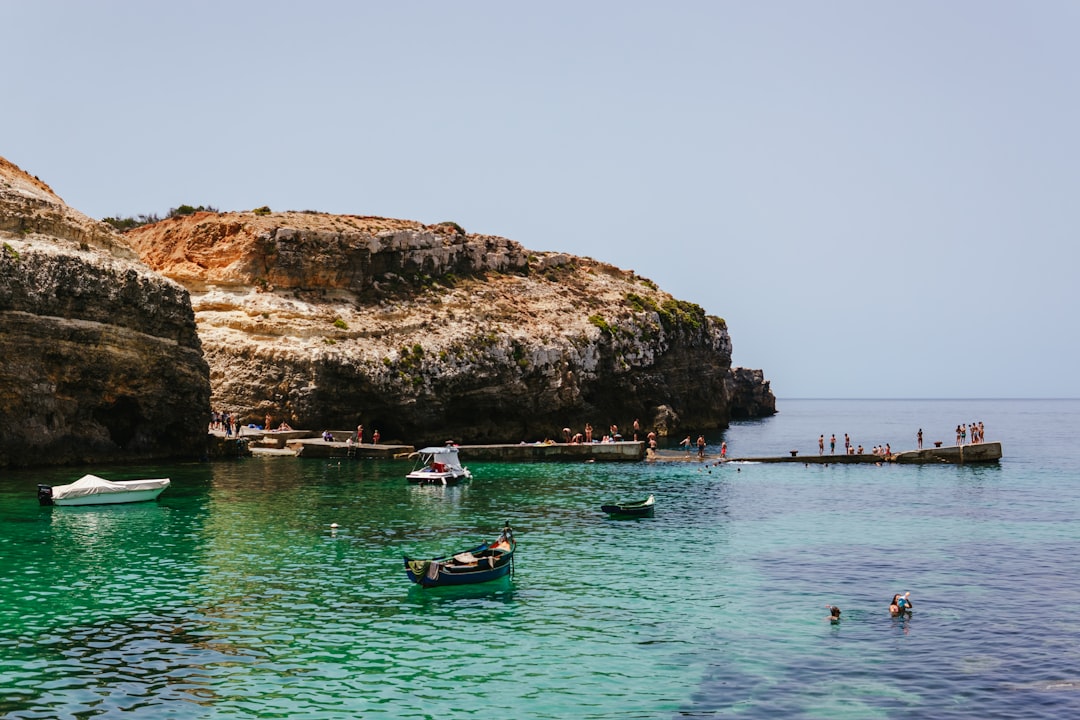
Moreover, the Blue Grotto, not just a scenic marvel, is home to a unique phenomenon where sunlight creates dazzling blue reflections in the water, offering a captivating experience for those who take a boat tour. On Comino, the Blue Lagoon is famous for its picturesque waters, but few know that this small island was once a hideout for pirates and smugglers in the 17th century.

### Practical Visitor Information The best time to visit Malta, Gozo, and Comino is during the spring (April to June) and fall (September to October) when the weather is pleasantly warm, and the islands are less crowded. To fully immerse yourself in the Maltese experience, consider exploring the lesser-known villages such as Mdina, the ancient capital, or taking a hike along Gozo's rugged coastline.

When visiting, be sure to check the local festivals calendar, as these events provide a unique glimpse into the vibrant local culture. And don’t forget to try the local public transport, known as the bus system, which is an affordable and efficient way to navigate the islands.

In conclusion, the Maltese archipelago is not merely a destination for sun and sea but a rich tapestry of history, culture, and gastronomy. With its unique blend of ancient and modern, Malta, Gozo, and Comino invite you to explore their secrets at every turn. For a personalized journey through these enchanting islands, consider using the Secret World app to craft your perfect itinerary.

Buy Unique Travel Experiences

Powered by Viator

See more on Viator.com

Explore nearby