
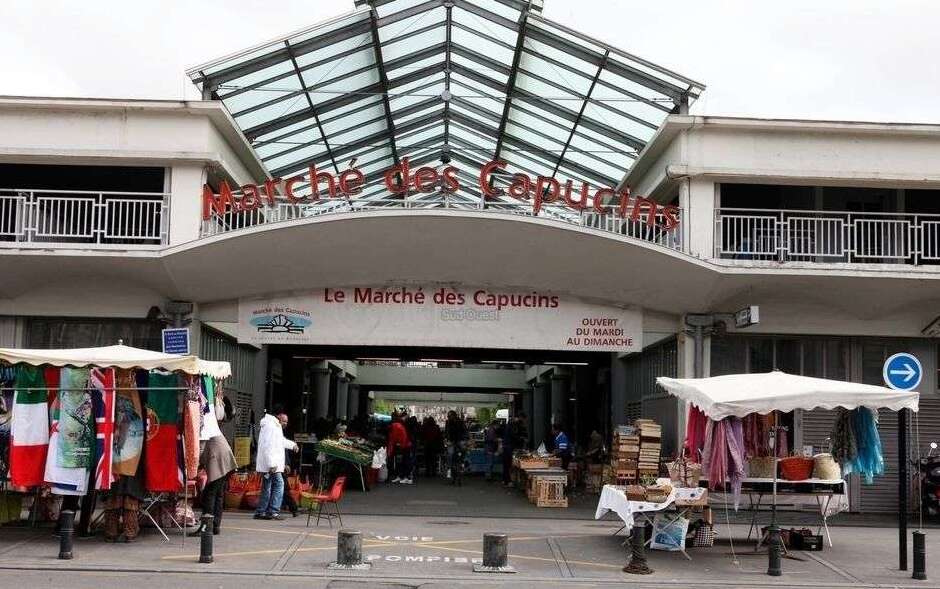

Nestled in the heart of Bordeaux, a city renowned for its wine and vibrant culture, the Marché des Capucins offers a sensory feast that captures the essence of French gastronomy and tradition. While its architectural presence might not immediately captivate the eye, it's the market's rich tapestry of history, culture, and flavors that truly enchants both locals and travelers alike.
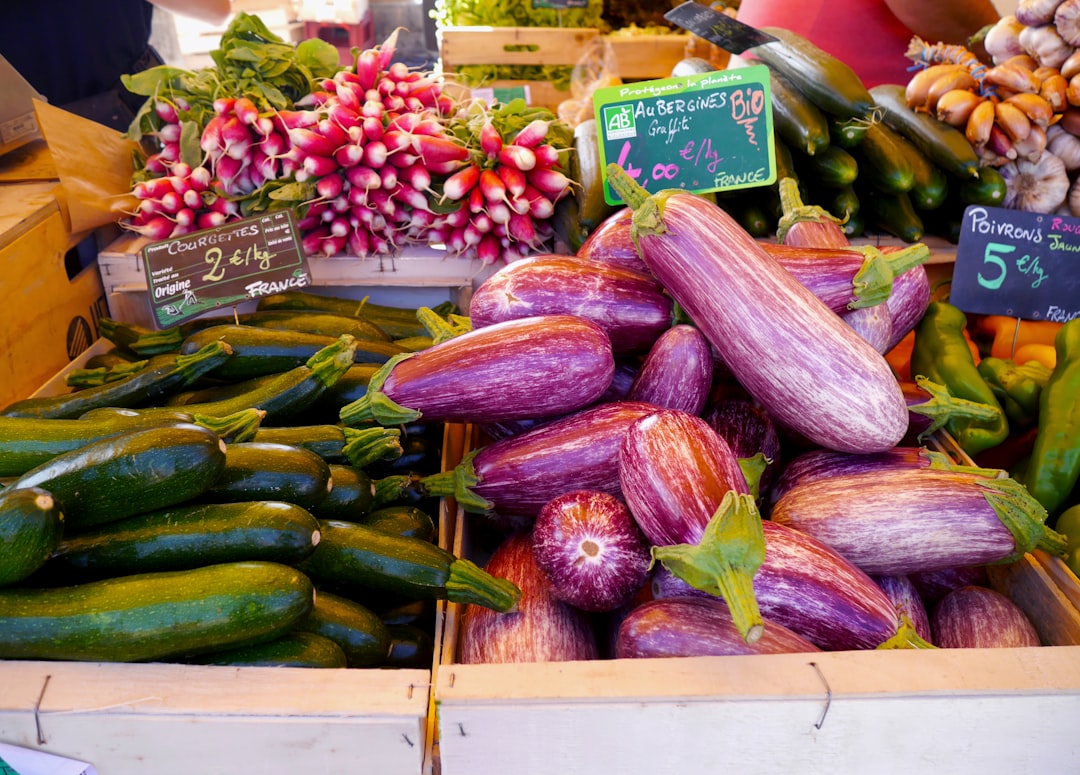
Dating back to the 18th century, the origins of the Marché des Capucins are intertwined with the history of Bordeaux itself. Originally established in 1749, the market was named after the Capuchin monks who once inhabited this area. As Bordeaux flourished as a major port city, the market evolved, cementing its status as a hub for trade and social interaction. Over the centuries, it has witnessed the city's transformation, surviving wars and economic upheavals, yet always remaining a vibrant center of commerce and community.
Architecturally, the Marché des Capucins may lack the grandeur of Bordeaux's neoclassical landmarks, but it embodies a utilitarian charm. The market hall, constructed in the 19th century, is a testament to functional design with its expansive, covered space allowing light to filter through its steel and glass structure. While it might not boast ornate facades or intricate detailing, its true beauty lies in the bustling atmosphere within—an ever-changing canvas of colors and aromas.
The market is a microcosm of local culture and traditions, a place where the rhythm of daily life in Bordeaux is both celebrated and preserved. Here, vendors engage in animated exchanges with shoppers, a tradition that reflects the warmth and conviviality of the Bordelais people. The market is also a focal point during local festivals, such as the Fête de la Gastronomie, where culinary arts take center stage, showcasing the region's rich heritage.
Gastronomy is the heartbeat of the Marché des Capucins. It offers an unrivaled opportunity to savor the flavors of the Nouvelle-Aquitaine region. From the creamy, aromatic cheeses like Ossau-Iraty and the rich, flavorful foie gras, to freshly baked pastries such as canelés—a caramelized custard delicacy unique to Bordeaux—each stall offers a taste of local tradition. Of course, no visit would be complete without sampling the celebrated wines of the region. Bordeaux reds, known for their rich, complex profiles, and refreshing whites like Entre-Deux-Mers, are available to taste and purchase directly from knowledgeable vendors.
Beyond the obvious allure of food and drink, the market holds lesser-known curiosities that add layers to its story. For instance, the market is home to a small corner known as the "Marché Noir," a nod to its past during World War II when it became a clandestine meeting point for trading goods during rationing. Additionally, a stroll through the market might reveal pop-up art exhibits or music performances, offering a glimpse into the creative pulse of the city.
For visitors, the Marché des Capucins is best explored in the early morning when the market comes alive with the chatter of vendors setting up their stalls, and the air is filled with the aroma of freshly-brewed coffee and warm bread. It's advisable to visit on weekends when the market is at its most vibrant, but note that it can get crowded, so arriving early is key. As you wander through the market, take time to engage with the stallholders; their stories and recommendations are as much a part of the market's charm as the goods they sell.
In conclusion, the Marché des Capucins is more than just a market; it is a living testament to the enduring spirit of Bordeaux. It captures the essence of the city's past and present—a place where history, culture, and gastronomy converge in a delightful celebration of life. Whether you're a seasoned gourmand or a curious traveler, the market offers a memorable journey through the heart of Bordeaux's culinary heritage.


