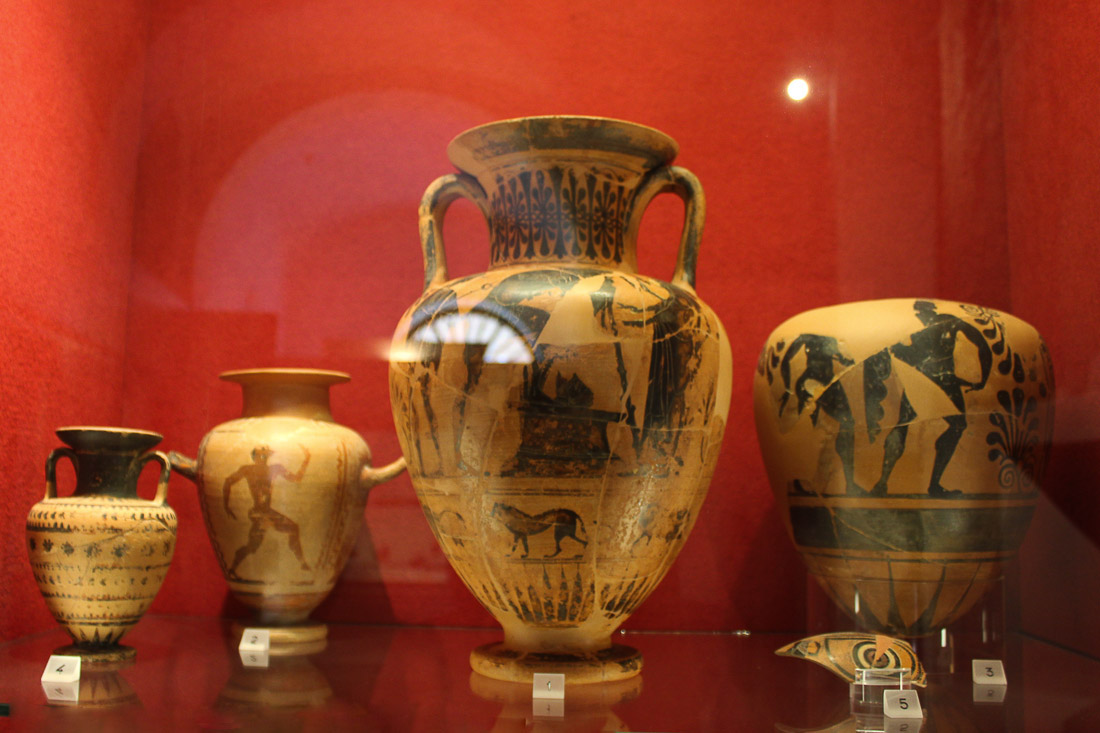

Tucked away in the heart of Grosseto, the Maremma Archaeological and Art Museum stands as a testament to the rich history and culture of the ancient Etruscans. Located in Piazza Baccarini, this museum is not just a collection of artifacts; it is a journey through time, showcasing the remarkable legacy of one of Italy’s most enigmatic civilizations.
### History and Origins The Maremma Archaeological and Art Museum was established through the vision of Canon Giovanni Cheli, who dedicated much of his life to preserving the region's archaeological heritage. The museum opened its doors in 1999, but its roots trace back to the extensive excavations in Roselle, the largest archaeological site in the province of Grosseto. This ancient city flourished from the 9th century BC until it was abandoned during the Middle Ages, leaving behind a treasure trove of artifacts.
Among the most significant finds are Etruscan cinerary urns, which provide insight into burial practices and beliefs about the afterlife. Visitors can marvel at the stele of warriors dating back to the 6th century AD, complex statuary, and decorations from the Carolingian period, which highlight the continuous human occupation of the area through various cultural epochs.
### Art and Architecture The museum itself is an architectural gem, blending modern design with the historical context of its surroundings. Its layout allows for an immersive experience, with spacious galleries that showcase the Etruscan artifacts in a manner that invites contemplation. Notable artworks include the bucchero bowl adorned with an inscription of the Etruscan alphabet, a remarkable piece dated to the 6th century BC, and a small Mithraic statue from the 3rd century BC that reflects the syncretism of ancient beliefs.
What makes the museum particularly engaging is its commitment to storytelling through art. Each exhibit not only displays artifacts but also contextualizes them within the broader narrative of Maremma’s history, illustrating the interplay of different cultures over the centuries.
### Local Culture and Traditions Grosseto and the surrounding Maremma region are rich in traditions that celebrate their ancient heritage. One such tradition is the Festa della Madonna delle Grazie, held in May, where locals pay homage to the Virgin Mary with vibrant processions and community gatherings. The festival is a beautiful blend of religious devotion and local folklore, drawing visitors from across the region.
Additionally, the area is known for its Etruscan history, which is often celebrated in local events and fairs. The Palio di Grosseto, a historical horse race, takes place annually and embodies the spirit of competition and camaraderie among the various districts of the city, echoing the ancient rivalries of Etruscan cities.
### Gastronomy No visit to Grosseto would be complete without indulging in the local cuisine. The culinary landscape of Maremma is characterized by its use of fresh, local ingredients and traditional recipes. Pici, a handmade pasta, is a staple dish often served with rich sauces like cinghiale (wild boar) or aglione (garlic sauce). The region is also famous for its Chianina beef, one of the oldest and largest cattle breeds in the world, known for its tenderness and flavor.
To complement the meal, local wines, particularly Morellino di Scansano, a robust red wine, are a must-try. This wine is produced in the nearby Scansano area and pairs excellently with the hearty local dishes.
### Lesser-Known Curiosities While many tourists flock to the more famous attractions, the Maremma Archaeological and Art Museum offers hidden gems that often go unnoticed. One intriguing story involves the Etruscan cinerary urns, which often feature intricate designs that tell stories about the deceased. Many of these urns were crafted with great care, as they were believed to house the souls of the departed, and their artistic details often include references to daily life and mythology.
Another fascinating aspect is the museum's collection of Roman-era artifacts, which are reminders of the region's transition from Etruscan dominance to Roman control. Visitors can see how styles and techniques evolved, revealing a rich tapestry of cultural exchange.
### Practical Visitor Information The best time to visit the Maremma Archaeological and Art Museum is during the spring and early fall when the weather is pleasantly mild. It is advisable to check the museum's website for special exhibitions and events that might coincide with your visit.
Don’t miss the opportunity to explore the educational panels that accompany each exhibit, as they offer valuable insights into the artifacts’ significance. A guided tour can enhance your experience, providing deeper understanding and context.
In conclusion, the Maremma Archaeological and Art Museum serves as a bridge connecting the past with the present, making it a must-visit for anyone interested in Etruscan history and culture. Whether you are an avid historian or a casual traveler, the museum promises an enriching experience that resonates long after your visit.
For a more personalized exploration of Grosseto, consider using the Secret World app to craft your own unique itinerary.
