
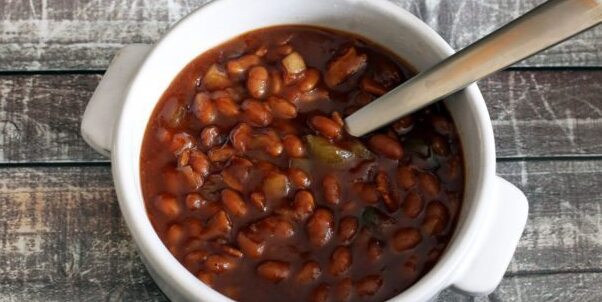

Nestled in the verdant hills of Tuscany, the Tuscan Butter Bean—known locally as *Fagiolo di Sorana*—is not just a culinary delight but a vibrant symbol of the region's rich agricultural heritage. With its dark brown color and delicate flavor, this bean has captivated palates for generations. Its origins trace back to the early agricultural practices of the Etruscans, who cultivated the fertile lands of Tuscany long before the Romans established their empire.
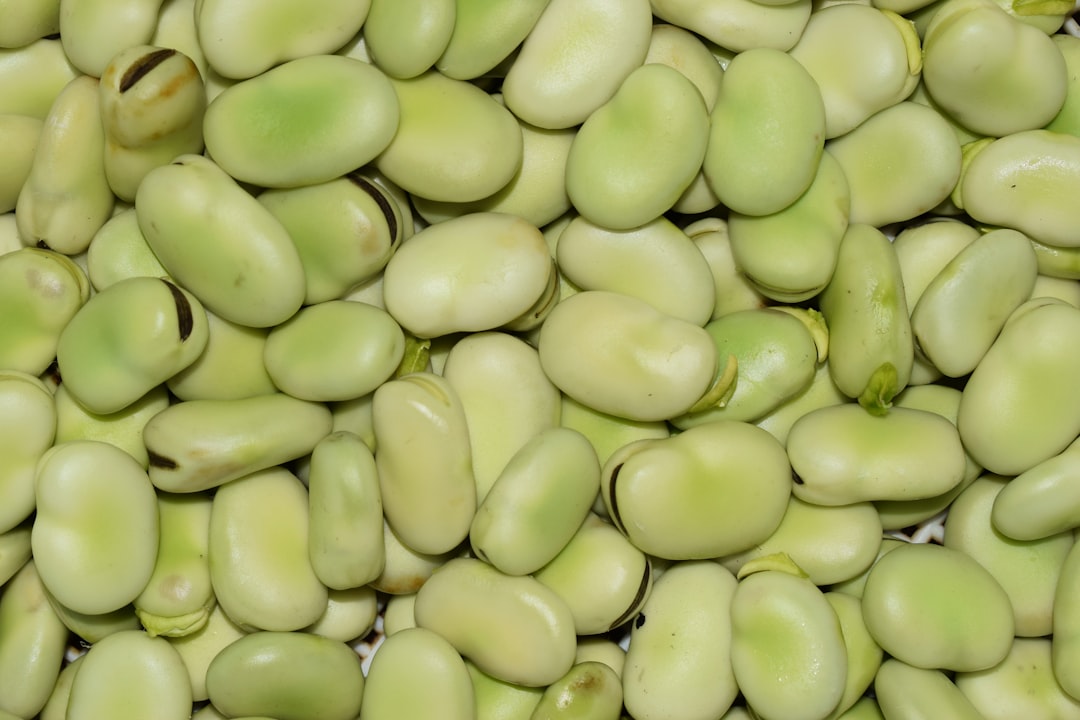
History and Origins The Tuscan Butter Bean's story begins in the small village of Sorana, located in the Pistoia province. This leguminous treasure is believed to have been cultivated since the Etruscan period, around 800 BC, making it a vital part of the region’s agricultural history. The bean thrived in the Serchio Valley, where the combination of rich volcanic soil and temperate climate created ideal growing conditions.
During the Renaissance, the bean gained popularity among the nobility, who appreciated its buttery texture and versatility. The Medici family, known for their patronage of the arts and agriculture, played a role in promoting this local delicacy. By the 19th century, the Tuscan Butter Bean was celebrated in local markets, and its reputation spread beyond Tuscany, becoming a key ingredient in the regional cuisine.
Art and Architecture While the Tuscan Butter Bean itself may not be a work of art, its home—Tuscany—is a masterpiece of architectural and artistic heritage. The Renaissance period birthed some of Italy's most iconic structures, including Florence's Duomo and the Ponte Vecchio. The region is dotted with charming hilltop villages, where the rustic architecture harmonizes with the rolling landscapes. Artworks depicting agricultural scenes, such as those by Giovanni Bellini and Caravaggio, reflect the region’s deep connection to its farming roots.
Local Culture and Traditions In Tuscany, the cultivation of the Tuscan Butter Bean is not merely an agricultural activity but a tradition steeped in local culture. The bean is celebrated during various festivals, particularly the Festa del Fagiolo di Sorana, held annually in September. This event showcases local dishes, music, and crafts, allowing visitors to immerse themselves in the rich tapestry of Tuscan life. The festival not only honors the bean but also brings together the community, reinforcing the bond between tradition and modernity.
Gastronomy The culinary applications of the Tuscan Butter Bean are as diverse as the region itself. It is often used in traditional dishes such as *Pasta e Fagioli*, a comforting soup combining beans with pasta, tomatoes, and aromatic herbs. The beans can also be roasted and served as a side dish, or blended into creamy spreads for bruschetta. Locals often pair these dishes with a glass of Chianti or Brunello di Montalcino, two of Tuscany's renowned wines, enhancing the dining experience with robust flavors that complement the delicate butteriness of the beans.
Lesser-Known Curiosities One interesting fact about the Tuscan Butter Bean is its unique S-shaped pods, which can grow up to 170 mm long. This distinct shape not only makes them visually appealing but also contributes to their delicate flavor. Moreover, the beans are known for their health benefits, being rich in protein, fiber, and vitamins, thus playing a role in the Mediterranean diet praised for its health advantages. Even more intriguing is the fact that this bean is still cultivated using traditional methods, reflecting a commitment to sustainable agriculture that resonates with today's eco-conscious travelers.
Practical Visitor Information The best time to visit Tuscany for bean enthusiasts is during the spring and early fall, when the fields are lush and the harvest festivals are in full swing. Visitors should seek out local markets in Pistoia and Lucca to sample the freshest beans and local dishes. Engaging with local farmers and artisans provides a deeper understanding of the culinary traditions tied to this unique bean. Be sure to explore the picturesque landscapes that inspired countless artists, as Tuscany's beauty is as rich as its culinary offerings.
In conclusion, the Tuscan Butter Bean is more than just a food item; it is a symbol of Tuscany’s heritage and a testament to the region's agricultural excellence. To explore the best of Tuscany tailored to your interests, consider using the Secret World app for a personalized itinerary.


