
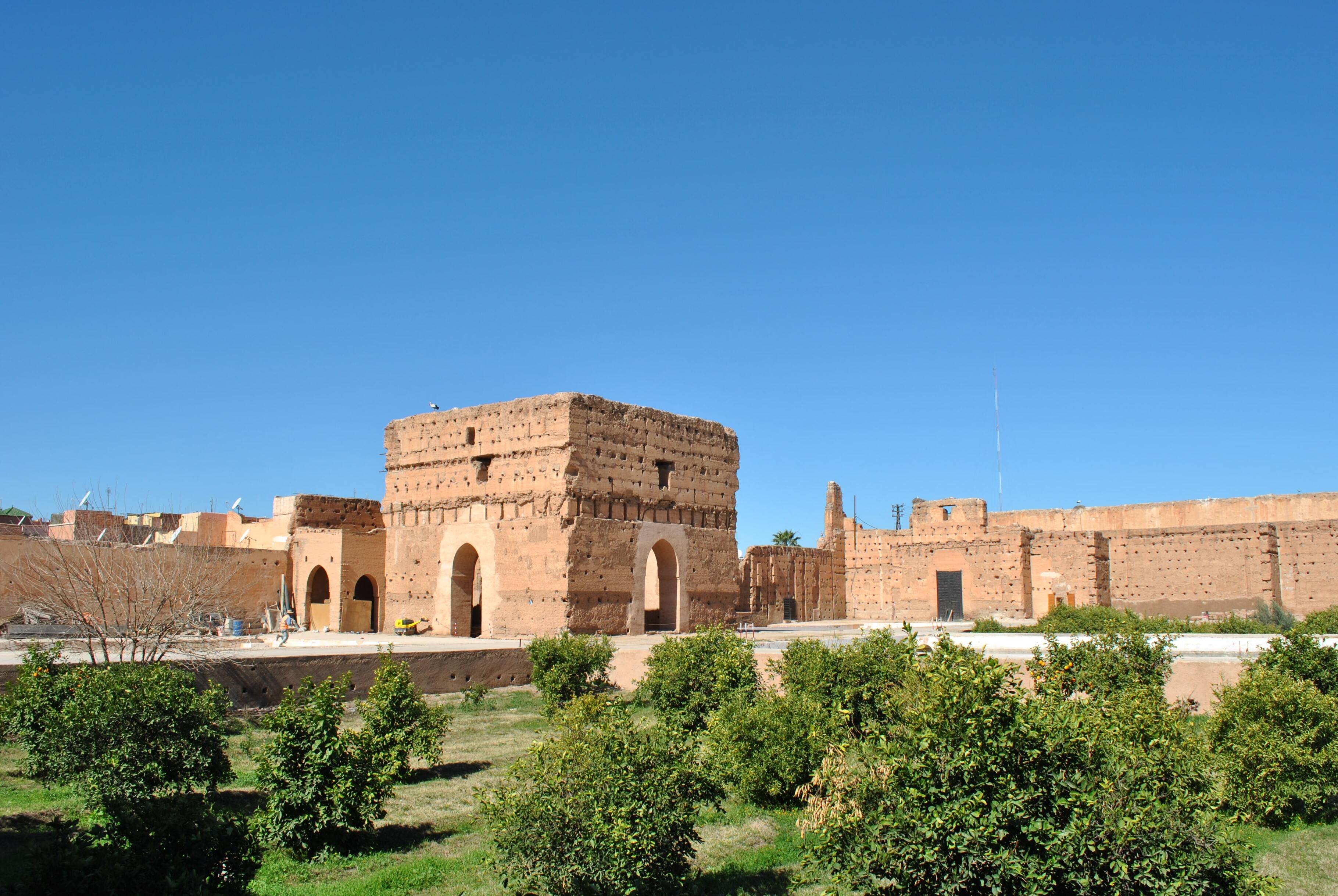

Nestled in the heart of Marrakesh, El Badi Palace stands as a testament to Morocco's rich history, echoing tales of grandeur and ambition from the 16th century. Once a jewel of the Saadian dynasty, the palace was commissioned by Sultan Ahmed al-Mansour in 1578 to commemorate his victory over the Portuguese at the Battle of the Three Kings. Originally boasting 360 rooms adorned with gold, turquoise, and crystal, the palace was an embodiment of opulence and power.
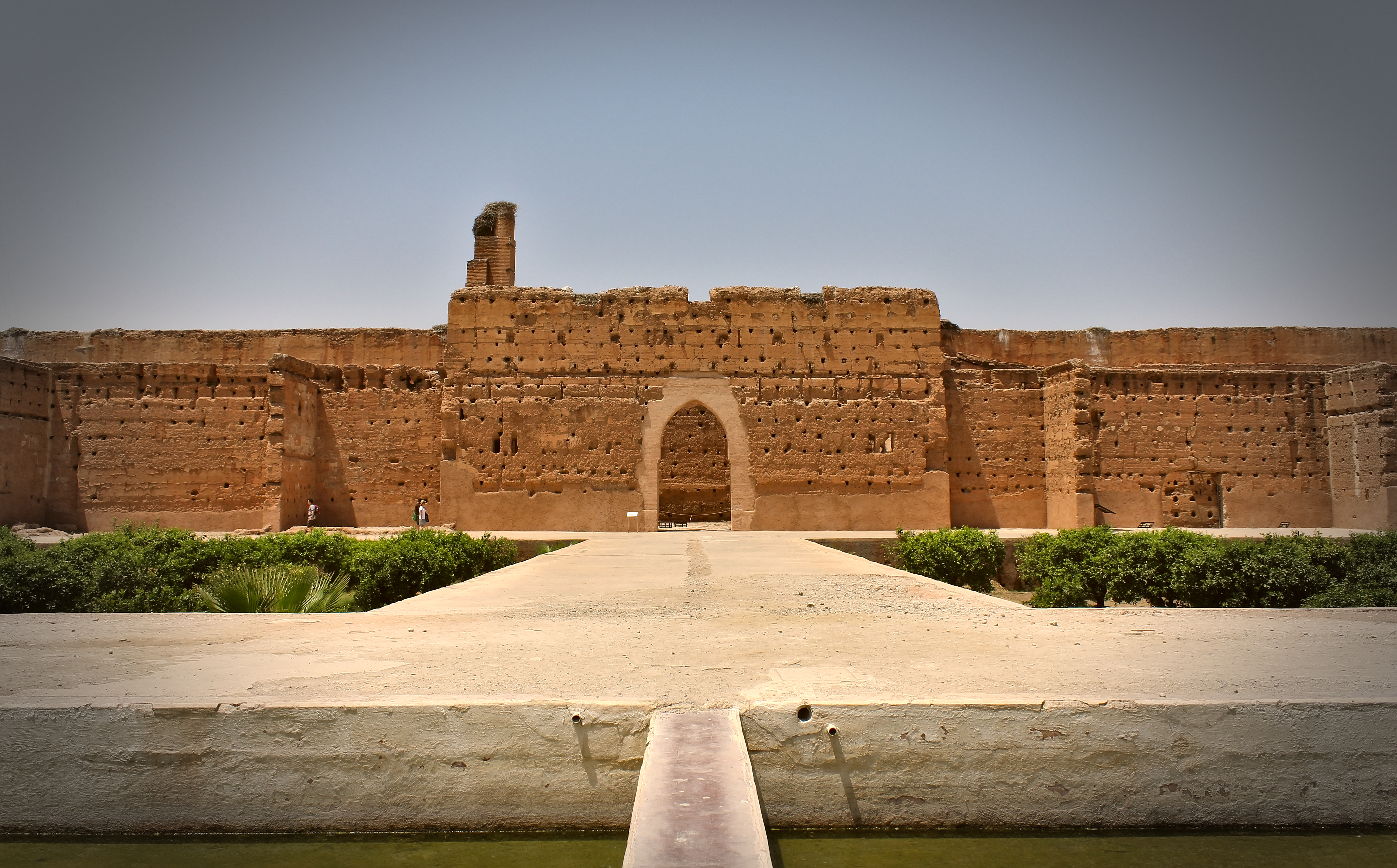
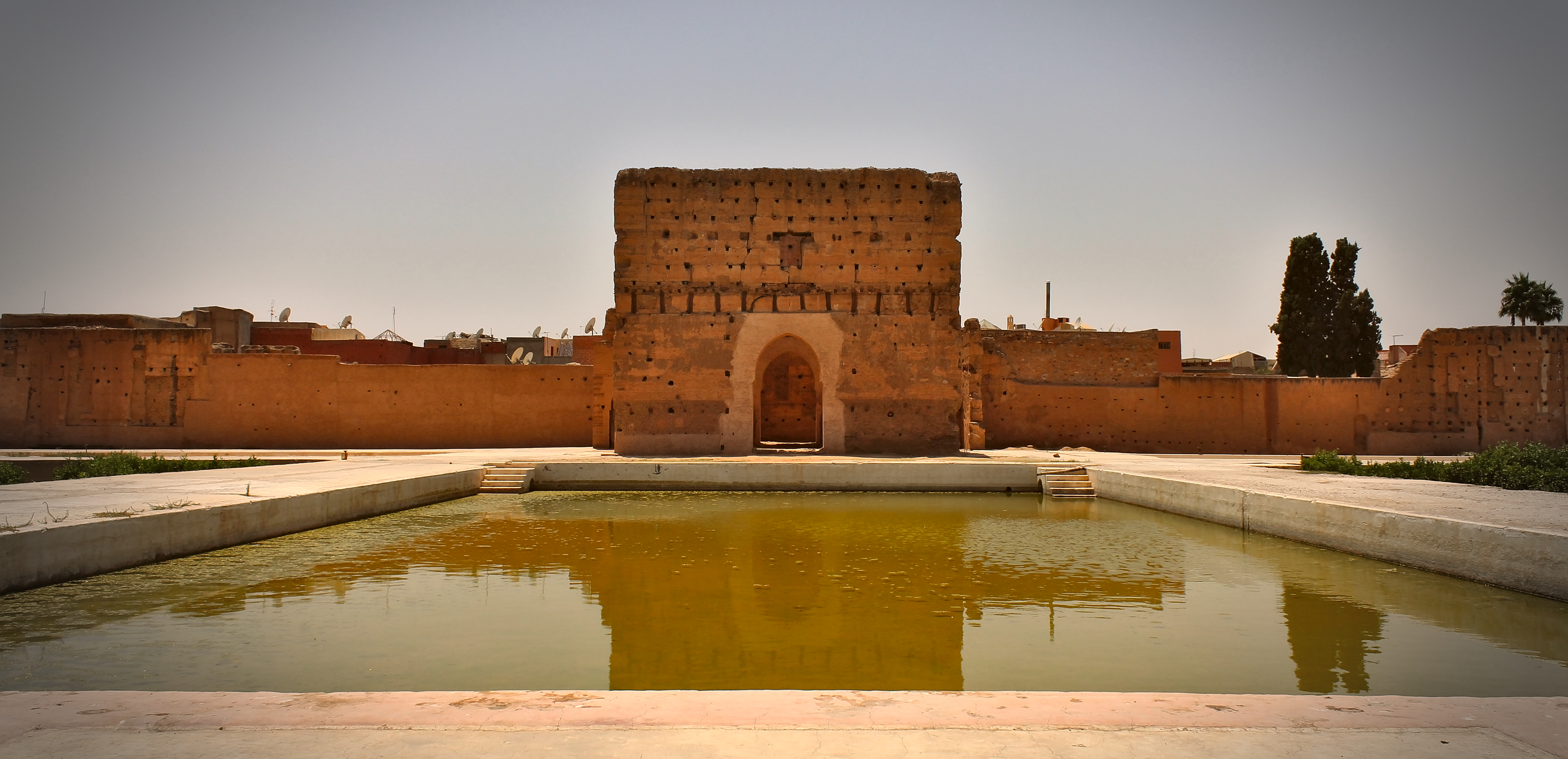
The construction of El Badi represented an era of architectural innovation, drawing influences from Moorish and Islamic styles, blended seamlessly with Moroccan artistry. The palace's courtyard, with its vast sunken gardens and intricate water features, was once a vibrant display of lush greenery and sparkling fountains. Though much of its original splendor was stripped away by Sultan Moulay Ismail in the late 17th century to embellish his capital at Meknes, the ruins of El Badi still captivate visitors with their haunting beauty.
As you wander through the remains, the towering ramparts and expansive esplanade are reminders of the palace's past grandeur. Look closely, and you'll discover remnants of exquisite craftsmanship in the mosaics and the occasional fragment of zellige tiles still clinging to weathered walls. The palace's historical significance is further enriched by its role as a venue for the annual Marrakesh Biennale, which transforms the space into a hub of contemporary art and cultural dialogue.
The cultural tapestry of Marrakesh enhances the allure of El Badi. The city is a vibrant melting pot of traditions and customs, where the call to prayer mingles with the bustling sounds of the Medina. Local festivals, such as the Marrakesh Popular Arts Festival, bring the city's history and traditions to life, celebrating with music, dance, and storytelling.
No visit to Marrakesh is complete without savoring its culinary delights. The city’s gastronomy reflects its rich heritage, with dishes like tagine, couscous, and pastilla offering a taste of Morocco's diverse flavors. In the vicinity of El Badi, you'll find bustling food stalls serving everything from harira soup to freshly pressed orange juice, echoing the vibrant spirit of Marrakesh’s street food culture.
While El Badi's grandeur is well-documented, there are lesser-known stories that intrigue. Legend has it that a secret tunnel once connected the palace to other parts of the city, used by the sultan for discreet travels. Additionally, the palace is home to a thriving population of storks, whose nests atop its walls add a unique charm to the site, regarded by locals as symbols of good fortune.
For those planning a visit, the best time to explore El Badi is during the cooler months from October to April. Arrive early to avoid crowds and take in the tranquility of the morning light casting shadows across the ancient stones. Allow yourself to pause and imagine the palace in its heyday, a bustling center of power and elegance.
As you plan your journey to explore the enigmatic beauty of Marrakesh and the storied El Badi, consider using the Secret World app to craft an itinerary that unveils the city's best-kept secrets.


