


In the heart of Hawaii, the Mauna Loa Observatory stands as a beacon of knowledge and discovery. Located at over 3,400 meters above sea level, this extraordinary atmospheric research center offers breathtaking views of the archipelago and the vast surrounding ocean. But the true beauty of Mauna Loa lies in its mission: to study the Earth's atmosphere and monitor ongoing climate changes.

Every year, scientists from around the world gather here to analyze the air we breathe and to collect crucial data that informs global environmental policies. The Observatory is not only an important research center, but it is also a symbol of the fight against air pollution and the climate changes that threaten our planet.
A Cutting-Edge Research Center

Founded in 1956, the Mauna Loa Observatory is part of the atmospheric monitoring program managed by NOAA (National Oceanic and Atmospheric Administration). It is known for its high-quality measurements of greenhouse gases, particularly carbon dioxide (CO2). Thanks to its isolated location and pristine air, Mauna Loa is considered one of the best places in the world for atmospheric monitoring.
The CO2 measurements taken here are among the most important and respected globally. The data collected has shown a steady increase in CO2 levels in the atmosphere, providing tangible evidence of ongoing climate change. Every day, scientists here work tirelessly, analyzing air samples that are sent to laboratories for further study.

Impact on Climate Understanding
The research conducted at the Mauna Loa Observatory has had a significant impact on our understanding of climate change. Through the analysis of historical data, scientists have been able to track trends in greenhouse gases and assess how human activities, such as the burning of fossil fuels and deforestation, have contributed to the rise in global temperatures.
These data not only inform researchers but also policymakers at the global level. The information gathered at the Observatory is used to develop strategies and action plans to combat climate change, making this place crucial for the future of our planet.
A Journey Among the Clouds

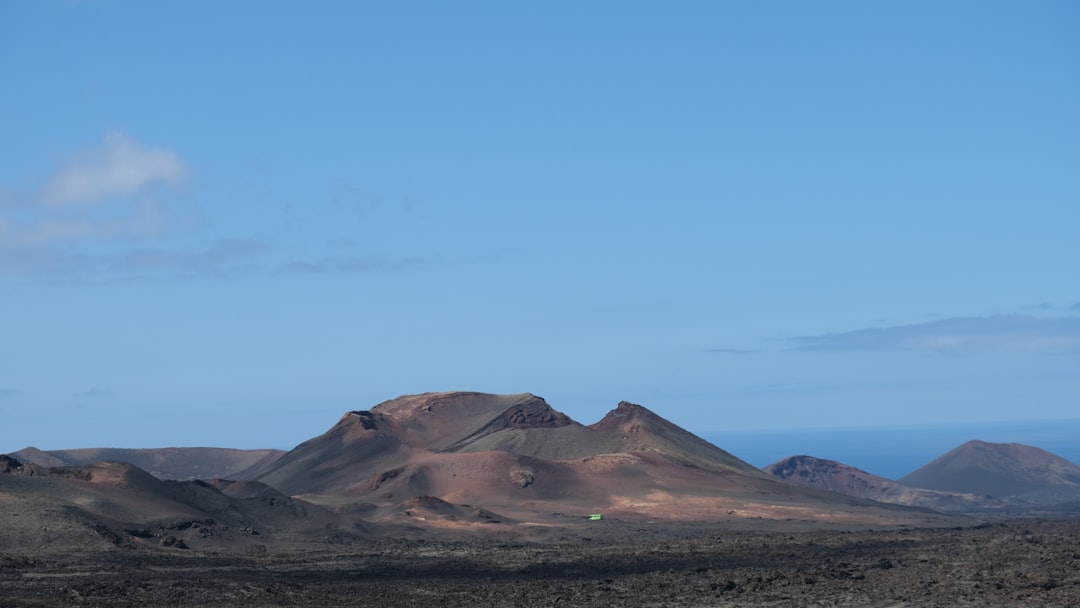
Visiting it is an experience that goes far beyond the scientific aspect. The road leading to the Mauna Loa Observatory traverses spectacular landscapes, from lush Hawaiian pine forests to arid lava fields. The air becomes thinner as you ascend, and the view that opens up to visitors is simply extraordinary. With a deep blue sky merging with the white of the underlying cloud masses, one truly feels suspended between earth and sky.
Upon arrival, visitors can explore the center and learn more about ongoing research projects through exhibits and presentations. It is a unique opportunity to immerse oneself in the world of atmospheric science and discover how the research conducted here influences the daily lives of billions of people around the world.
Perspectives for the Future
With the increase in global temperatures and the rise in air pollution, the work being done at the Mauna Loa Observatory is more important than ever. Scientists are continuing to develop new technologies and methodologies to improve the accuracy of measurements and expand the range of data collected. Climate change is a complex challenge, but thanks to the efforts made here, there is essential data and knowledge to address it.
Furthermore, the Mauna Loa Observatory is an example of how science can unite people from all over the world in a common goal: the safeguarding of our environment. As a bastion of atmospheric research, it is a place where science meets nature, and where the future of our Earth is being written, one breath at a time.


