
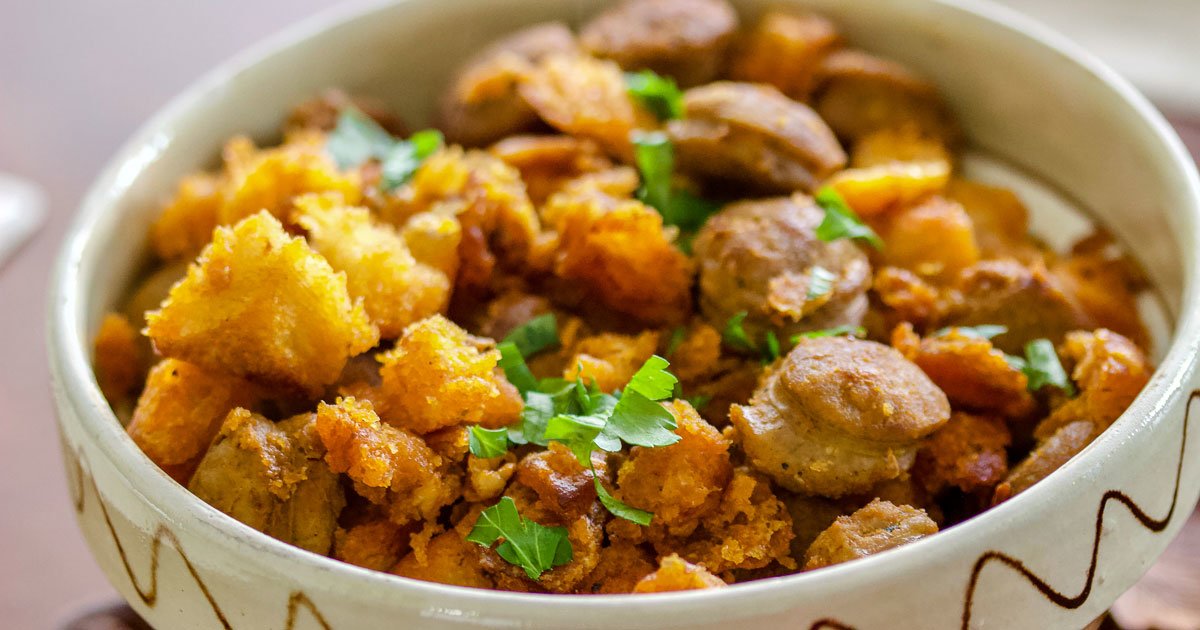

A legendary dish spoken of in almost hushed tones by Spaniards, Migas is a good example of how much of Spain's cuisine has evolved from peasant food. Originating from humble beginnings, it is a dish that honors the resourcefulness of rural communities, transforming simple leftover bread into a hearty, flavorful meal. The name Migas translates to “crumbs,” a nod to its core ingredient—bread pieces, often fried and tossed with an array of ingredients such as chorizo, bacon, or vegetables. Traditionally, this dish was prepared for breakfast, utilizing stale bread, but over the years, it has found its way onto lunch and dinner menus across Madrid and beyond, reflecting the changing dynamics of Spanish gastronomy.

History and Origins The origins of Migas can be traced back to the Iberian Peninsula, where it was a staple among the working class in the Middle Ages. The dish has roots in both Spain and Portugal, with each country claiming its own variations. In the past, when bread was a primary source of sustenance, it was common to use leftover bread to prevent waste. Historical texts suggest that Migas might have been consumed by Spanish shepherds in the Sierra de Guadarrama, who prepared it over campfires, adding whatever ingredients they had on hand. The dish evolved over time, gaining prominence in the 16th century when it began appearing in cookbooks as a more refined meal. Today, it stands as a testament to Spain’s culinary heritage, celebrated for its rustic charm and versatility.
Art and Architecture While Migas itself is a culinary masterpiece, the ambiance in which it is enjoyed can be equally captivating. Many traditional taverns and restaurants throughout Madrid boast beautiful Castilian-style architecture, with wooden beams and rustic decor that evoke a sense of history. Notable establishments like Casa Lucio, famous for its huevos rotos, often serve Migas as a side dish, enveloping diners in an atmosphere steeped in Spanish culture. The vibrant ceramic tiles and colorful murals depicting local landscapes enhance the dining experience, grounding the dish within the cultural and artistic fabric of the city.
Local Culture and Traditions In Madrid, Migas is more than just a meal; it’s a social experience. Often enjoyed during family gatherings or celebrations, this dish embodies the spirit of Spanish hospitality. Festivals such as La Fiesta de San Isidro in May showcase traditional foods, including Migas, enticing locals and tourists alike to savor the rich flavors of Spanish cuisine in a festive atmosphere. Additionally, the Semana Santa (Holy Week) celebrations see families coming together to share meals, often featuring Migas as a comforting dish to enjoy after long processions. This cultural significance highlights how food serves as a bridge between generations, fostering connections through shared culinary traditions.
Gastronomy In Madrid, Migas is often prepared with a variety of ingredients, depending on the region. The most traditional version includes chorizo, garlic, and paprika, giving it a distinctive Spanish flair. Other popular variations feature bacon, green peppers, or even grapes for a touch of sweetness. Pairing Migas with a glass of Spanish red wine or a refreshing tinto de verano elevates the meal, making it a perfect choice for lunch or dinner. Popular spots like Taberna El Sur or La Taberna de Elia serve up delicious renditions that are sure to impress any palate.
Lesser-known Curiosities Despite its popularity, many tourists overlook the regional variations of Migas. In Extremadura, for example, they might include dried fish or cured meats, while in Andalusia, a drizzle of olive oil and a sprinkle of herbs can add a different dimension. Interestingly, the dish has also inspired modern interpretations, with chefs experimenting by incorporating ingredients like quinoa or gluten-free bread, making it accessible to varying dietary preferences. Moreover, the ritual of sharing Migas often involves storytelling, where families recount tales of their ancestors, making each meal a celebration of heritage and community.
Practical Visitor Information The best time to savor Migas in Madrid is during the cooler months, particularly in autumn and winter, when hearty meals are most welcomed. Look for local eateries that specialize in traditional dishes to experience the authentic flavors of this legendary dish. Dining in the evening, especially during the siesta hours, allows you to enjoy Migas in a relaxed setting, often accompanied by live flamenco music in some venues. To make the most of your culinary adventure, consider exploring the vibrant La Latina neighborhood, known for its tapas bars and bustling atmosphere.
As you journey through the charming streets of Madrid, don’t miss the chance to indulge in Migas, a dish that tells a story of Spain’s rich culinary past. For a personalized itinerary to discover the culinary delights of the city, consider using the Secret World app to plan your experience.


