
In the heart of Lombardy, Milan pulses with a vibrant energy that beckons travelers from around the globe. Once jokingly referred to by Romans as a mere transit point to the Eternal City, this metropolis has blossomed into a cultural and economic powerhouse of Italy. Today, Milan stands as a testament to the harmony of history and modernity, where ancient heritage collides with avant-garde innovation.
### History and Origins
Milan's roots trace back to the Celtic tribe known as the Insubres, who founded the city around 600 BC. The Romans conquered it in 222 BC, renaming it Mediolanum. Due to its strategic location, Milan flourished as a significant economic hub through the Roman Empire, later becoming the capital of the Western Roman Empire under Emperor Constantine in the 4th century.
The city has witnessed pivotal moments in history, including the Middle Ages, when it became a powerful city-state. In the 15th century, the Sforza family transformed Milan into a cultural center, attracting artists such as Leonardo da Vinci and Donato Bramante. The Ducal Palace and the Cathedral of Milan were constructed during this period, leaving a lasting architectural legacy.
### Art and Architecture
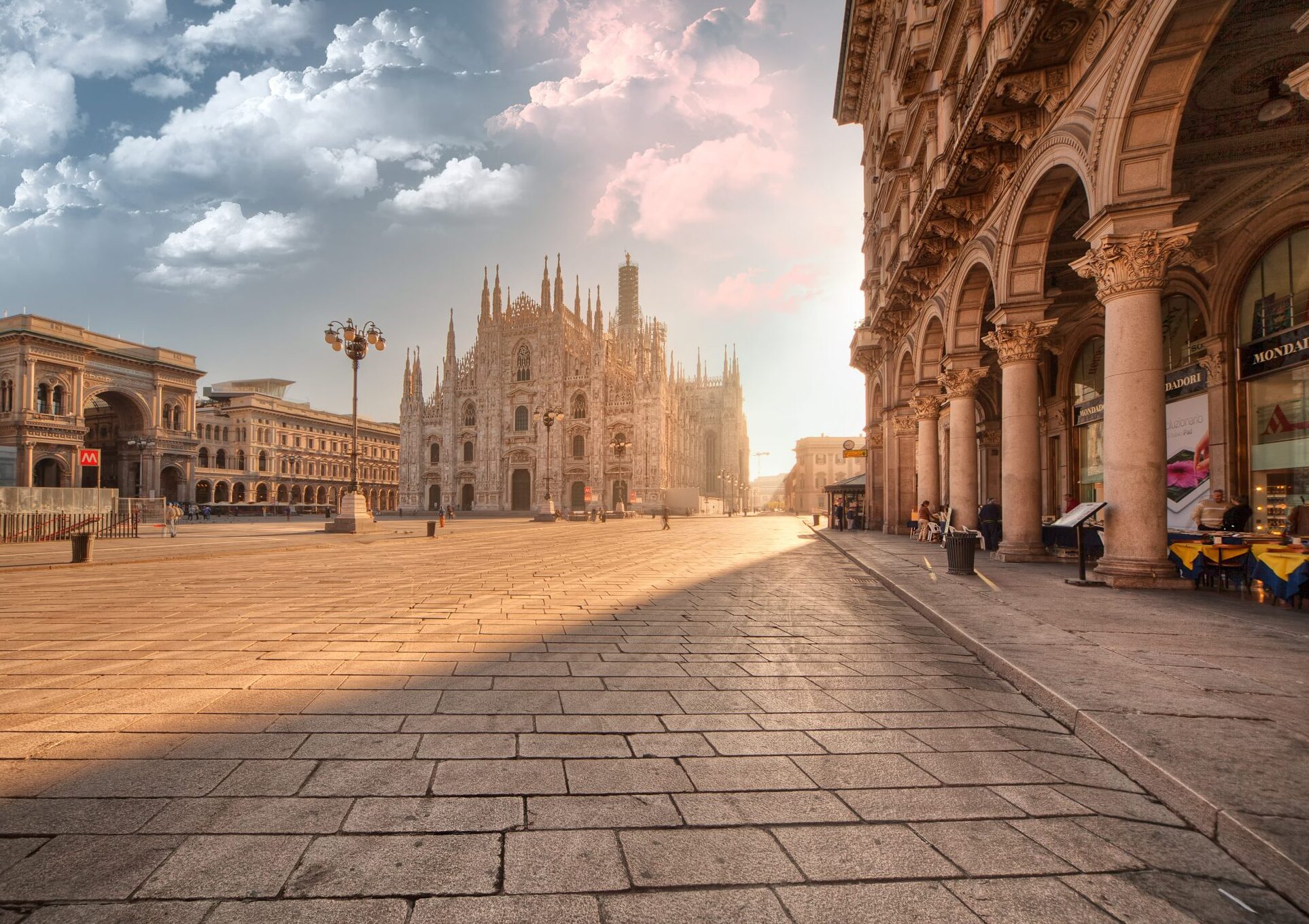
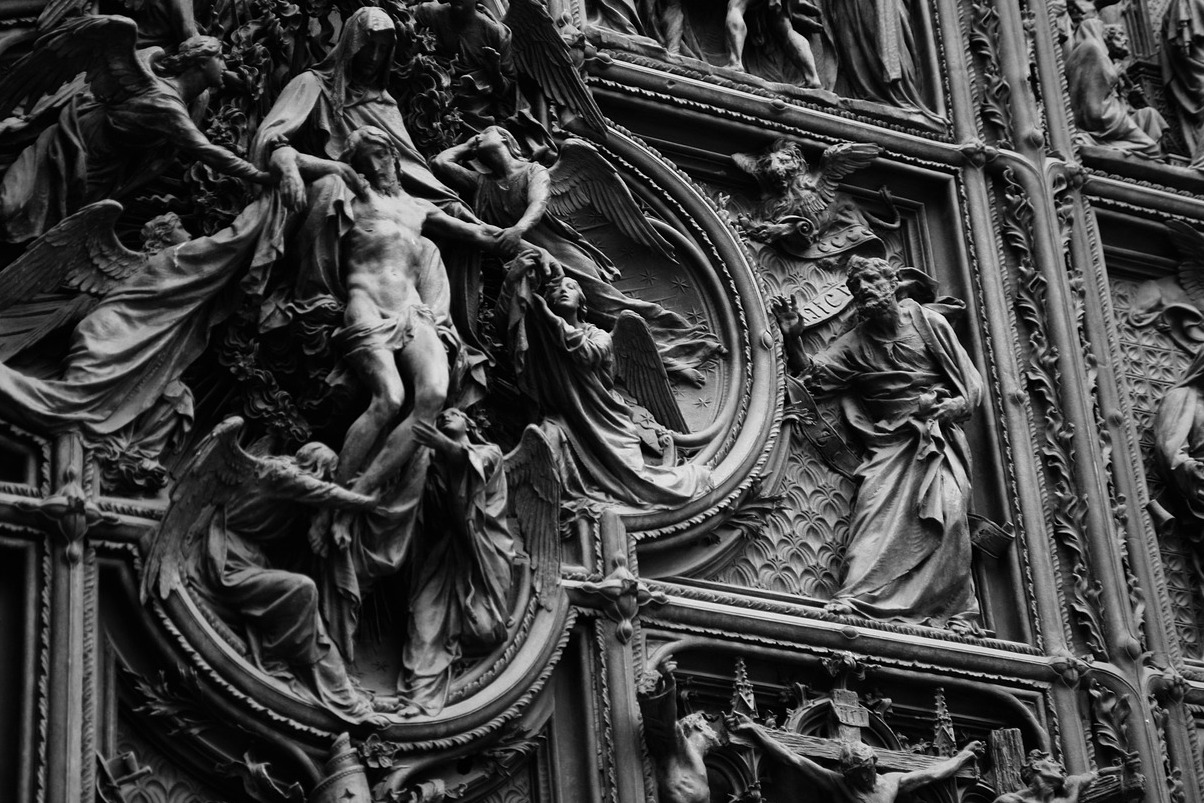
Milan is a canvas painted with diverse architectural styles, from Gothic to Renaissance and beyond. The Duomo di Milano, a stunning Gothic cathedral completed in the 20th century, showcases intricate spires and over 3,400 statues, making it a must-see landmark. The nearby Galleria Vittorio Emanuele II, one of the world's oldest shopping galleries, is an architectural marvel adorned with stunning mosaics and glass ceilings.
Art enthusiasts will find themselves captivated by Leonardo da Vinci's masterpiece, The Last Supper, housed in the Convent of Santa Maria delle Grazie. This iconic mural, painted in the late 15th century, captures a pivotal moment from the New Testament and remains one of the most revered artworks in history.
### Local Culture and Traditions
Milan's cultural landscape is vibrant and diverse, celebrating both its historical roots and contemporary influences. The city hosts numerous festivals, including the Milano Fashion Week, a biannual event that attracts designers and fashionistas worldwide. The Salone del Mobile, held every April, showcases the latest in furniture and design innovations, cementing Milan's status as a global design capital.
Local customs are deeply entwined with the city’s rich heritage. One notable tradition is the Aperitivo, a pre-dinner ritual where locals gather to enjoy drinks accompanied by small bites. It's a perfect opportunity to experience the city’s lively social scene while sampling traditional snacks like bruschetta and crostini.
### Gastronomy
Milan's culinary scene reflects its rich cultural tapestry, offering a delightful array of traditional dishes. Risotto alla Milanese, a creamy risotto infused with saffron, is a signature dish that embodies the city's flavors. Another local favorite is Cotoletta alla Milanese, a breaded veal cutlet that is crispy on the outside and tender within, often served with a side of potato or salad.
For dessert, indulge in Panettone, a sweet bread loaf filled with dried fruits and traditionally enjoyed during the Christmas season. Pair it with a glass of Franciacorta, a sparkling wine from nearby Brescia, for the ultimate Milanese dining experience.
### Lesser-Known Curiosities
Beyond the well-trodden tourist paths, Milan hides intriguing stories and unique facts. Did you know that the city is home to the world's oldest shopping mall, the Galleria Vittorio Emanuele II, built in 1867? Additionally, the Cimitero Monumentale is not just a cemetery but an open-air museum showcasing elaborate tombs and sculptures dedicated to notable figures.
Another curious aspect is the city's underground canals, known as the Navigli, which were once vital for trade and transport. Today, they form a picturesque area lined with cafés and art galleries, perfect for a leisurely stroll away from the bustling city life.
### Practical Visitor Information
The best time to visit Milan is during the spring and fall when the weather is mild, and the city hosts various cultural events. Be sure to book tickets in advance for popular attractions like The Last Supper to avoid long queues.
Getting around is convenient, with an extensive public transport system that includes trams, buses, and a metro network. Exploring on foot is equally rewarding, especially in the historical districts where every corner reveals a piece of history.
For a personalized experience that captures the essence of Milan, consider using the Secret World app to craft your unique itinerary.