
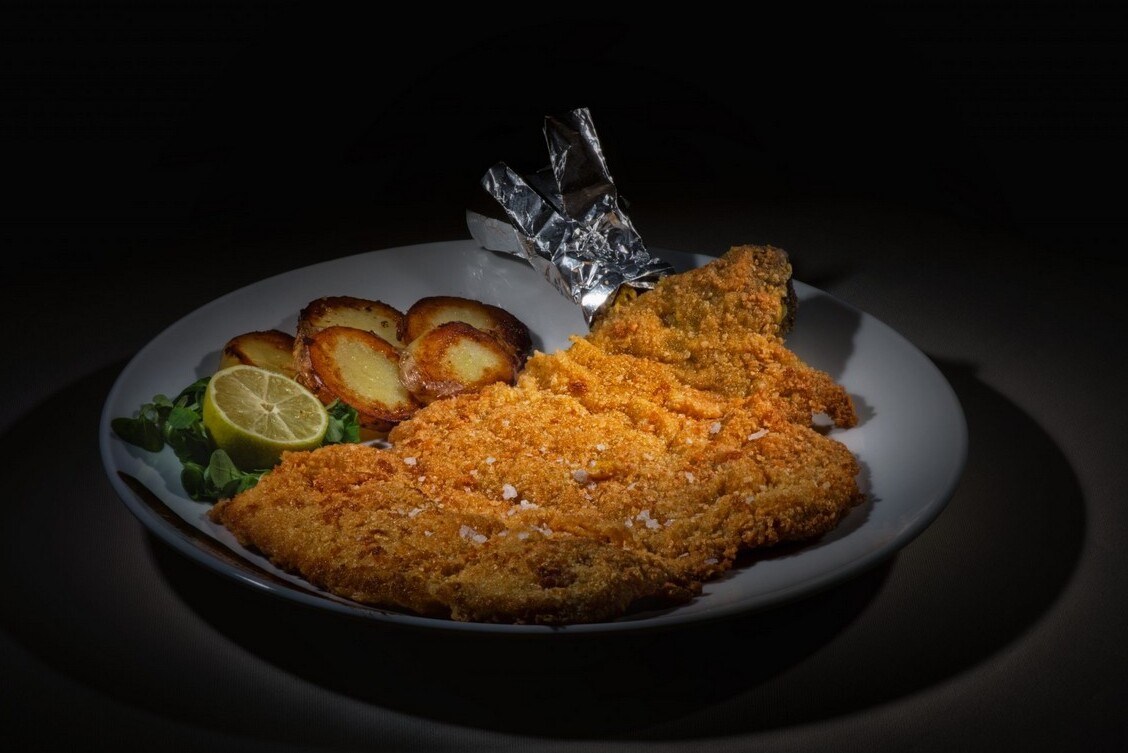

In the heart of Milan, a city renowned for its fashion-forward attitude and Gothic splendor, lies a culinary gem that has stood the test of time: the cotoletta alla milanese. This iconic dish, with its golden crust and tender meat, is not just a staple on local menus but a testament to Milan's rich tapestry of history and culture.
The origins of the cotoletta alla milanese trace back to the 12th century. Historical records from 1134 mention a dish called "lombolos cum panitio," which was served in the banquet halls of Sant'Ambrogio Basilica, one of Milan's oldest churches. This early reference reveals the dish's long-standing connection to Milan's culinary heritage. The cotoletta, a breaded veal cutlet, is often compared to the Viennese schnitzel, yet locals staunchly defend its Milanese roots, citing centuries of tradition and the unique preparation method that sets it apart.
Milan's architecture, much like its culinary history, is a blend of the ancient and the contemporary. The grandeur of the Duomo di Milano dominates the cityscape with its intricate Gothic architecture, while the Sforza Castle tells tales of Renaissance power and prestige. Art lovers flock to Santa Maria delle Grazie to view Leonardo da Vinci's "The Last Supper," a masterpiece that underscores Milan's significant role in the art world. Each of these landmarks offers a glimpse into the city's storied past, complementing the experience of indulging in its traditional cuisine.
The cultural heartbeat of Milan is palpable during its vibrant festivals. The Festa di Sant’Ambrogio, held every December 7th, celebrates the city's patron saint with religious ceremonies and a lively market. The Carnival Ambrosiano is another highlight, featuring colorful parades and costumes that reflect Milan's unique blend of tradition and modernity. These events are woven into the fabric of Milanese life, offering visitors a chance to immerse themselves in local customs.
Of course, no exploration of Milan is complete without indulging in its gastronomy. Beyond the cotoletta alla milanese, the city offers a variety of culinary delights. Risotto alla Milanese, infused with saffron, and ossobuco, a slow-cooked veal dish, are quintessential Milanese dishes that showcase the region's love for rich, hearty flavors. Pair these with a glass of Barbera or Nebbiolo, local wines that perfectly complement the robust tastes of Lombardy.
Milan is also home to some lesser-known curiosities that await the intrepid traveler. Beneath the bustling streets lies the Crypt of San Sepolcro, a hidden gem dating back to the 11th century, offering a serene escape into history. Another unique spot is the Vigna di Leonardo, a vineyard gifted to da Vinci by Ludovico Sforza, where visitors can stroll through the same vines the Renaissance master once tended.
For those planning a visit, the best time to explore Milan is during the spring (April to June) or fall (September to October) when the weather is mild, and the city is alive with events. When dining, look for restaurants that boast of "cucina tipica milanese" to ensure an authentic cotoletta experience. And while the bustling districts like Brera and Navigli are popular, a venture into quieter neighborhoods such as Porta Romana can reveal charming local eateries and hidden cafés.
In Milan, every dish tells a story, every building whispers history, and every street pulses with a culture that is both ancient and avant-garde. The cotoletta alla milanese is more than a meal; it is a slice of Milanese identity, a delicious entry point into the rich tapestry of a city that continues to inspire and captivate.


