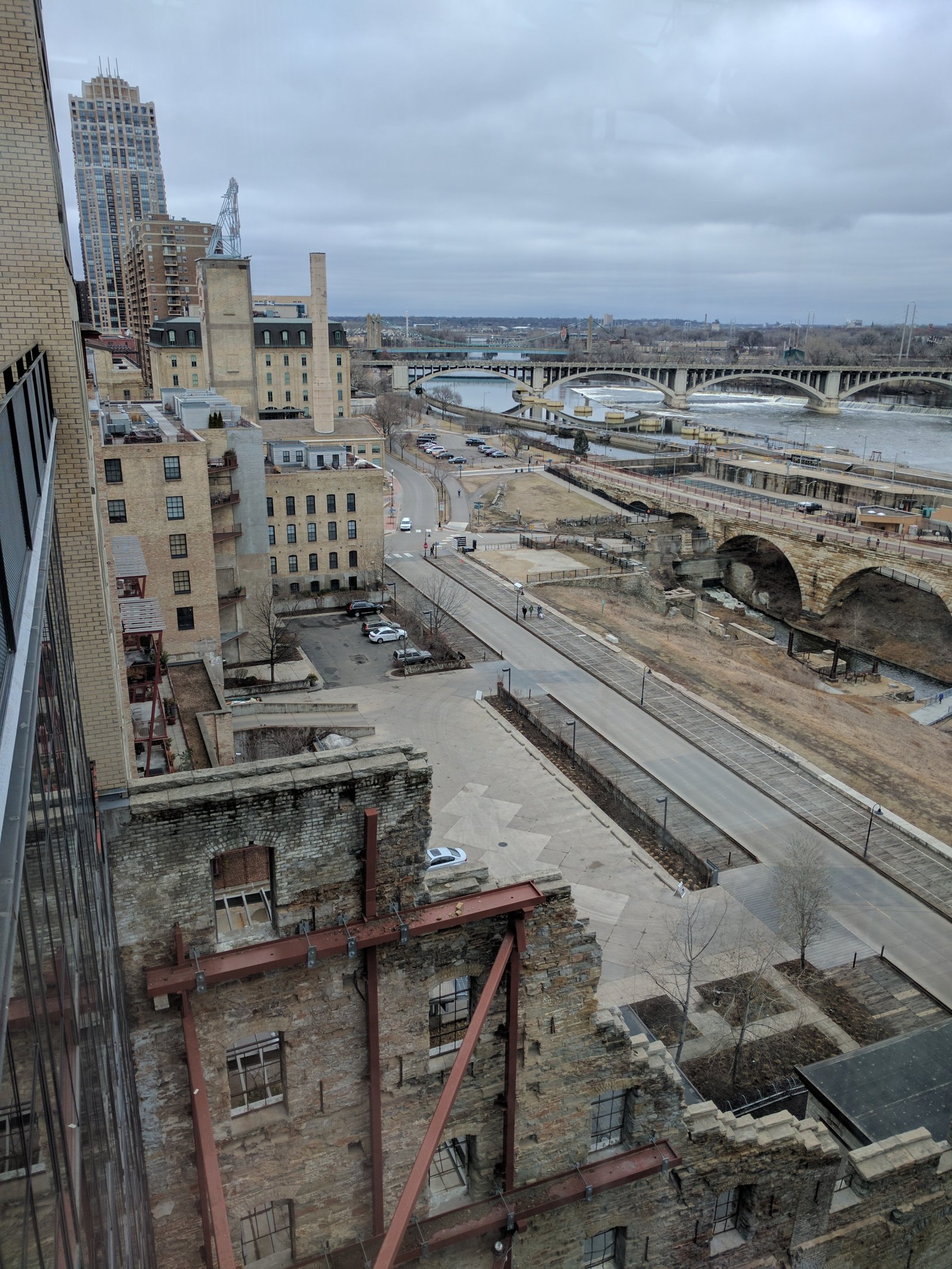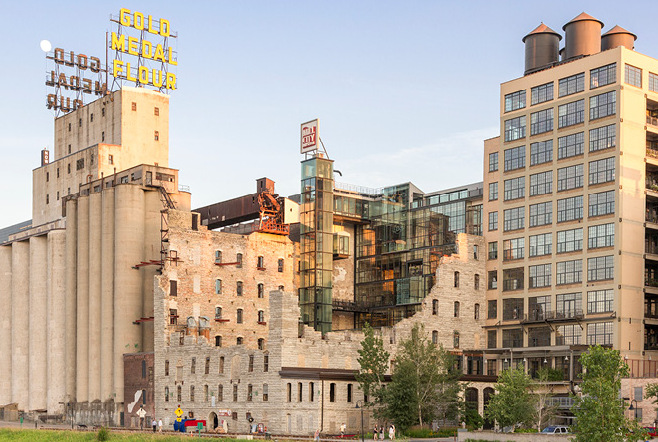

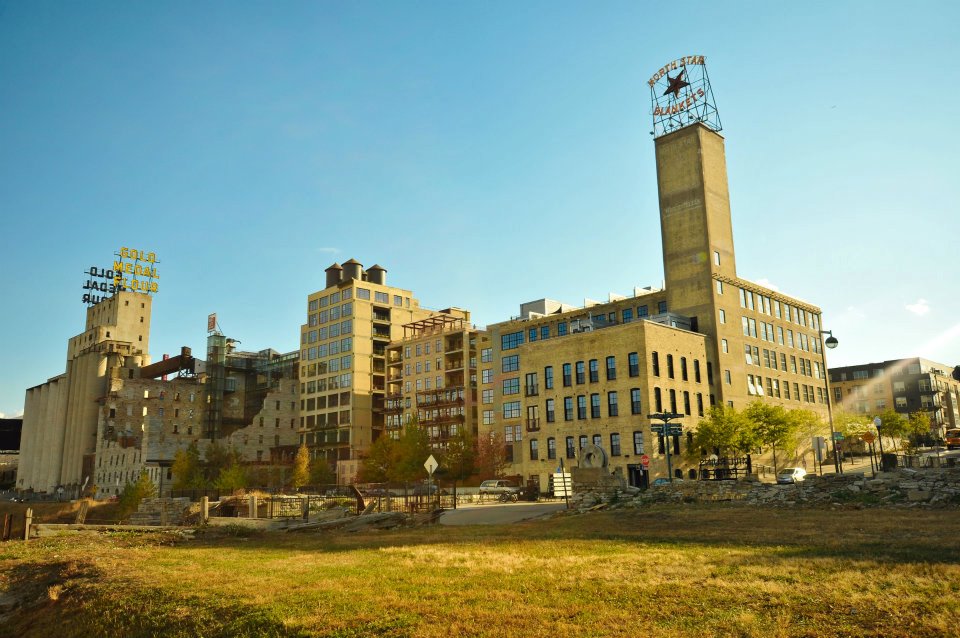
Nestled along the banks of the Mississippi River in Minneapolis, the Mill City Museum stands as a testament to the city's rich industrial heritage. Once the site of the Gold Medal Flour factory, this unique museum captures the essence of what made Minneapolis the flour milling capital of the world in the late 19th and early 20th centuries.
### History and Origins
The story of the Mill City Museum begins long before the factory's doors opened in 1880. The area's milling history can be traced back to the early settlers who recognized the potential of the river's power. By the mid-1800s, mills began sprouting along the banks, transforming Minneapolis into a bustling hub of grain production. The Washburn-Crosby Company, which eventually became General Mills, played a pivotal role in this transformation, introducing innovations that led to the production of their famous Gold Medal Flour.
The factory thrived, becoming the largest flour mill in the world by 1880. However, the story took a dramatic turn on May 2, 1991, when a massive explosion, resulting from the accumulation of grain dust, devastated the site. Miraculously, the ruins were preserved, and in 2003, the Mill City Museum opened, offering a dynamic look into the history of milling, the importance of the river, and the resilience of the city.
### Art and Architecture
The architectural style of the Mill City Museum is an intriguing blend of industrial and modern design. The ruins of the old flour mill are integrated into the museum, allowing visitors to explore the history while surrounded by the original brick and timber structures. The museum's design pays homage to its industrial past, with large windows that flood the space with natural light and offer stunning views of the St. Anthony Falls.
Notably, the museum's centerpiece is the Flour Tower, a renovated freight elevator that serves as both a ride and an immersive experience. Visitors sit in bleacher-like seats as they ascend through eight stories, where lights, sounds, and the voices of former mill workers bring the history of flour milling to life. The eighth floor features an observation deck with breathtaking views of the Mississippi and the vibrant city beyond.
### Local Culture and Traditions
Minneapolis boasts a vibrant cultural landscape, deeply influenced by its milling history. The Mill City Museum plays an essential role in preserving this legacy, showcasing not only the industrial past but also the traditions that have emerged from the city’s diverse immigrant communities.
The museum hosts various events and festivals throughout the year, celebrating local customs and arts. The Mill City Farmers Market, held every Saturday during the warmer months, is a local favorite, featuring fresh produce and artisan goods, and often accompanied by live music and cooking demonstrations. This market embodies the spirit of community and the importance of local agriculture, a nod to the region's agrarian roots.
### Gastronomy
No visit to the Mill City Museum would be complete without indulging in the local gastronomy. Minneapolis is known for its Midwestern cuisine, and the influence of its milling history is evident in many dishes. Visitors can enjoy artisan breads, pastries, and baked goods made from local grains, often found at nearby cafes and eateries.
One must-try dish is the Juicy Lucy, a cheeseburger with melted cheese inside the patty, offering a delightful surprise with each bite. Pair it with a local craft beer for a true taste of Minnesota. Seasonal ingredients are also highlighted, with many restaurants embracing farm-to-table practices that reflect the city’s commitment to sustainability.
### Lesser-Known Curiosities
While the Mill City Museum offers a wealth of information, some hidden gems are often overlooked by visitors. For instance, the museum houses a miniature replica of the Flour Mill, which provides a fascinating glimpse into how the milling process worked. Additionally, the museum's interactive exhibits allow guests to grind their own flour, connecting them physically to the milling process.
Another intriguing fact is the presence of the Mill Ruins Park, which is adjacent to the museum. This park features remnants of the milling industry and offers beautiful pathways along the river, perfect for a leisurely stroll while soaking in the views of the historic structures and the falls.
### Practical Visitor Information
The best time to visit the Mill City Museum is during the spring and summer months when the weather is pleasant, and outdoor events are in full swing. However, autumn also offers a unique charm as the leaves change colors, providing a picturesque backdrop.
Visitors should plan to allocate at least two hours to explore the museum thoroughly. Don’t miss the Flour Tower ride and the observation deck for stunning views. For a more enriching experience, consider joining one of the guided tours that delve deeper into the history and significance of the area.
To make the most of your visit to Minneapolis, consider downloading the Secret World app to create a personalized AI itinerary tailored to your interests.