
Nestled in the heart of Minneapolis, the Minneapolis Institute of Arts (MIA) is a treasure trove of human creativity, a place where history and culture converge in a stunning architectural masterpiece. The museum, with its striking Beaux-Arts design, invites visitors to explore an astonishing collection of over 85,000 artworks spanning more than 5,000 years of history.
### History and Origins
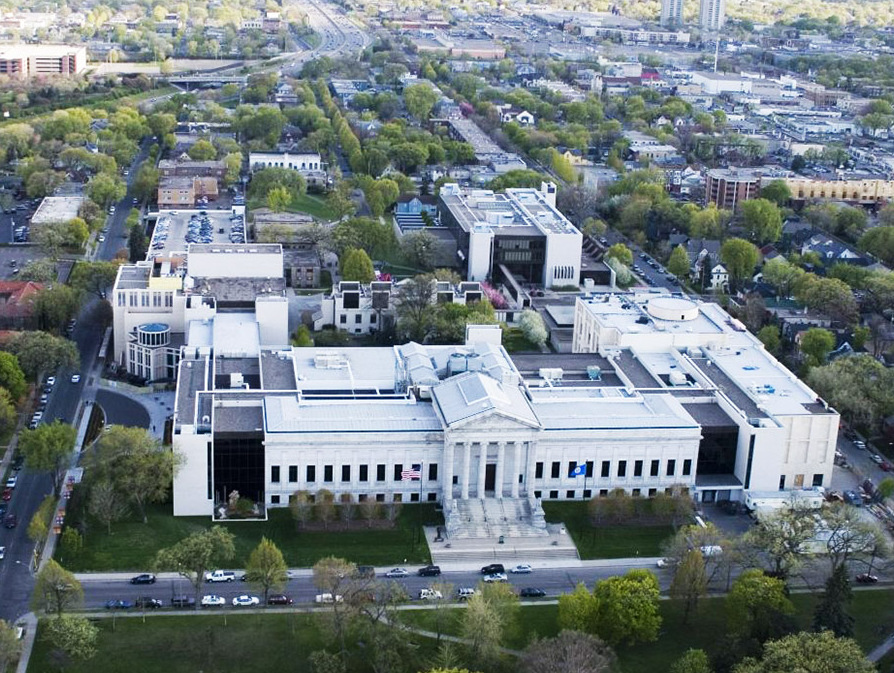
The roots of the MIA can be traced back to the late 19th century. Founded in 1883, this institution emerged from a growing appreciation for the arts in Minnesota. The original collection began with a modest number of paintings and artifacts, but it flourished quickly, bolstered by donations from members of the community and prominent local figures. In 1915, the museum found its permanent home in its current building, designed by architect Herbert A. H. H. P. McGowan, featuring a grand façade of white marble that has become an iconic symbol of the city.
Throughout its history, the MIA has been a pivotal player in the cultural landscape of Minneapolis. It has weathered economic downturns and adapted to the ever-evolving art world, expanding its collection and outreach. Significant milestones include the establishment of the MIA’s Asian Art collection in the 1960s and the renovation and expansion completed in 2011, which added new galleries and improved visitor amenities.
### Art and Architecture
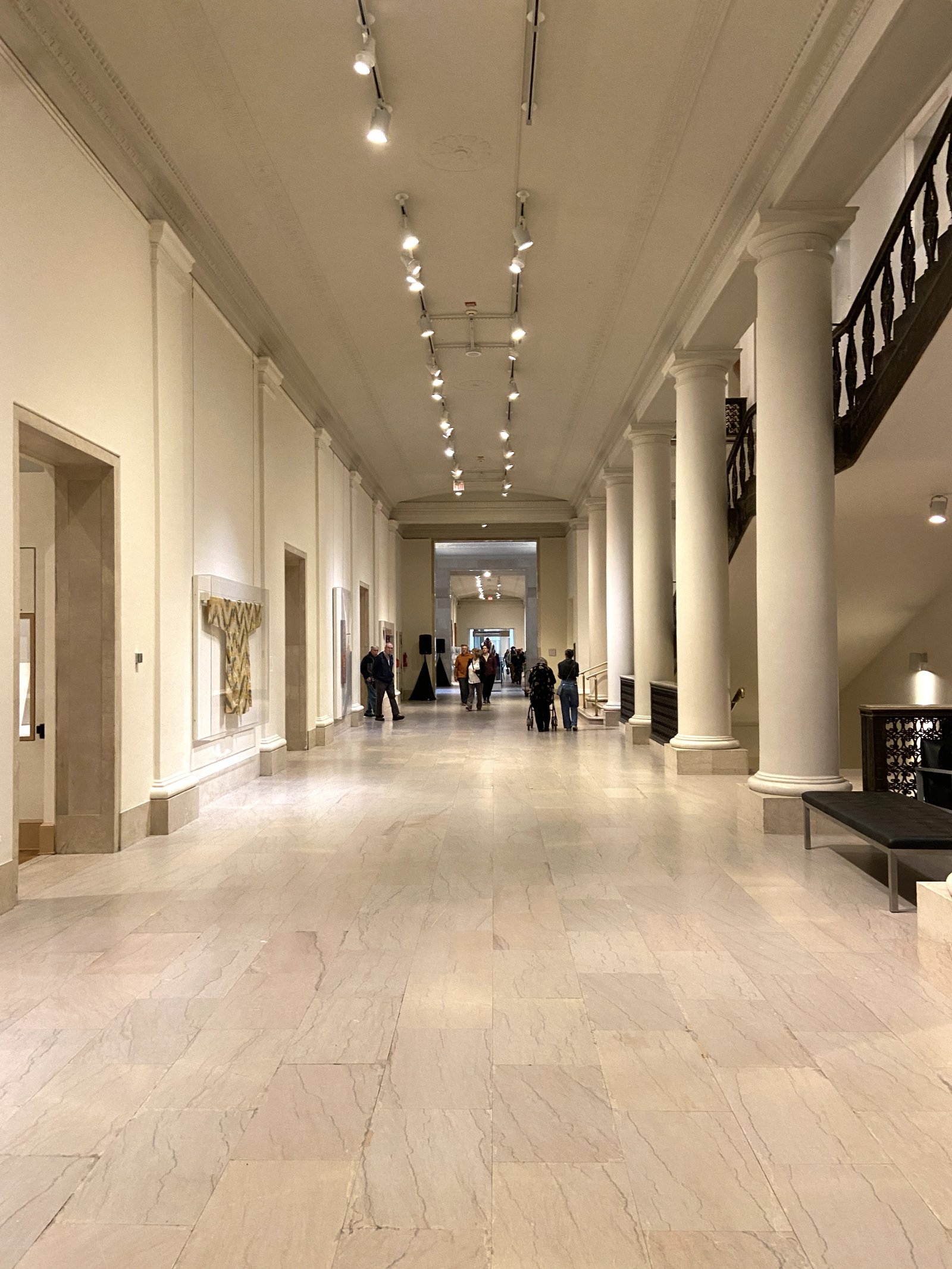
The architectural style of the MIA is a harmonious blend of Beaux-Arts elegance and modern functionality. As visitors approach the entrance, they are greeted by stately columns and intricate carvings that hint at the artistic treasures within. The museum's layout is thoughtfully designed, encouraging exploration through its diverse galleries.
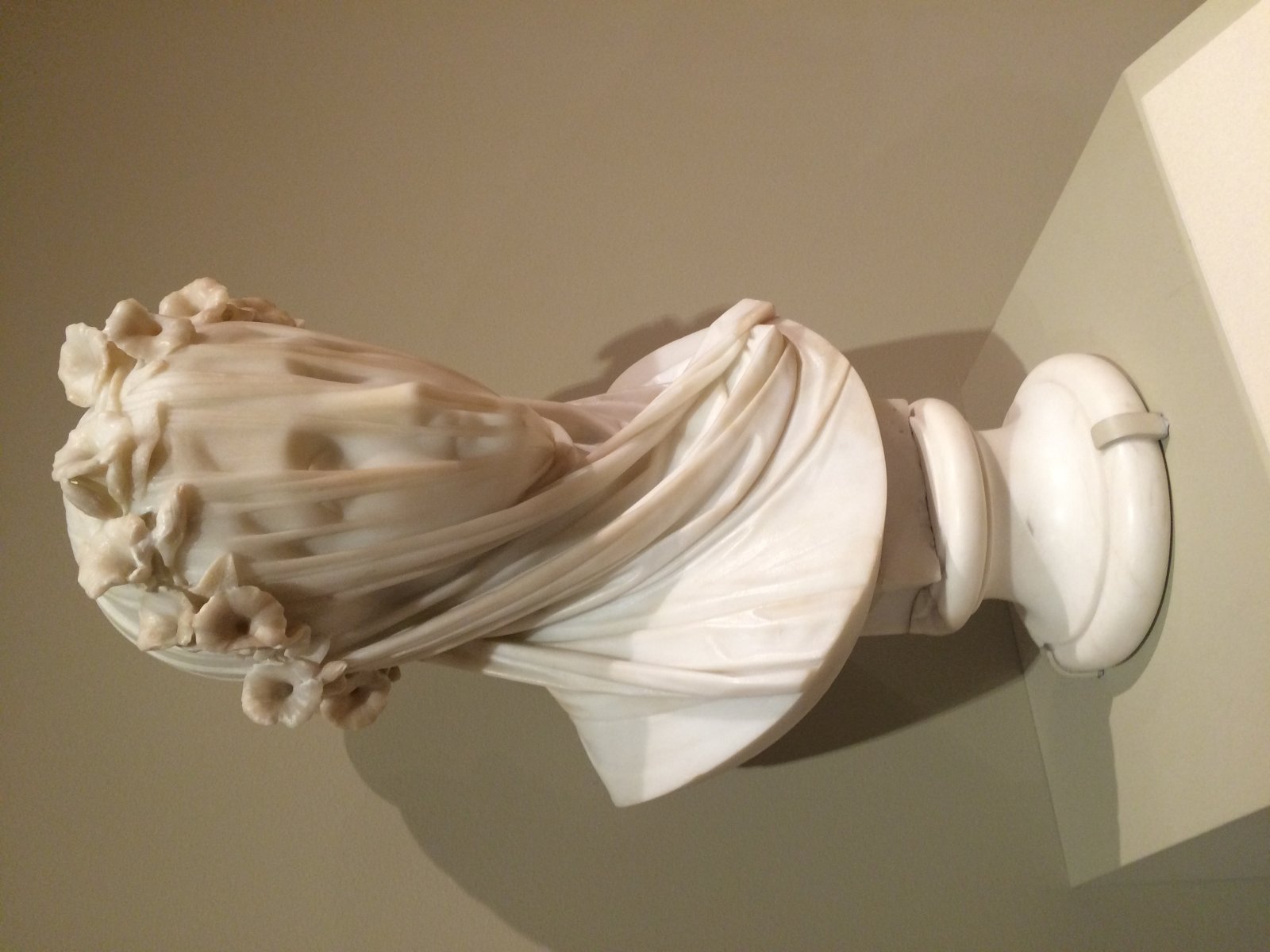
Among the many highlights, the collection of French Impressionists stands out, featuring works by masters such as Claude Monet and Pierre-Auguste Renoir. The museum also boasts impressive European paintings, including pieces by Rembrandt and Titian. Meanwhile, the African and Asian galleries offer a glimpse into the rich tapestry of global art, showcasing everything from Japanese woodblock prints to West African textiles.
Another unique aspect of the MIA is its collection of period rooms, which transport visitors to different historical contexts, allowing them to experience art in a setting that reflects its original environment. This immersive experience underscores the museum's commitment to not just displaying art, but also telling the stories behind it.
### Local Culture and Traditions
The MIA is not just a museum; it is a vibrant part of the local culture. Minneapolis hosts a variety of festivals and events that celebrate the arts, such as the Northeast Minneapolis Arts District's Art-A-Whirl and the Twin Cities Film Festival, both of which emphasize the city's artistic legacy. The museum often collaborates with local artists and cultural organizations, fostering a sense of community and encouraging dialogue around art and its impact on society.
Moreover, the MIA frequently hosts events that highlight local traditions, including First Friday gatherings, where visitors can enjoy live music, workshops, and food from local vendors, transforming the museum into a lively hub of creativity.
### Gastronomy
No visit to the MIA is complete without indulging in the local culinary scene. Minneapolis is known for its Juicy Lucy, a delectable burger with cheese stuffed inside the patty, and the nearby Midtown Global Market offers a diverse array of flavors, from Mexican tamales to Somali sambusas. The museum's own café features a menu that celebrates local ingredients, providing a perfect spot to relax after a day of exploration. Don’t miss trying a slice of Minnesota wild rice soup or a pastry from a local bakery.
### Lesser-Known Curiosities
While the MIA is well-known for its impressive collections, there are fascinating details that often go unnoticed. For instance, the museum houses a unique tapestry collection, which includes a stunning piece that was once part of the royal collection of Louis XIV. Additionally, the museum's American Art section features works by Georgia O’Keeffe and Edward Hopper, but it also contains lesser-known artists whose contributions are equally significant, allowing visitors to discover new favorites.
Another intriguing fact is that the MIA is home to the Mia's Art in Bloom exhibition, an annual event where floral designers create stunning arrangements inspired by the museum's artworks. This celebration of nature and art draws crowds and highlights the intersection of visual art and floral design.
### Practical Visitor Information
To get the most out of your visit, consider going during the weekdays when crowds are thinner, allowing for a more personal experience with the art. The museum is open to visitors Tuesday through Sunday, and admission is free, though special exhibitions may require a ticket. Be sure to check the MIA's website for information on guided tours, educational programs, and current exhibitions.
When exploring the galleries, take your time to appreciate the interactive displays and audioguides that provide deeper insights into the artworks on display. Don't forget to visit the gift shop, where you can find unique art-inspired souvenirs.
The Minneapolis Institute of Arts offers an unforgettable experience that combines history, culture, and creativity in one stunning location. As you plan your visit, consider using the Secret World app to create a personalized itinerary that perfectly suits your interests.