
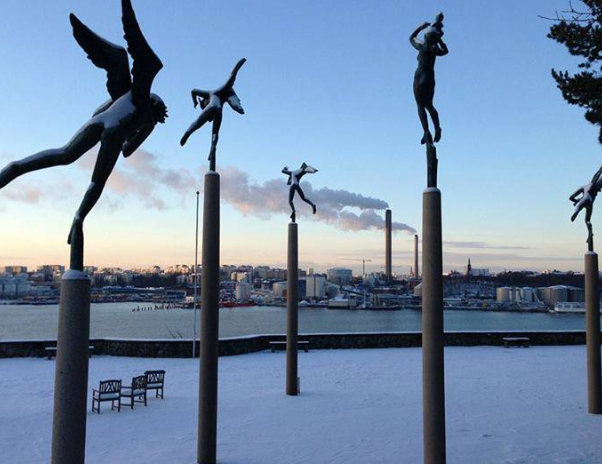

Perched graciously on the serene island of Lidingö, just a short journey from the bustling heart of Stockholm, lies Millesgården, a mesmerizing blend of art, history, and nature. This captivating site was once the home and studio of the renowned Swedish sculptor Carl Milles. His legacy continues to whisper through the open terraces, each meticulously adorned with his powerful sculptures set against the backdrop of lush greenery and sweeping views of the Stockholm archipelago.
The origins of Millesgården date back to 1906 when Carl Milles and his wife, the artist Olga Milles, purchased the land. Here, they envisioned a sanctuary where art and nature would harmonize. Over the years, the estate blossomed into a sprawling sculpture park, art gallery, and museum. The site has evolved significantly since Carl Milles's time, with expansions in the 1930s by architect Evert Milles, Carl's half-brother, enhancing its grandeur. Today, Millesgården stands as a testament to Milles’s artistic genius, offering visitors a unique glimpse into the soul of Swedish art history.
Architecturally, Millesgården is a masterstroke of design, reflecting a harmonious blend of classical European styles and modernism. The terraces are a marvel, structured to create a seamless flow between indoor and outdoor spaces. Visitors can stroll through the Antique Collection featuring a stunning array of ancient artifacts, or marvel at the Studio, where Milles's creative process comes to life. Notable artworks such as "The Hand of God" and "The Spirit of Transportation" capture Milles's fascination with movement and spirituality, their dynamic forms reaching skyward, challenging the very limits of balance and grace.
In the realm of local culture, Millesgården plays a vital role as a cultural hub. It hosts various exhibitions and events throughout the year, celebrating both historical and contemporary art. The island of Lidingö itself is steeped in tradition, with seasonal festivals like Midsommar and Valborg that invite both locals and visitors to partake in age-old Swedish customs. These celebrations often include community gatherings, music, and traditional dance, reflecting the island's vibrant cultural tapestry.
While Millesgården does not boast a distinct culinary tradition of its own, the island of Lidingö and the surrounding Stockholm area offer a rich gastronomic experience. Visitors can indulge in classic Swedish dishes such as gravad lax (cured salmon) and köttbullar (meatballs), often accompanied by lingonberry sauce and creamy mashed potatoes. For a sweet treat, try kanelbullar, the beloved Swedish cinnamon buns, best enjoyed with a cup of robust Swedish coffee.
For those willing to delve deeper, Millesgården holds some lesser-known curiosities. Did you know that Carl Milles was an avid collector of classical antiquities? This passion is reflected in the collection of ancient sculptures and artifacts scattered throughout the estate. Also intriguing is the Fountain of Faith, a lesser-publicized but deeply spiritual work that captures Milles’s exploration of existential themes.
When planning a visit, the best time to experience Millesgården is between May and September, when the gardens are in full bloom, and the weather is most accommodating for leisurely strolls. Arrive early to avoid the crowds and take full advantage of the tranquil morning light illuminating the sculptures. Be sure to explore the Annes Hus, the quaint house once home to Milles’s sister, which now offers a cozy café with panoramic views.
In conclusion, Millesgården is not merely a museum or a park; it is a living, breathing testament to the enduring power of art and nature. As you wander through its terraces, surrounded by the echoes of history and the whispers of the sea, you’ll find yourself inspired by the same dreams that once fueled Carl Milles himself. This is a place where creativity takes root, grows, and blossoms — a true jewel of Swedish cultural heritage waiting to be discovered.


