
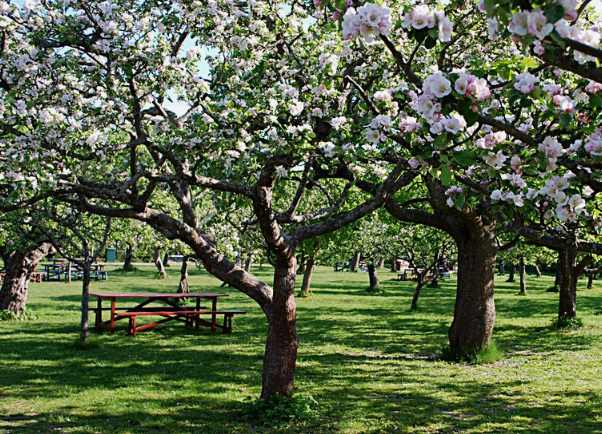

Nestled on the picturesque island of Djurgården in Stockholm, Sweden, Rosendals Trädgård—meaning 'Valley of the Roses'—is a verdant oasis where horticulture, history, and Swedish culture elegantly intertwine. With its enchanting apple groves and vibrant floral displays, this garden is not just a feast for the eyes but a living testament to Sweden's rich botanical and cultural heritage.
The origins of Rosendals Trädgård have roots that stretch back to the early 19th century. The garden was initially part of a royal initiative by King Karl XIV Johan, who envisioned transforming parts of Djurgården into a splendid park accessible to the public. Completed in 1817, the Rosendal Palace, which neighbors the garden, served as a summer retreat for the royal family. Over time, the gardens evolved from royal grounds into a beloved public space, fostering a deep connection with nature for the people of Stockholm.
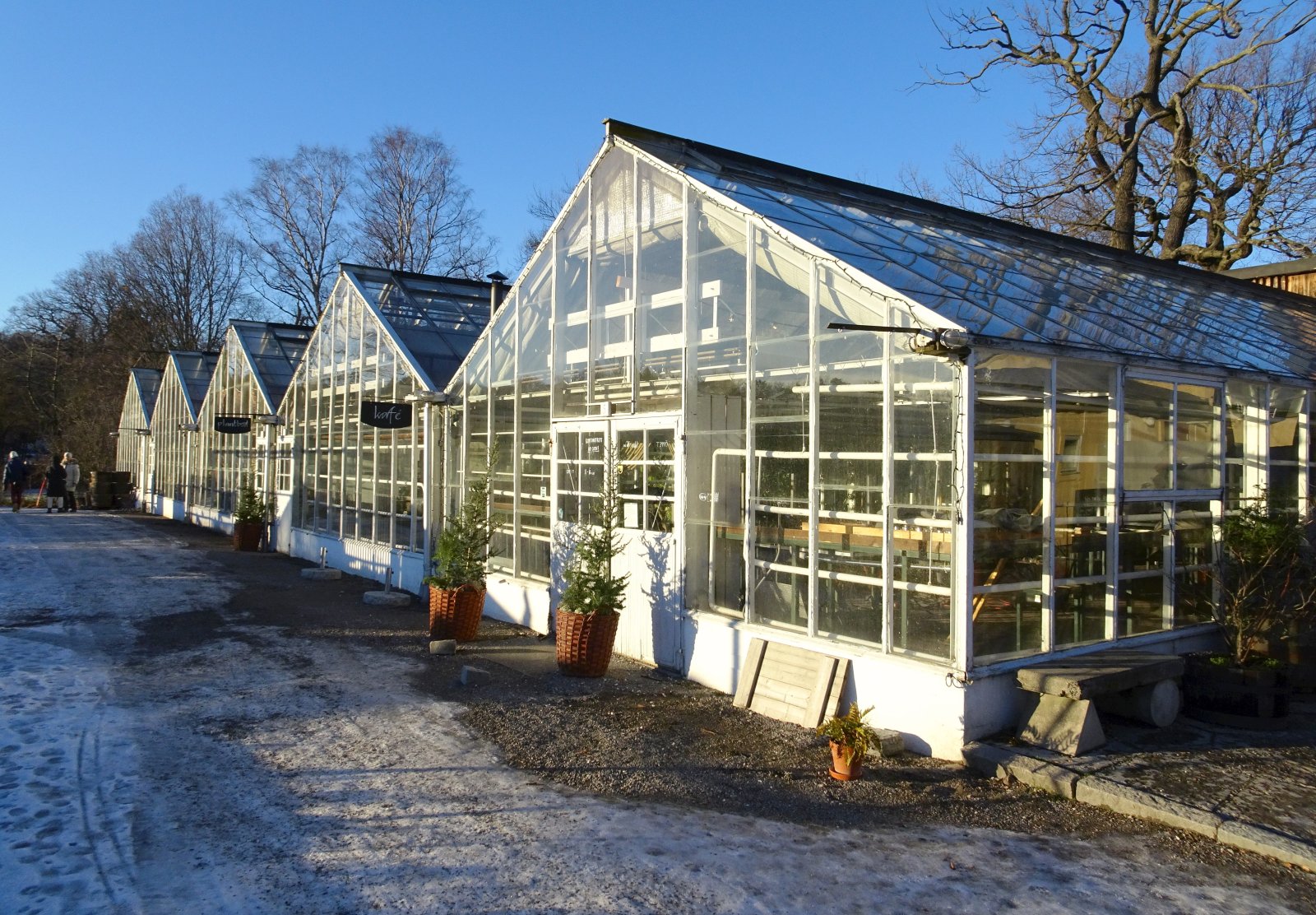
Architecturally, Rosendals Trädgård reflects a harmonious blend of utility and beauty. The garden’s greenhouses, constructed in the 1920s, are prime examples of early 20th-century Swedish glasshouse design. These structures not only house a variety of plants but also serve as venues for events and exhibitions, highlighting the artistic and agricultural synergy that defines the garden. The landscape architecture, characterized by orderly rows of flowers and carefully pruned fruit trees, mirrors the Swedish appreciation for balance and simplicity.
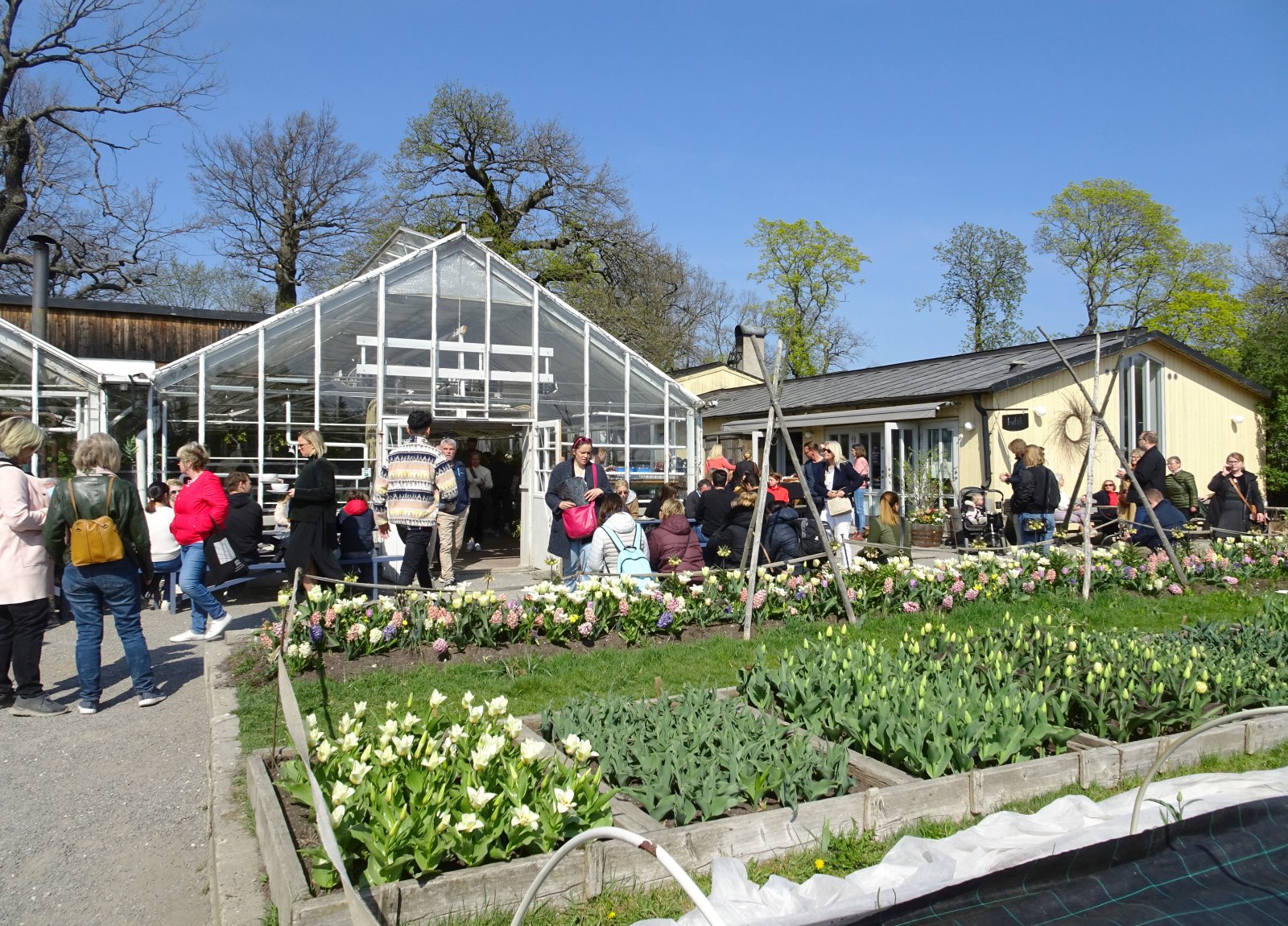
The garden is a cultural hub, reflecting Sweden’s profound relationship with nature. Seasonal festivals and traditional events are a staple at Rosendals. One of the most anticipated is Midsummer, a celebration marked by the raising of the maypole and dancing, deeply rooted in Swedish folklore. During these events, the garden transforms into a lively tapestry of music, laughter, and the scent of freshly picked flowers, offering visitors a genuine taste of Swedish hospitality and tradition.
Gastronomy at Rosendals Trädgård is an experience in itself. The on-site café and bakery are renowned for their commitment to organic and locally-sourced produce, much of which is grown within the garden itself. Visitors can savor traditional Swedish fare such as smörgåsar (open-faced sandwiches) topped with seasonal vegetables, along with freshly baked kanelbullar (cinnamon buns), best enjoyed with a cup of Swedish coffee. The farm-to-table philosophy here not only promotes sustainability but also allows guests to taste the freshness of the garden’s bounty.
Beyond the well-trodden paths and popular attractions, Rosendals Trädgård holds several lesser-known curiosities. A peculiar highlight is the Biodynamic Garden, where ancient farming techniques are employed to cultivate plants in harmony with lunar cycles. This area offers insight into sustainable farming practices that have gained attention in recent years. Another hidden gem is the Scented Garden, a sensory delight where visitors are encouraged to touch and smell a diverse array of aromatic plants, fostering a deeper connection with nature.
For those planning a visit, the best time to explore Rosendals Trädgård is during the late spring and summer months, when the garden is in full bloom. Early mornings or late afternoons are ideal for avoiding crowds and enjoying the serene beauty of the landscape. It's advisable to wear comfortable walking shoes and bring a picnic blanket to fully appreciate the tranquil surroundings. While wandering through the garden, keep an eye out for the small, wooden stalls selling organic produce and artisanal goods—perfect for a unique souvenir.
In the heart of Stockholm, Rosendals Trädgård offers a unique retreat where history, culture, and nature converge. It stands as a testament to the Swedish ethos of living in harmony with the natural world, inviting visitors to slow down and savor the simple joys of life. Whether you're a horticulture enthusiast, a history buff, or simply in search of a peaceful escape, this garden promises an experience that is as enriching as it is beautiful.


