
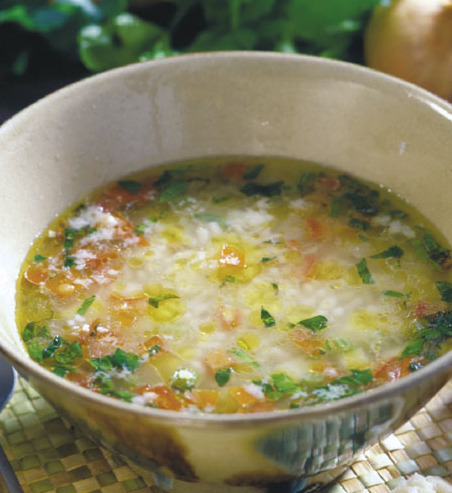

Nestled in the heart of the Apennine Mountains, the city of L'Aquila in the Abruzzo region of Italy is a treasure trove of history, culture, and culinary delights. Among its many offerings, the minestra aquilana, a traditional celery soup, stands out as a comforting embrace of local flavors that tells the story of this resilient city.
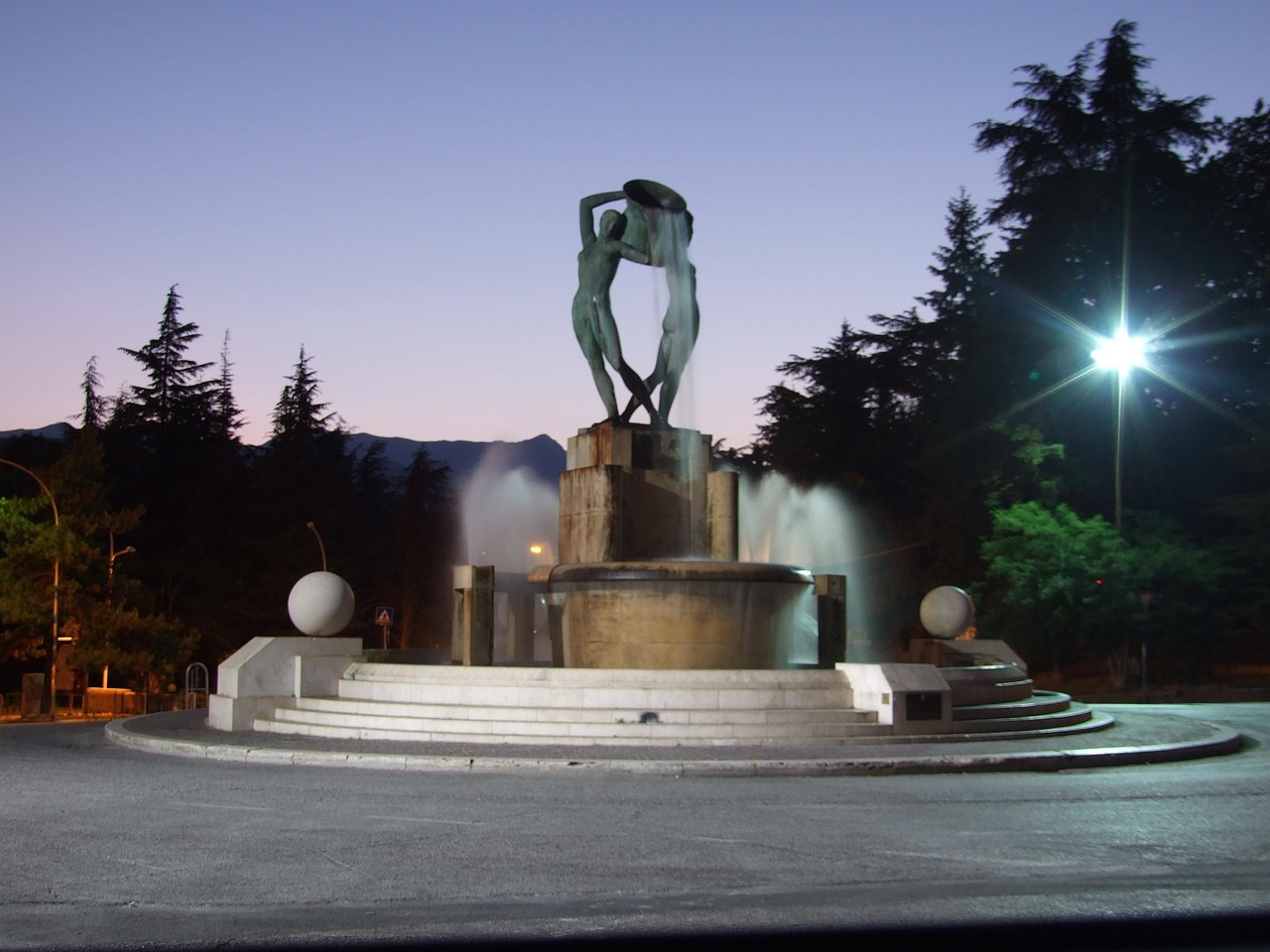
The origins of L'Aquila date back to the 13th century when it was founded by Holy Roman Emperor Frederick II in 1254. This strategic location allowed it to flourish as a center of trade and culture. The city's history has been marked by resilience, particularly after the devastating earthquake in 2009, which tested the community's spirit and determination. Despite such challenges, L'Aquila has always managed to rise from the rubble, much like its namesake, the eagle, soaring to new heights.
Art and architecture are woven into the very fabric of L'Aquila. The city boasts a rich tapestry of Renaissance and Baroque architecture, with the Basilica di Santa Maria di Collemaggio serving as a prime example. This revered structure, founded by Pietro del Morrone who later became Pope Celestine V, is known for its stunning red and white façade and intricate rose window. Another architectural gem is the Forte Spagnolo, a 16th-century fortress that stands as a testament to L'Aquila's strategic importance. Within these historic walls, art and history converge, offering visitors a glimpse into a bygone era.

L'Aquila's cultural landscape extends beyond its physical structures. The city is a hub of traditions and festivals that bring its vibrant community to life. One of the most significant events is the Perdonanza Celestiniana, a religious and cultural festival dating back to the 13th century. Celebrated every August, it commemorates the Papal Bull issued by Pope Celestine V, granting a plenary indulgence. This event, now recognized by UNESCO as part of the Intangible Cultural Heritage of Humanity, is a profound expression of faith and unity.
Gastronomy in L'Aquila is a celebration of local produce and age-old recipes. The minestra aquilana, a hearty celery soup, embodies the simplicity and depth of Abruzzese cuisine. Prepared by chopping onions and browning them with lard, the dish is enriched with the addition of celery and tomatoes. Medium cooking softens the ingredients before rice is added, transforming it into a nourishing meal. Finished with a generous sprinkling of pecorino cheese, each spoonful captures the essence of L'Aquila's culinary traditions.
Beyond the familiar, L'Aquila holds secrets known only to those who venture off the beaten path. The city's underground aqueducts, built in the Roman era, are a marvel of ancient engineering. These subterranean passages, some still in use, have silently supported the city for centuries. Another hidden gem is the Museo Nazionale d'Abruzzo, which houses a remarkable collection of artifacts, including the famed "L'Aquila of Amiternum," a bronze sculpture that symbolizes the region's enduring strength.
Visitors to L'Aquila will find that the best time to explore this enchanting city is during the spring and autumn months. The mild weather and fewer crowds make it ideal for leisurely strolls through its historic streets. To fully appreciate L'Aquila's unique charm, take the time to engage with the locals. Their stories, like the city's architecture, are layered with history and resilience.
For those planning a visit, remember to savor not just the sights but also the flavors. Seek out traditional eateries where the minestra aquilana is served, and pair it with a glass of Montepulciano d'Abruzzo, a robust local red wine. L'Aquila is a city that invites exploration and rewards the curious traveler with a deeper understanding of Italy's rich tapestry.
In the end, L'Aquila is more than just a destination; it is an experience of history, culture, and resilience. The minestra aquilana is not merely a dish but a culinary emblem of the city's enduring spirit, offering a taste of home to all who wander through its storied streets.


