
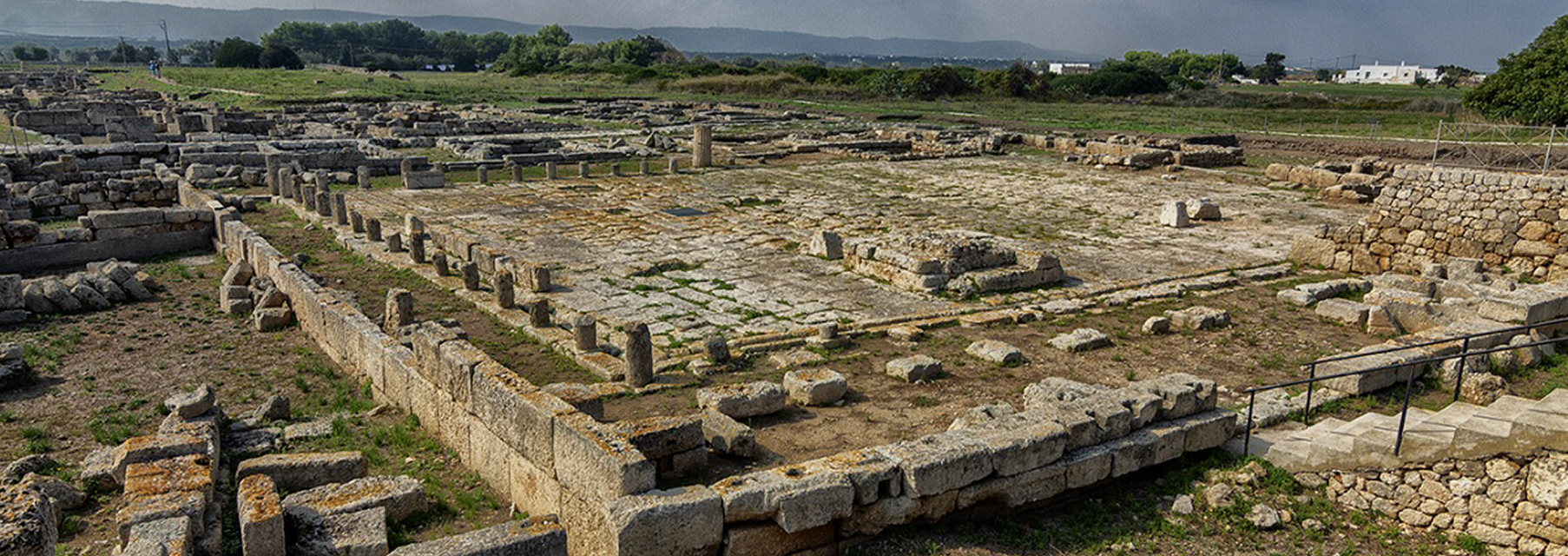

Nestled in the heart of Abruzzo, the Fossa Necropolis offers a captivating glimpse into ancient civilizations that once thrived in this enchanting region of Italy. Discovered unexpectedly in the summer of 1992, this burial site has since emerged as one of the most significant archaeological finds in the territory of L'Aquila.
The origins of the Fossa Necropolis date back to the Iron Age, with the site believed to have served as a burial ground for the Piceni, an ancient Italic people. The discovery occurred while land was being cleared for industrial development, prompting immediate archaeological intervention. Over the subsequent years, from 1995 to 1999, extensive excavations were led by Dr. Vincenzo D'Ercole of the local Superintendence, revealing over 1,000 burial sites that provide invaluable insights into the funerary practices and material culture of the time.
The necropolis features a rich tapestry of art and architecture, showcasing burial chambers adorned with intricate artifacts. Among the notable finds are ceramic vases, metalwork, and personal belongings that reflect the craftsmanship and daily life of the era. The graves themselves vary in complexity, with some showcasing elaborate structures that hint at the social status of the individuals interred. Notably, the presence of rich grave goods suggests a society that valued both artistry and the afterlife, revealing a cultural sophistication that resonates through the ages.

Local customs and traditions surrounding the necropolis are steeped in reverence for the past. The people of Fossa and its surroundings celebrate their history through various festivals that highlight local folklore and traditions. Events like the Sagra della Polenta, held annually in the autumn, not only showcase traditional culinary delights but also foster a sense of community connected to their ancestral roots. Participants often adorn themselves in period costumes, bringing the history of the Piceni to life, and fostering a connection between the past and present.
Speaking of culinary delights, Abruzzo is renowned for its distinct gastronomy. The region’s cuisine is characterized by hearty dishes and robust flavors, heavily influenced by its mountainous terrain and agricultural heritage. Staples include arrosticini (grilled lamb skewers), pasta alla chitarra (a type of pasta made using a guitar-like tool), and the rich pecorino cheese that pairs perfectly with local wines. Visitors to the necropolis can indulge in these traditional offerings, experiencing the flavors that have persisted through generations.
Among the lesser-known curiosities of the Fossa Necropolis is the unique construction of some tombs, which incorporated local stones and materials that reflect the region’s geology. Interestingly, the orientation of the graves often aligns with celestial bodies, hinting at the astronomical significance the ancients may have placed on their burial practices. These details, subtle yet profound, may elude the casual observer but are treasures for those who dive deeper into the history of the site.
For those planning a visit, the best time to explore the Fossa Necropolis is during the spring and early autumn months, when the climate is mild and conducive to outdoor exploration. It’s advisable to wear comfortable walking shoes as the archaeological site covers a considerable area, and some pathways may be uneven. Look for guided tours that can provide detailed insights into the excavations and the artifacts on display, enhancing the experience with expert knowledge.
As you wander through this ancient necropolis, be sure to take your time to absorb the atmosphere and reflect on the lives of those who came before. Each artifact tells a story, each tomb a testament to a bygone era, making the Fossa Necropolis a profound journey into the depth of human history.
To enhance your visit, consider using the Secret World app to curate a personalized itinerary that showcases all the hidden gems of this extraordinary region.


