



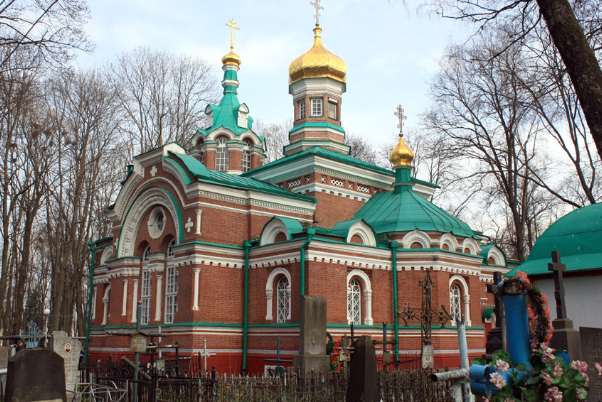
Nestled within the tranquil confines of Minsk's Military Cemetery, the Aleksander Nevsky Church stands as a testament to history, artistry, and spiritual endurance. Its golden domes gleam under the Belarusian sky, a beacon of the past amidst the bustling capital. This church, dedicated in 1898, commemorates the Russian victory in the Russo-Turkish War of 1877-1878, and is revered not only for its historical significance but also for its unique architectural charm.
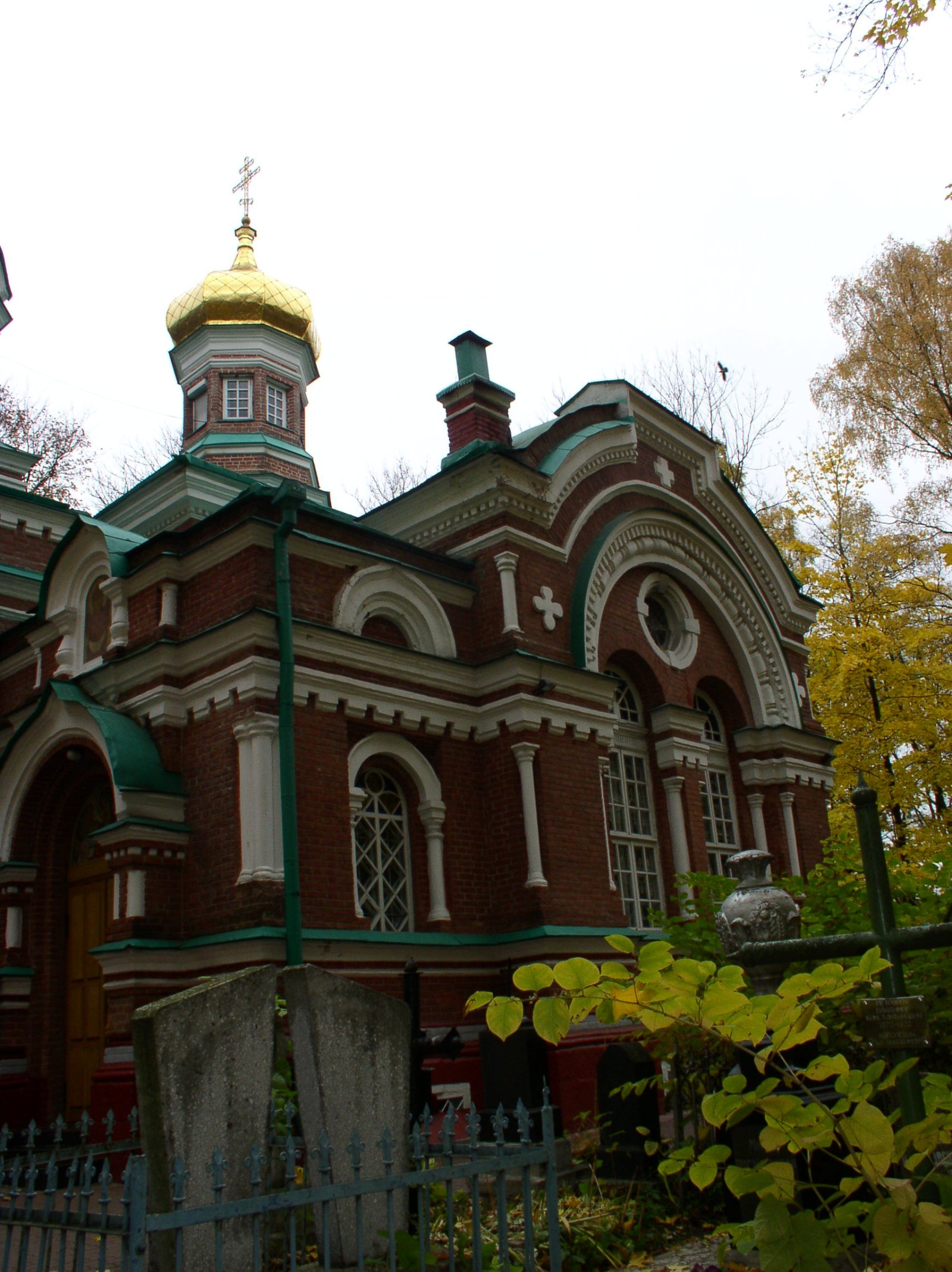
The church's origins are steeped in the echoes of victory. After the Russo-Turkish War, which redefined the balance of power in Eastern Europe, the need for a commemorative structure was envisioned by the Russian Empire. The Aleksander Nevsky Church, named after the venerated Russian prince and saint, was established to honor those who served and sacrificed in the conflict. Remarkably, it is the only religious structure in Minsk that has retained its original appearance despite the tumultuous events of the 20th century, including the devastating impacts of World War II.
Architecturally, the church is a fine example of Russian Baroque, a style characterized by its elaborate ornamentation and grandeur. The exterior is adorned with intricate icons and frescoes, each telling a silent story of faith and resilience. Inside, the church's interior is equally captivating, with stunning iconostasis and gilded artwork that reflect the mastery of the artisans of the time. The vibrant colors and detailed craftsmanship invite visitors to pause and admire the intersection of art and spirituality.
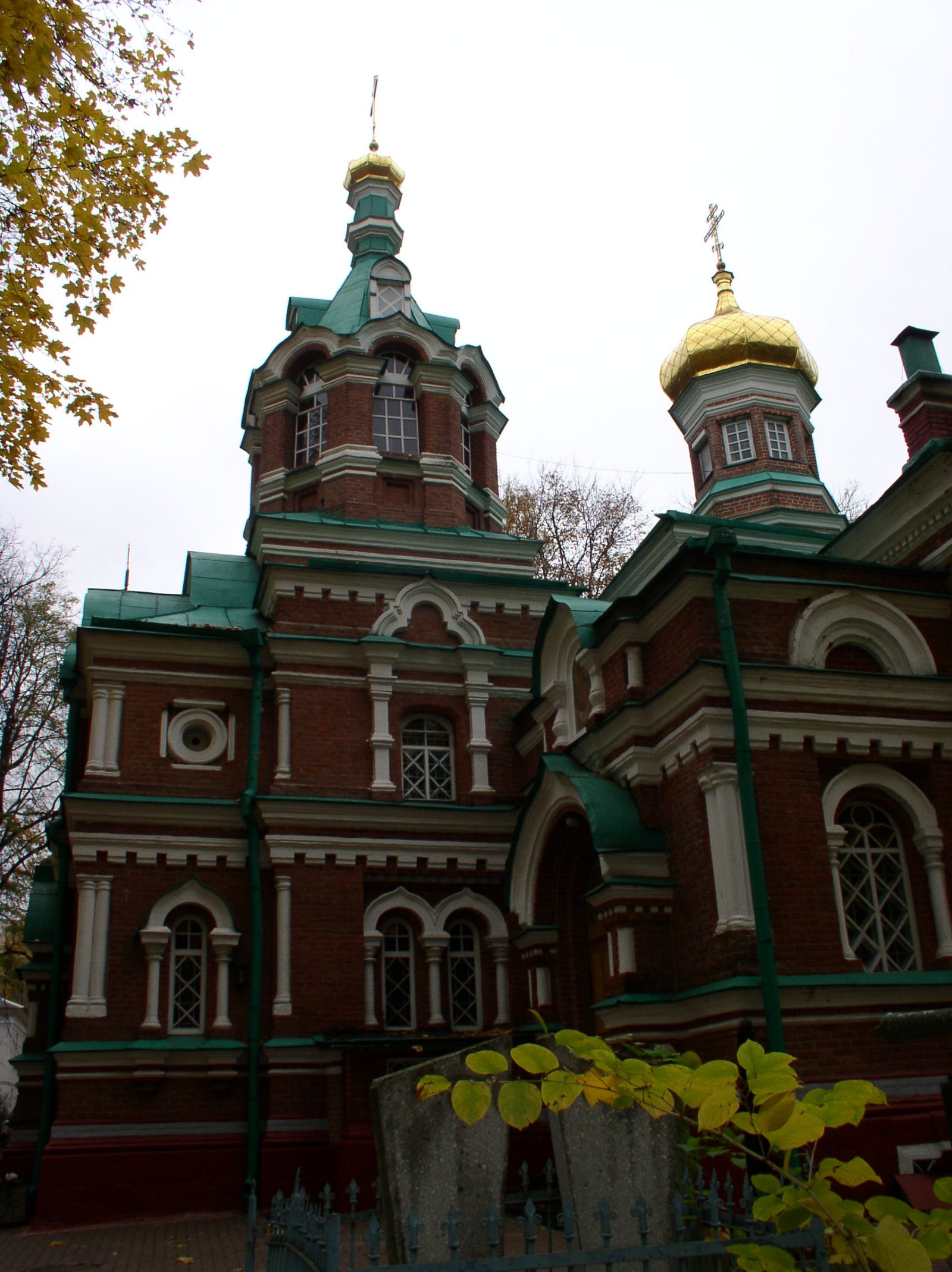
Culturally, the Aleksander Nevsky Church is a vital thread in the fabric of Minsk's religious community. It serves as more than a historical monument; it is a living place of worship and a focal point for several local traditions. The church plays an integral role in religious celebrations, particularly during Orthodox Easter and the feast of Aleksander Nevsky on September 12th. These occasions are marked by vibrant services, attended by locals who come to celebrate and uphold their spiritual heritage.
While Minsk is not traditionally known for its gastronomy as compared to other European cities, it does offer some unique culinary experiences. Near the church, visitors can indulge in traditional Belarusian dishes such as draniki (potato pancakes) and borscht, a beet soup that is a staple across Eastern Europe. For those looking to savor a bit of local flavor, trying kvas, a fermented beverage made from rye bread, is a must. These dishes not only satiate the palate but also provide a taste of Belarusian culture.
Hidden beneath the church's prominent features are lesser-known curiosities waiting to be discovered. One such detail is the small collection of war memorabilia and personal artifacts from the Russo-Turkish War, tucked away in a modest room within the church grounds. Additionally, the cemetery itself provides a poignant backdrop with gravestones that tell countless stories of soldiers and citizens from different eras, each adding a layer to the rich tapestry of history surrounding the church.
For visitors planning a trip to Minsk, the Aleksander Nevsky Church is best experienced during the warmer months from May to September, when the weather is pleasant, making it ideal for exploring both the church and the surrounding cemetery. Early mornings or late afternoons are perfect for a visit, offering a peaceful ambiance away from the city's hustle and bustle. Be sure to dress modestly, as it is an active place of worship, and take time to engage with the local caretakers and parishioners, who often share stories and insights about the church's storied past.
In essence, the Aleksander Nevsky Church is more than just a building; it is a symbol of endurance and faith, encapsulating the spirit of Minsk. From its historical significance to its artistic beauty and cultural relevance, it offers an enriching experience for those who venture to its doors, promising a glimpse into the heart of Belarusian history and tradition.
