



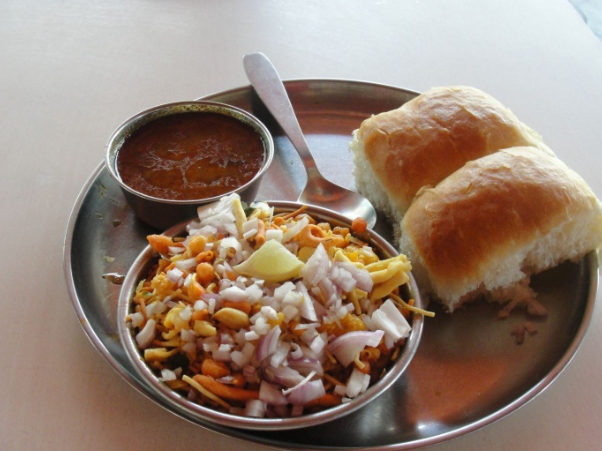
As the monsoon clouds gather over Mumbai, the city transforms into a vibrant tapestry of sights, sounds, and smells, one of which is undeniably the tantalizing aroma of Misal Pav. This beloved dish, a spicy mélange of sprouts and spices, is more than just a meal; it’s a cultural emblem deeply woven into the fabric of Mumbai's culinary landscape.
The origins of Misal Pav trace back to the state of Maharashtra, where it was traditionally prepared as a hearty breakfast option. Over the years, it has evolved into a versatile dish enjoyed at any time of the day. The word "Misal" refers to the spicy curry made from moth beans or sprouted lentils, while "Pav" denotes the soft bread rolls it is served with. The dish is believed to have originated in the Kolhapur region, known for its fiery cuisine, and has since spread across Maharashtra, each locality adding its unique twist.
Despite its simplicity, Misal Pav is an artful concoction of textures and flavors. The dish typically includes a spicy curry topped with a mix of crunchy sev (fried noodles), chopped onions, fresh coriander, and a squeeze of lime, offering a burst of flavors with every bite. In Mumbai, it's often accompanied by a glass of cold chaas (buttermilk) to mellow the heat, making it an ideal companion for the city's rainy days.

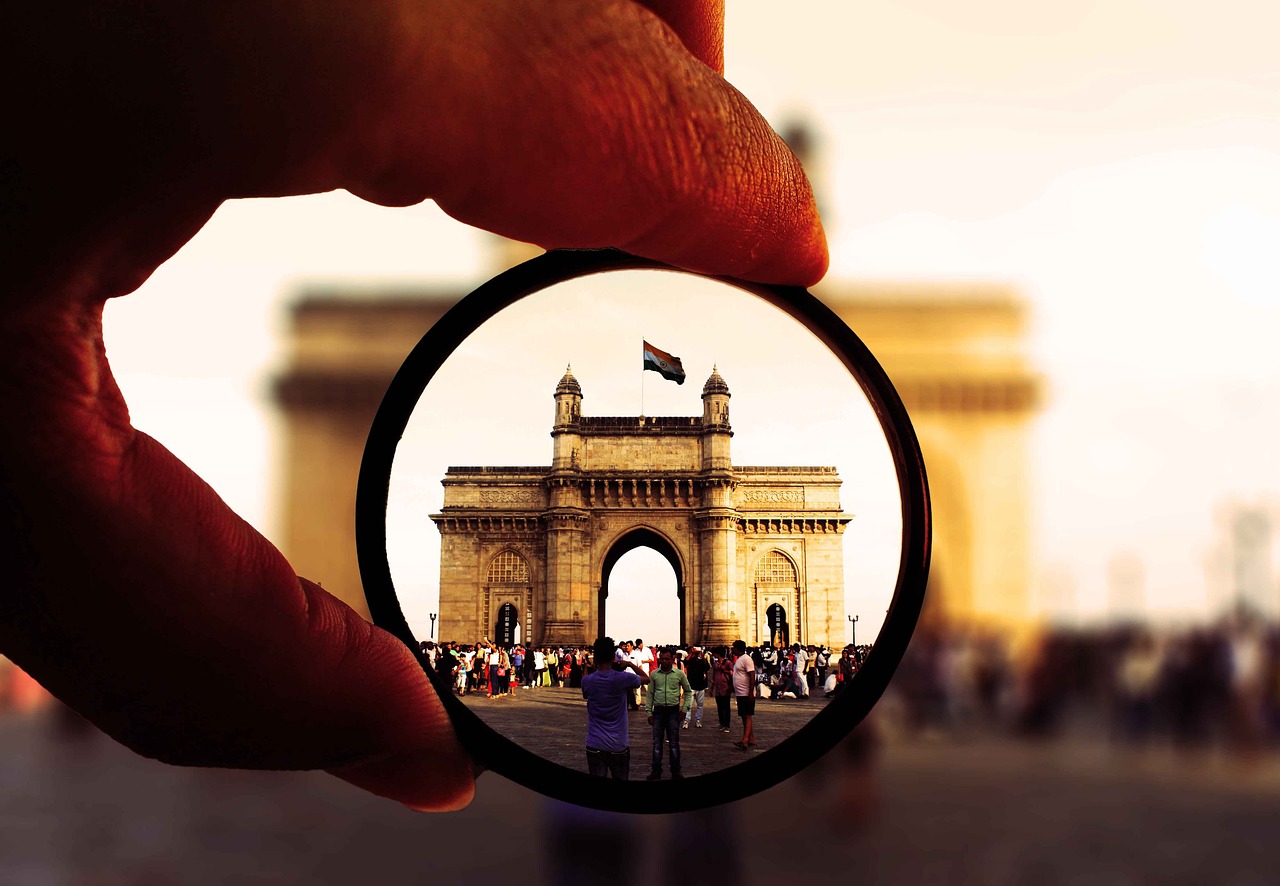
The architecture of Mumbai, much like its cuisine, is a rich blend of styles. While Misal Pav might not have a direct link to the city's architectural landmarks, its humble origins resonate with the spirit of Mumbai—diverse, robust, and ever-evolving. The Victorian Gothic and Art Deco buildings lining the streets of South Mumbai offer a historical backdrop to the modern-day food stalls serving piping hot Misal Pav. These structures, recognized as a UNESCO World Heritage site, are a testament to Mumbai’s ability to blend tradition with modernity.
Culturally, Misal Pav holds a special place in the hearts of Mumbaikars. It is not just a dish but a part of the city's daily rhythm. During festivals like Ganesh Chaturthi or Diwali, families often gather around large pots of Misal, sharing stories and laughter. The dish is also a popular choice at bustling street food stalls and Udupi restaurants, where locals and tourists alike can be seen indulging in its fiery goodness.
While Misal Pav is widely celebrated, many visitors might overlook its lesser-known variations. For instance, the Kolhapuri Misal is famed for its intense heat, while the Pune Misal is milder and often includes a hint of sweetness. Each version reflects the local palate and culinary heritage, offering a unique tasting experience.
For those looking to immerse themselves in this culinary tradition, the best time to visit Mumbai is during the monsoon season, from June to September. The cool, rainy weather provides the perfect backdrop for enjoying a hot plate of Misal Pav. It is advisable to try the dish at popular local joints like Mamledar Misal in Thane or Aaswad in Dadar, both of which are renowned for their authentic flavors.
When visiting, it's important to embrace the local dining customs. Misal Pav is often eaten with the hands, a practice that brings out the dish's full flavor profile. Be sure to ask for "taari," the spicy red oil that can be added for extra heat. And while enjoying this culinary delight, take a moment to soak in the vibrant atmosphere of Mumbai's street food scene, where the spirit of the city is palpable in every bite.
In a city as dynamic as Mumbai, Misal Pav stands out as a humble yet powerful representation of its cultural and culinary identity. It is a dish that tells a story of tradition, diversity, and resilience—an essential experience for anyone looking to truly understand the heart of Mumbai.
